Best Electric Fence Chargers for Goats: Joules, Solar vs AC & Sizing
Find the best electric fence charger for goats: AC vs solar vs battery, how many joules you need, grounding, fence testers, and netting compatibility.

Elma K. Johnson
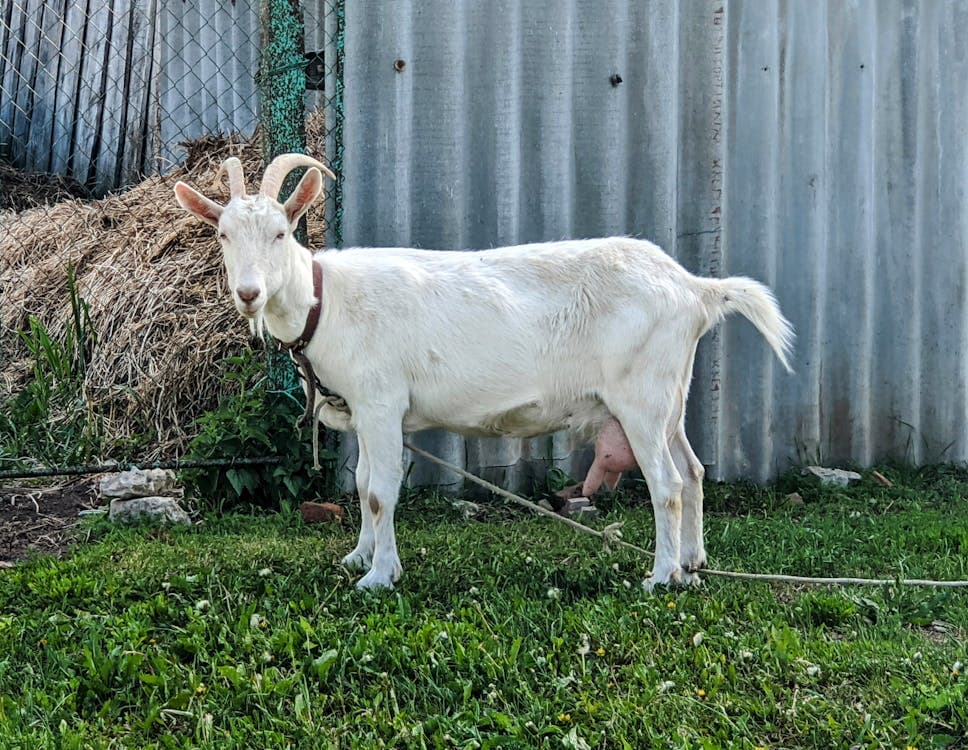
The best electric fence charger for goats is a low-impedance energizer with more output joules than your fence strictly needs—an AC plug-in model wherever you have an outlet, and a solar or 12-volt battery unit only where you don't. Goats are insulated by their coats and test fences constantly, so the general guidance is to keep roughly 4,000 volts or more on the line at the farthest point from the charger. A charger that manages that on a weedy day in August is the right one; the cheapest unit on the shelf usually is not.
Key takeaways:
- Choose by output joules and low-impedance design, not by the "miles of fence" number on the box.
- AC plug-in chargers give the most power for the money; solar and battery units trade power for portability.
- Most "weak charger" complaints are really grounding or weed-load problems, so budget for ground rods and a fence voltmeter along with the energizer.
Electric Fence Chargers Compared at a Glance
The three power sources suit different jobs. Treat this table as a starting point, then check each manufacturer's current specifications before you buy.
| Charger type | Power source | Best for | Main trade-offs | Where to look |
|---|---|---|---|---|
| AC plug-in | Standard household outlet | Permanent perimeters, multi-strand high-tensile, weedy fence lines | Needs an outlet and a weather-protected mounting spot | AC low-impedance fence chargers |
| DC battery | Separate 12-volt deep-cycle battery | Remote paddocks, shaded sites, moving between pastures | Battery must be recharged or swapped on a schedule | 12-volt battery fence chargers |
| Solar | Built-in panel and battery | Portable netting, rotational grazing, sites with no power | Lower output for the price; depends on sun exposure | solar electric fence chargers |
If you are still deciding whether electric is the right fence at all, start with our comparison of the best fencing for goats and come back once you know what you are powering.
Why Goats Need a Hotter Fence Than Cattle
A cow has thin hair and a lot of weight pressing its hooves into the soil, so it grounds well and feels a modest fence. A goat is lighter, stands on small hard hooves, and wears a coat that insulates it from the wire. The fence that turns a steer can feel like a tickle to a doe in winter coat.
Goats also probe a fence with their noses, lean on it, and remember which stretch went dead last month, as our article on why goats jump fences explains. The fence has to deliver a memorable shock every time, which is why commonly cited guidance for goats sits around 4,000 volts as a working floor, higher than is usually suggested for cattle.
Voltage alone is not the whole picture. A charger can read high on a clean, short fence and collapse the moment grass touches the bottom wire. That is where joules come in.
Understanding Joules and Low-Impedance Chargers
Output joules vs stored joules
Joules measure the energy in each pulse. Chargers are advertised with two different numbers: stored joules (the energy held inside the unit) and output joules (the energy that actually leaves the terminals). Output is always the smaller figure and the one that matters. When you compare two chargers, make sure you are comparing output to output.
The "miles of fence" rating on most boxes assumes a single clean wire with nothing touching it. No goat fence looks like that, so size by output joules instead.
Why low impedance matters for weed load
Every blade of grass touching a hot wire leaks a little energy to the soil. A low-impedance charger is designed to keep pushing energy down the line under that load instead of letting the voltage sag. Older high-impedance and "weed chopper" style units are less suited to modern polywire and netting, and most fence makers now recommend low-impedance designs for small livestock.
Goat fences carry hot wires only a few inches off the ground, exactly where the weeds are. A low-impedance unit is not a substitute for trimming, but it gives you a margin between mowings. Established brands such as Zareba low-impedance chargers and Gallagher fence energizers state it on the label; if a listing does not say low impedance, assume it is not.
AC vs Battery vs Solar: Which Should You Buy?
AC plug-in chargers
If an outlet is within reach of your fence, buy an AC charger. You get the most output joules per dollar and no battery to maintain. Mount the unit under cover, out of reach of livestock and children, and carry the power to the fence with insulated lead-out cable rated for fence voltage. Patriot fence chargers and the Zareba and Gallagher lines above all include plug-in models in a range of sizes.
DC battery chargers
A DC charger runs from a separate 12-volt deep-cycle battery. It suits a back pasture that is shaded or far from the barn, and usually delivers more output than an all-in-one solar unit at a similar price. The cost is labor: the battery needs swapping or recharging on a routine, and a fence on a flat battery is no fence.
Solar chargers
All-in-one solar units combine panel, battery, and energizer in one case you can carry in one hand. They are the natural partner for portable netting and for anyone following a plan to rotate goat pastures, since the charger moves with the fence. Parmak solar fence chargers are a long-established example of the type.
Be realistic about their limits. Small solar units have modest output and depend on direct sun. Keep the panel clean and facing the midday sun, and size up if your winters are cloudy.
How to Size a Charger for Your Goat Fence
Sizing is where most buyers go wrong, almost always by going too small. Work through these steps.
- Add up your real wire length. Multiply the fence length by the number of hot strands. A five-strand fence around a small pasture carries far more wire than its perimeter suggests.
- Count netting rolls separately. Electric netting has many horizontal strands, with the lowest ones close to the ground, so each roll draws much more than the same length of single wire. Netting manufacturers publish a recommended output per roll. Follow that figure rather than the charger's mileage rating.
- Judge your weed load honestly. A fence line you mow every two weeks is a different job from one that runs through brush.
- Add a generous margin. A widely repeated rule of thumb is about one output joule per mile of fence, more for heavy vegetation, dry soil, or netting. Whatever your arithmetic says, buying the next size up is cheap insurance and leaves room to expand.
Stay within what the manufacturer recommends for your fence type, and use only listed, purpose-built energizers. Never use a homemade or mains-connected device.
Our electric fence for goats guide covers wire spacing for a full build, which helps you total the wire you need to power.
Electric Netting Compatibility
Not every charger suits netting. Before pairing them, check three things:
- Low impedance. Netting makers generally specify low-impedance, pulsed energizers.
- Enough output for your roll count. Two or three rolls joined together need noticeably more than one.
- Positive/negative capability if you need it. Some netting, such as certain Premier 1 electric goat netting, is offered in a pos/neg version for dry or frozen ground, which needs a charger wired accordingly. Read the netting instructions before buying the energizer.
Never leave netting standing while switched off. Goats, kids in particular, push into dead netting and can become entangled.
Accessories That Decide Whether the Charger Works
A good energizer on a poor installation performs like a bad energizer. Budget for these at the same time.
Grounding
The ground system is half the circuit. Use multiple galvanized ground rods—three is the usual minimum, spaced about ten feet apart and joined with a continuous wire and proper clamps—and add more for larger chargers or dry, sandy, or rocky soil. Keep the fence ground well away from your home's utility ground and buried lines, at the distance given in your charger's manual.
Fence tester or voltmeter
You cannot manage what you cannot measure. A digital fence voltmeter shows the actual reading, where a simple neon tester only shows that something is there. Test at the far end of the fence, and check the ground rods too. Our electric goat fencing setup guide explains how to read the results and track down a short.
Insulators and gate handles
Use insulators made for your post type and replace any that are cracked; one failed insulator on a steel T-post can drain a whole fence. At gateways, insulated electric fence gate handles let you open the line without touching a live wire. Run the power under the gate in insulated cable so the fence beyond stays hot.
Lightning protection
A nearby lightning strike can destroy a charger. An electric fence lightning diverter, installed with its own ground as the instructions describe, gives a surge somewhere else to go. Neither it nor a surge protector is a guarantee, so disconnecting the charger before a severe storm is still the safest habit when practical.
Common Charger Mistakes to Avoid
- Buying by the mileage rating. Compare output joules and confirm the unit is low impedance.
- Skimping on ground rods. One short rod next to the barn is the classic cause of a fence that works in spring and fails in a dry summer.
- Running two chargers on one fence. Never connect more than one energizer to the same fence. The pulses can overlap, and that is a real safety hazard.
- Electrifying barbed wire. An animal or person caught on barbs cannot pull away from the shock. Use smooth wire, polywire, or netting.
- Using household wire for lead-outs. It is not insulated for fence voltage and will leak or arc.
- Forgetting people. Post warning signs where the fence borders a road or path, mount the charger where children cannot reach it, and switch it off before you work on the line.
If you are unsure about any mains-side wiring, hire a licensed electrician.
Frequently Asked Questions
How many joules do I need for a goat fence?
It depends on total wire length, the number of netting rolls, and how much vegetation touches the fence. A common rule of thumb is around one output joule per mile of fence, with extra for weeds, dry ground, and netting. Check the netting or wire manufacturer's recommendation, then buy one size above it.
Is a solar fence charger strong enough for goats?
It can be, for short runs and a few rolls of netting in a sunny spot with the grass kept down. Solar units generally offer less output for the price than AC chargers, so they are best for portable and remote fences. If voltage at the far end drops below about 4,000 volts, you need a bigger unit or less weed load.
Final Thoughts
Choosing a charger comes down to three decisions: where the power comes from, how many output joules your wire and weed load demand, and whether the unit is low impedance. Pick AC when you can, solar or battery when you must, and size generously either way. Then spend a little more on ground rods, a digital voltmeter, sound insulators, and lightning protection, because those are what keep the far corner of the pasture above 4,000 volts.
About Elma K. Johnson
Elma K. Johnson is the pen name used by the Carefree Goats editorial team. Our guides are general educational information for goat keepers, not veterinary advice. Read how we research and write our articles.
Related Articles
Goat Housing Requirements: Essential Features Every Barn Needs
A practical checklist of goat housing requirements: dry draft-free shelter, space, ventilation, feeders, water, fencing, and predator protection. Plan it right.