Best Treats for Goats: Safe Store-Bought & Natural Options
The best treats for goats, from apples and carrots to store-bought goat treats, sunflower seeds, and lick tubs. Learn how much is safe and what to avoid.

Elma K. Johnson
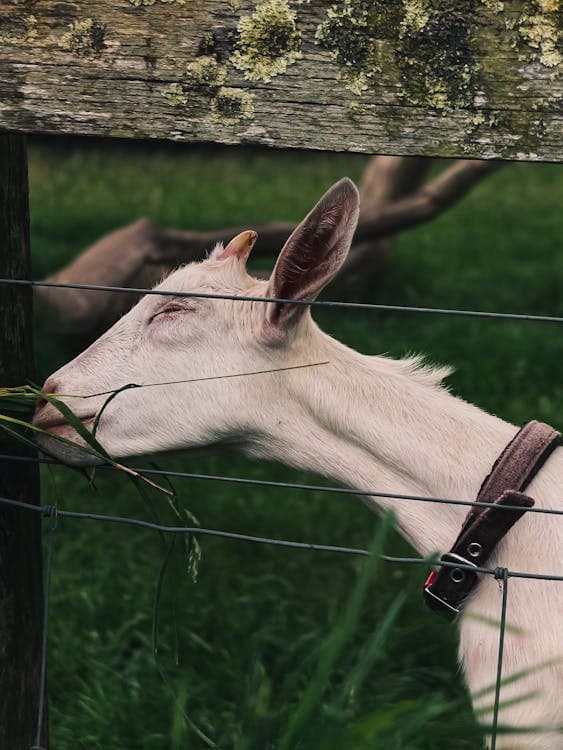
The best treats for goats are small portions of fresh fruits and vegetables such as apples, carrots, pumpkin, and bananas, along with a few proven store-bought options: commercial goat treats, alfalfa pellets, and black oil sunflower seeds. Whatever you choose, treats should stay under roughly 10% of the daily diet, with good hay, browse, clean water, and a loose goat mineral doing the real nutritional work.
Goats are enthusiastic about snacks, and that enthusiasm is useful. Treats make hoof trims easier, bring a herd running at dusk, and help a shy new goat decide you are worth knowing. The risk is that a goat's rumen is built for fibrous forage, not sugar and starch, so the wrong treat or the right treat in the wrong amount can cause real trouble.
Key takeaways:
- Fresh produce in bite-size pieces is the healthiest everyday treat; store-bought treats are convenient for training and travel.
- Follow the 10% rule: treats are a supplement to a forage-based diet, never a replacement for hay.
- Introduce any new treat slowly, and be especially cautious with grain-based treats for wethers and bucks.
Goat Treats Compared at a Glance
| Treat | Type | Best use | Watch out for |
|---|---|---|---|
| Apples, carrots, pumpkin | Natural | Everyday snacks | Cut into small pieces to prevent choking |
| Bananas, berries, watermelon | Natural | Occasional sweet treat | High sugar; keep portions small |
| Commercial goat treats | Store-bought | Training, catching, bonding | Follow the label feeding rate |
| Alfalfa pellets | Store-bought | Low-sugar reward, milk stand snack | Calcium-rich; balance for wethers |
| Black oil sunflower seeds | Store-bought | Coat condition, small top-dress | High fat; a small handful is enough |
| Animal crackers | Store-bought | Rare novelty | Processed starch and sugar |
| Mineral or protein lick tubs | Store-bought | Supplement, not a snack | Must be labeled for goats |
Healthy Natural Treats for Goats
Fresh produce is inexpensive, easy to portion, and close to what goats nibble by choice. Wash it, remove pits and large seeds, and cut it into pieces small enough that a greedy goat cannot choke.
Fruits
- Apples: the classic goat treat. Slice them and discard the core and seeds.
- Bananas: soft, sweet, and easy for older goats with worn teeth. A few slices are plenty.
- Watermelon: a hydrating summer favorite when cut into manageable chunks.
- Strawberries and blueberries: naturally bite-size, which makes them handy for hand feeding.
Fruit is high in sugar, so treat it as dessert rather than a food group.
Vegetables
- Carrots: crunchy and widely loved. Cut them into sticks or coins rather than feeding whole.
- Pumpkin: a seasonal treat that keeps goats busy; split it open so the whole herd gets a turn.
- Celery: low in sugar and good for goats that need to watch their weight. Chop it to shorten the strings.
Free treats from the yard
Some of the best goat treats cost nothing. Goats are browsers, and a branch of safe leafy browse or a handful of dandelions is closer to their natural diet than anything in a bag. Only offer plants you can identify with certainty, from areas that have not been sprayed.
The Best Store-Bought Goat Treats
Packaged treats do not spoil in your pocket, come in uniform sizes, and make it easy to reward one goat without a wrestling match. These are the main types worth knowing.
Commercial goat treats
Purpose-made goat treats are formulated for goats and usually come as small baked nuggets or pellets, often in flavors like licorice or apple. Their main advantage is that the manufacturer prints a feeding rate on the bag, which removes the guesswork. Manna Pro goat treats are among the most widely available. Whichever brand you buy, confirm it is labeled for goats; feeds and supplements made for other species can have mineral levels that do not suit goats.
Alfalfa pellets
If you want a reward that behaves more like forage than candy, alfalfa pellets are hard to beat. They are fibrous, low in sugar, and most goats take them eagerly. Many dairy keepers use them on the milk stand. Alfalfa is rich in calcium and protein, so think of it as part of the overall ration rather than a free extra. Our article on whether goats can eat alfalfa explains where it fits.
Black oil sunflower seeds
Black oil sunflower seeds, often shortened to BOSS, are a long-standing favorite among goat keepers, who commonly feed them shell and all as a small top-dressing for coat condition. They are high in fat, so a small handful per goat is enough. Buy plain seeds with no salt or flavoring. More detail is in our guide to sunflower seeds for goats.
Animal crackers, in moderation
Plain animal crackers are a traditional barnyard bribe, and a couple will not hurt a healthy adult goat. They are still processed flour and sugar, so keep them as a rare novelty of two or three crackers, not a daily habit. Skip frosted or chocolate-coated versions entirely. The same caution applies to bread and other baked goods.
Mineral and protein lick tubs
A goat mineral or protein lick tub sits somewhere between a treat and a supplement. Goats enjoy them, often because they are molasses-based, and they can help fill nutritional gaps on poor pasture. They are not a substitute for a quality loose mineral, and they must be labeled for goats: goats need more copper than sheep, so sheep products fall short, while tubs made for other livestock may not be balanced for goats either. Watch consumption, since some goats overindulge. Read our guide to goat minerals and supplements before adding one.
How Many Treats Are Safe? The 10% Rule
A practical guideline used across livestock and pet nutrition is that treats should make up no more than about 10% of what an animal eats in a day. For goats it is wise to stay well under that, because the bulk of the diet needs to be long-stem fiber that keeps the rumen working.
In everyday terms:
- Standard-size adult goat: a small handful of chopped produce or packaged treats per day.
- Miniature breeds and kids on solid feed: about half that.
- Any new treat: start with a piece or two and build up over several days so rumen microbes can adjust.
Sudden large amounts of sugary or starchy food can upset the rumen and contribute to diarrhea, acidosis, or bloat. If a goat breaks into the treat bin or feed room, treat it as urgent and call your veterinarian; our guide on how to prevent bloat in goats explains the warning signs.
Take extra care with wethers and bucks. Diets heavy in grain and unbalanced in calcium and phosphorus are associated with urinary calculi, a painful and potentially fatal blockage. For these goats, favor fresh vegetables and browse over grain-based treats and ask your vet about an appropriate ration.
Treats should fit into a sound overall plan, so if you are still building one, start with our feeding goats guide and our roundup of the best feed for goats.
Treats to Avoid
Goats have a reputation for eating anything, but several common foods and plants are dangerous.
- Chocolate and anything containing caffeine.
- Avocado, including the skin, pit, and leaves.
- Wilted leaves and pits from cherries, plums, and other stone fruits.
- Ornamental shrubs such as azalea, rhododendron, oleander, and yew, which can be deadly in small amounts. Never toss hedge trimmings into the pen.
- Moldy or spoiled food of any kind, including old bread and fermenting fruit.
- Dog and cat food and other feeds containing animal protein.
- Large amounts of anything sugary, salty, or heavily processed.
For the full list, including pasture weeds and garden plants, see our guide to toxic plants for goats. If you suspect a goat has eaten something poisonous, contact a veterinarian immediately rather than waiting for symptoms.
The Best Treats for Training Goats
Goats are intelligent and food-motivated, which makes them good candidates for reward-based training. The ideal training treat is tiny, quick to chew, not messy, and valuable enough to hold attention. Good choices include:
- single commercial treat nuggets, broken in half for small breeds
- a few alfalfa pellets or sunflower seeds
- small carrot coins or chopped apple
Because a training session can involve dozens of rewards, keep each one small and subtract the session from the day's treat allowance. A belt-mounted treat pouch keeps rewards within reach and your pockets intact, and many keepers pair treats with a training clicker to mark the exact behavior they want. For step-by-step methods, see our goat training guide.
One caution: feed treats from a flat palm or a small dish, and do not reward pushing, pawing, or jumping up. A goat that learns mugging works will keep doing it at full adult size.
Treat Balls and Slow Feeders
Scattering treats makes them last a few seconds. Making goats work for them turns the same portion into enrichment, which is valuable for goats in smaller pens or during winter confinement.
- Treat balls. A sturdy livestock treat ball releases a pellet or two as goats nose it around. Choose one built for horses or livestock rather than a dog toy, check that horns and hooves cannot get stuck, and remove it once it cracks.
- Hanging hay and treat feeders. A hanging slow feeder for goats stuffed with hay and a few vegetable pieces encourages natural browsing posture. Avoid large-mesh nets with horned goats, which can become entangled.
Supervise any new feeder at first, and consider adding it to a larger enrichment setup like the ones in our guide on how to build a goat playground.
Frequently Asked Questions
What is a goat's favorite treat?
It varies by goat, but apples, carrots, bananas, commercial goat treats, and black oil sunflower seeds are consistently popular. Goats can be surprisingly picky, and many refuse food that has touched the ground, so offer a small amount of something new before buying in bulk.
Can goats have treats every day?
Yes, as long as the total stays small, within the 10% guideline, and the rest of the diet is balanced. A daily handful of chopped vegetables or a few alfalfa pellets at evening check-in is a reasonable routine for healthy adult goats.
Can baby goats have treats?
Young kids should be on milk, with hay and starter feed introduced gradually. Once a kid is eating solid feed well, tiny pieces of soft produce can be offered occasionally. Go slowly, and ask your veterinarian if a kid develops loose stool.
Final Thoughts
The best treats for goats are simple: small pieces of fresh fruit and vegetables for everyday snacking, a bag of commercial goat treats or alfalfa pellets for training, and a small handful of black oil sunflower seeds for variety. Keep treats under about 10% of the diet, introduce new foods gradually, and steer clear of chocolate, avocado, ornamental shrubs, and anything moldy. When in doubt about a specific food or a goat with health issues, check with your veterinarian first.
About Elma K. Johnson
Elma K. Johnson is the pen name used by the Carefree Goats editorial team. Our guides are general educational information for goat keepers, not veterinary advice. Read how we research and write our articles.
Related Articles
How to Pasteurize Goat Milk at Home: Safe Methods Explained
Learn how to pasteurize goat milk at home with two proven methods, exact temperatures and times, equipment, fast-cooling steps, and safe storage tips.