Goat Housing Requirements: Essential Features Every Barn Needs
A practical checklist of goat housing requirements: dry draft-free shelter, space, ventilation, feeders, water, fencing, and predator protection. Plan it right.

Dr. Elma K. Johnson
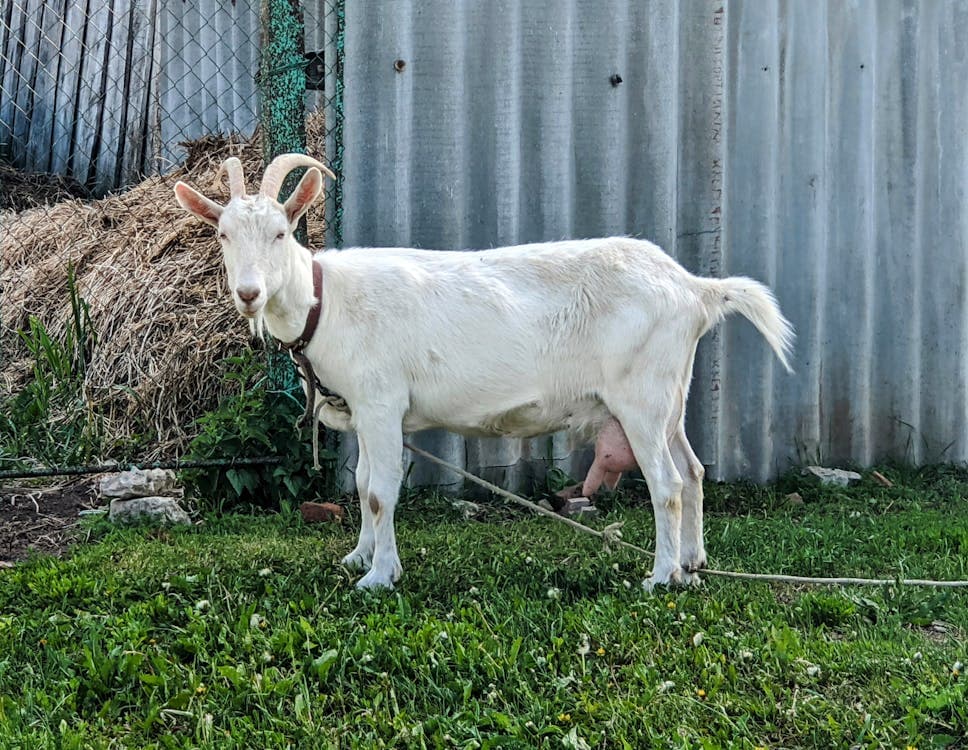
Good goat housing requirements come down to a handful of non-negotiables: a dry, draft-free but well-ventilated shelter; enough floor and outdoor space per animal; clean dry bedding; off-the-ground hay racks and feeders; constant clean water; secure goat-proof fencing; solid predator protection; and a separate area for kidding. Get those right and you prevent most of the respiratory illness, parasite buildup, and escape headaches that plague poorly planned setups.
Key takeaways:
- Aim for roughly 15-20 square feet of indoor shelter and 200-plus square feet of outdoor space per standard goat, with smaller breeds needing less.
- The shelter must stay dry and block drafts at goat level while still ventilating moisture and ammonia out the top.
- Feeders, water, fencing, and predator protection are not optional extras; they are core requirements that protect goat health and keep animals where they belong.
Whether you are building from scratch, repurposing a structure, or buying a property with existing outbuildings, it helps to work from a checklist before you commit money or labor. This guide walks through every must-have feature, explains why it matters, and gives you a quick-reference requirements table to plan around. For full build instructions, our companion guide on how to build a goat barn covers materials and construction in depth.
Goat Housing Requirements at a Glance
Use the table below as your planning checklist. Figures are general guidelines that vary by breed, climate, and herd size; treat them as starting points, not rigid rules.
| Requirement | What "good" looks like | Why it matters |
|---|---|---|
| Indoor shelter space | ~15-20 sq ft per standard goat; less for dwarf breeds | Prevents crowding, bullying, and disease spread |
| Outdoor/exercise space | 200+ sq ft per goat where possible | Supports natural browsing, movement, and herd dynamics |
| Dryness | No standing water, no leaks, dry bedding | Wet conditions drive hoof rot, pneumonia, and parasites |
| Ventilation | Air moves out at the top without a draft at goat level | Clears moisture and ammonia that damage lungs |
| Bedding | Clean, dry straw or shavings, refreshed regularly | Insulates, absorbs urine, reduces ammonia |
| Feeders & hay racks | Raised or keyhole style, off the ground | Cuts hay waste and lowers parasite ingestion |
| Water | Constant, clean, ice-free in winter | Essential for rumen function and milk production |
| Fencing | Secure, goat-proof, 4-5 ft tall | Keeps goats in and predators out |
| Predator protection | Closeable shelter, secure perimeter, optional guardian | Goats are prey animals and need a safe place at night |
| Enrichment | Stable platforms, stumps, climbing structures | Reduces boredom, fence-testing, and stress |
| Kidding area | Separate, draft-free, clean pen | Protects newborn kids and laboring does |
A Dry, Draft-Free, Well-Ventilated Shelter
The single most important feature of any goat housing is that it keeps animals dry. Goats tolerate cold remarkably well when their coats stay dry, but they are vulnerable to chilling and respiratory disease the moment moisture, rain, or wet bedding enters the picture.
At the same time, the shelter must protect against drafts at the level where goats lie down. A persistent cold draft across resting animals contributes to pneumonia, especially in kids and older goats.
Balancing draft-free with ventilation
This is the feature people most often get wrong, because "draft-free" and "well-ventilated" sound contradictory. They are not. The goal is to block air movement low down where goats rest, while letting warm, moist, ammonia-laden air escape high up near the roofline.
- Position openings, vents, or ridge gaps near the top of the structure.
- Keep the lower walls solid where goats lie down.
- Avoid sealing a barn airtight in winter; trapped moisture and ammonia do more harm than cold air.
A simple, well-oriented three-sided goat shelter often ventilates beautifully on its own, because the open face can be turned away from prevailing wind while still allowing constant airflow. For enclosed barns, plan vents deliberately rather than relying on gaps you happen to have.
Choosing the structure type
Your climate and budget drive this decision. A run-in shed or three-sided shelter suits mild and moderate climates and many small herds. A fully enclosed barn makes sense in harsh winters, for dairy operations needing a milking area, or where predators are a serious threat. If you are building on a budget or want a starting point, our DIY goat shelter plans offer practical layouts you can adapt.
Adequate Space, Indoors and Out
Crowding is one of the fastest ways to make a healthy herd sick. Tight quarters increase aggression, spread parasites and disease, and make it hard to keep bedding clean.
As a general planning figure, allow roughly 15-20 square feet of indoor shelter space per standard-sized goat, and considerably less for dwarf breeds such as Nigerian Dwarves or Pygmies. For outdoor space, more is always better; aim for 200 or more square feet per goat where your land allows, recognizing that goats browse and roam far more than they graze.
Remember that goats are intensely social herd animals. You should plan housing for at least two goats from the start; a single goat kept alone is a stressed goat. If you want a deeper breakdown of stocking, our guide on space planning pairs well with this checklist.
Clean, Dry Bedding
Bedding is part comfort, part insulation, part sanitation. Clean, dry straw or wood shavings give goats a warm place to lie down, absorb urine, and keep ammonia levels manageable.
- Refresh soiled spots regularly and do a full clean-out on a schedule that suits your climate and herd size.
- In cold climates, many keepers use the "deep litter" method through winter, adding fresh bedding on top so the composting layer below generates gentle warmth; this still requires good ventilation to clear ammonia.
- Watch for that sharp ammonia smell at nose height. If you can smell it strongly, your goats are breathing it, and ventilation or cleaning needs attention.
Dry bedding also matters for hoof health. Goats standing on constantly wet or muddy footing are far more prone to hoof rot and scald.
Smart Feeders and Hay Racks
Goats are notoriously wasteful eaters and instinctively reluctant to eat forage that has touched the ground, partly because that is how they avoid ingesting parasite larvae. Good feeders work with that instinct rather than against it.
Reduce waste and parasites
- Use raised hay racks or keyhole feeders that keep hay off the floor and limit how much goats can pull out and trample.
- Keyhole and slatted designs let goats reach in to pull hay but discourage them from climbing in, soiling it, or dragging it out.
- Position feeders so droppings and urine cannot easily fall into the feed.
Keeping forage off the ground does double duty: it dramatically cuts the hay you lose to waste, and it lowers the parasite load goats pick up while eating. For more on minimizing internal parasites, see our guide on how to identify goat parasites.
Mineral and grain feeding
Plan a clean, dry spot for free-choice loose minerals, kept out of the weather so they do not cake. Goats have specific mineral needs, especially for copper and selenium in many regions, and a covered mineral feeder is part of a complete housing setup. Our overview of goat minerals and supplements explains what to offer.
Constant, Clean Water
Water is easy to overlook on a features list, yet it is fundamental. Goats need constant access to clean, fresh water for healthy rumen function, digestion, and milk production. A doe in milk can drink a surprising amount on a hot day.
- Site waterers where they stay clean and are easy for you to refill and scrub.
- In winter, plan for freeze prevention, whether that is a heated bucket, a tank de-icer, or simply breaking ice and refreshing water several times a day.
- Keep water separate enough from hay and bedding that it does not get fouled constantly.
Dirty or frozen water reduces intake, and reduced intake quietly undermines health and production. Our detailed guide on goat water requirements covers daily needs and winter strategies.
Secure, Goat-Proof Fencing
If shelter is the first requirement, fencing is a close second, because a goat that gets out is a goat at risk from traffic, predators, toxic plants, and your neighbor's garden. Goats are famous escape artists; they will test, lean on, climb, and squeeze through anything that gives them an opening.
Fencing that actually holds goats
- Aim for fencing at least 4 to 5 feet tall, taller for agile or jumpy individuals.
- Make sure gaps are small enough that a goat cannot push its head and shoulders through; horned goats getting stuck is a real hazard.
- Keep the bottom secure to the ground so goats cannot wriggle underneath.
Woven wire goat fencing is a popular, reliable choice because it resists climbing and bending when properly tensioned and supported. Many keepers add a strand of electric wire at goat shoulder height to discourage leaning and rubbing, which is what eventually loosens a lot of fences.
If you are wondering why your current fence is not working, our piece on why goats jump fences explains the behavior and how to address it.
Predator Protection
Goats are prey animals with few natural defenses, and predators range from dogs and coyotes to larger wildlife depending on your region. Predator protection is therefore a core housing requirement, not an afterthought.
- Provide a shelter goats can be closed into at night, or at minimum a secure, well-fenced area.
- Secure the perimeter; many predators dig under or push through weak points, so check the fence line where it meets the ground.
- Consider a livestock guardian animal such as a guardian dog, donkey, or llama if predator pressure is significant in your area.
A combination of a closeable structure, a strong perimeter, and good nighttime habits prevents the great majority of losses.
Enrichment and Climbing Structures
Goats are curious, athletic, and easily bored. Boredom shows up as fence-testing, escaping, bullying, and stress, so enrichment is genuinely part of good housing design rather than a luxury.
- Add stable platforms, large stumps, sturdy spools, or rock piles for climbing and lounging.
- Keep climbing structures a safe distance from fences; a platform placed too close becomes a launch pad over the fence.
- Vary the layout occasionally to keep things interesting.
Climbing also supports hoof wear and physical condition. Animals that move and climb tend to stay fitter and calmer.
A Separate Kidding Area
If you plan to breed, a dedicated kidding area belongs on your requirements list. A pregnant doe nearing labor benefits from a clean, quiet, draft-free pen, often called a kidding stall or jug, where she can deliver and bond with her kids away from the rest of the herd.
- Keep it especially clean and well-bedded, since newborn kids are vulnerable to chilling and infection.
- Make sure it is draft-free at floor level but still ventilated.
- Site it where you can easily check on the doe, day or night, during the kidding window.
Even a temporary, well-bedded panel pen inside the main shelter works. The point is separation, cleanliness, and calm. Our goat kidding guide walks through what to prepare and what to watch for.
Frequently Asked Questions
How much space does a goat need in a shelter?
As a general guideline, allow about 15 to 20 square feet of indoor shelter space per standard-sized goat, and less for dwarf breeds. Outdoors, aim for 200 or more square feet per goat where your land allows. These are planning figures; the right number varies with breed, climate, and how much time goats spend inside.
Do goats need a fully enclosed barn or is a three-sided shelter enough?
It depends on your climate and goals. In mild to moderate climates, a well-sited three-sided shelter that blocks wind and rain is often plenty. A fully enclosed barn makes more sense in harsh winters, for dairy goats needing a clean milking space, or where predator pressure is high.
How do I keep goat housing ventilated without making it drafty?
Block air movement low down, where goats lie, and let warm, moist air escape high up near the roofline through ridge gaps or upper vents. Keep lower walls solid and place openings near the top. Never seal a barn airtight in winter; trapped moisture and ammonia harm goats' lungs more than fresh, cool air does.
What kind of fencing keeps goats contained?
Use sturdy fencing at least 4 to 5 feet tall with gaps small enough that a goat cannot push through. Woven wire is a reliable choice, often paired with a strand of electric wire at shoulder height to stop leaning and climbing. Keep the bottom secured to the ground so goats cannot crawl under.
How can I reduce hay waste in goat housing?
Feed hay from raised racks or keyhole feeders that keep it off the ground and limit how much goats can pull out and trample. This works with goats' natural reluctance to eat soiled forage, cuts waste significantly, and reduces the parasite load they pick up while eating.
Final Thoughts
Strong goat housing is really a set of overlapping systems: a dry, ventilated shelter; enough space; clean bedding; smart feeders and reliable water; goat-proof fencing; predator protection; enrichment; and a calm kidding area. None of these features is exotic or expensive on its own, but skipping any one of them tends to create the very problems, illness, escapes, waste, and stress, that good housing is meant to prevent.
Use the requirements table as your planning checklist before you build or buy. Start with shelter and fencing, layer in feeding, water, and enrichment, and your herd will reward you with better health and far fewer surprises. As always, when health questions arise, work with a veterinarian who knows goats in your area.

About Dr. Elma K. Johnson
Expert farmers and veterinarians with over 20 years of experience in goat farming and animal husbandry.
Related Articles
Best Bedding for Goats: Straw, Shavings, and Deep Litter
Compare the best bedding for goats—straw, pine shavings, hemp, sand, and deep litter—for cost, absorbency, comfort, and ammonia control. Practical picks inside.