Best Bedding for Goats: Straw, Shavings, and Deep Litter
Compare the best bedding for goats—straw, pine shavings, hemp, sand, and deep litter—for cost, absorbency, comfort, and ammonia control. Practical picks inside.

Dr. Elma K. Johnson
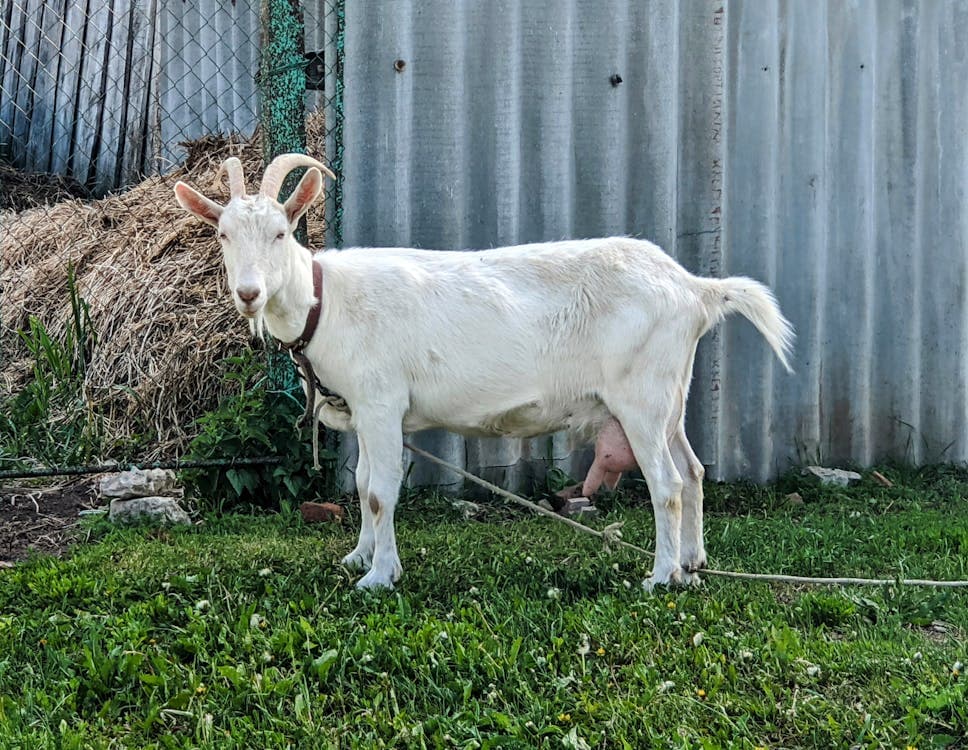
The best bedding for goats for most keepers is clean wheat or oat straw or kiln-dried pine shavings, because both are absorbent, comfortable, and affordable. For low-maintenance winter warmth, the deep litter method—layering fresh bedding over packed material so it composts and releases gentle heat—is hard to beat. Avoid cedar shavings, sawdust-fine material, and anything moldy or chemically treated.
Key takeaways:
- Straw insulates and is cheap; shavings absorb more moisture and control odor better.
- The deep litter method saves labor and adds winter warmth but needs a dry base and good airflow.
- The right pick depends on your climate, budget, and how often you can muck out.
What Makes a Good Goat Bedding
Goats are clean, dry-loving animals, and the right bedding does four jobs at once: it absorbs moisture, controls ammonia and odor, cushions joints when they lie down, and helps hold body heat in cold weather. A poor choice leads to damp pens, ammonia buildup, and respiratory or hoof problems.
When you compare options, judge each one on these factors:
- Absorbency – how much urine and moisture it soaks up before it stays wet.
- Ammonia and moisture control – how well it keeps the air breathable and the floor dry.
- Comfort – whether it gives a soft, dry place to lie down and rest.
- Cost and availability – the price in your region and how easy it is to source.
- Cleanup labor – how often you need to muck out and how easy it is to handle.
No single material wins on every count, so most keepers match the bedding to their setup and season. Housing matters too—if you are still planning your structure, our guides to building a goat barn and the simpler three-sided goat shelter cover the floor and drainage decisions that make any bedding work better.
Goat Bedding Comparison Table
Here is a side-by-side look at the most common bedding options. Costs are general ranges that vary widely by region, season, and supplier.
| Bedding | Absorbency | Ammonia/Moisture Control | Comfort | Relative Cost | Cleanup Labor | Best For |
|---|---|---|---|---|---|---|
| Wheat/oat straw | Moderate | Moderate | High (warm, lofty) | Low | Moderate | Cold climates, kidding, deep litter base |
| Pine shavings (kiln-dried) | High | Good | Good | Low–moderate | Easy | Year-round, odor control, milking areas |
| Hemp bedding | Very high | Very good | Good | High | Easy (low volume) | Low-airflow barns, allergy-prone herds |
| Sand | Low (drains, not absorbs) | Good if drained | Moderate (firm) | Moderate | Moderate (sift) | Warm, wet climates; hoof health |
| Deep litter (built-up) | Builds over time | Good if managed | High (insulating) | Low ongoing | Low daily, heavy 1–2x/year | Winter warmth, low daily labor |
Straw: The Classic Insulating Bedding
Straw—usually wheat, oat, or barley—is the traditional goat bedding, and for good reason. Its hollow, lofty stems trap air, making it the warmest option and a favorite for cold-weather pens and kidding stalls.
Pros: Inexpensive and widely available, excellent insulation, comfortable nesting material, and a good base layer for deep litter.
Cons: It absorbs less moisture than shavings, so urine can pool underneath if you do not add enough. It packs flat over time, and dusty or moldy bales are a real risk.
Always buy bright, dry, sweet-smelling straw and store it off the ground under cover. Straw shines in winter—pair it with the strategies in our guide to preparing goats for winter.
Pine Shavings: High Absorbency and Odor Control
Kiln-dried pine shavings are the other go-to bedding and often the easiest to manage day to day. They soak up far more moisture than straw and do a better job keeping ammonia down, which keeps the air cleaner for sensitive goat lungs.
Pros: Very absorbent, good odor control, easy to scoop soiled spots, and pleasant to handle.
Cons: Less insulating than straw, so in deep cold many keepers layer shavings under straw. Fine, dusty shavings can irritate airways, so choose a coarse, low-dust grade.
A practical hybrid many keepers use is shavings on the bottom for absorbency with a fluffy straw layer on top for warmth and comfort.
A Note on Cedar Shavings
Avoid cedar shavings for goats. Cedar contains aromatic oils (phenols) that give off strong fumes and can irritate the respiratory tract, especially in confined or poorly ventilated spaces and around kids. Stick with pine, and make sure it is kiln-dried softwood sold for animal bedding—not construction or landscaping mulch.
Hemp Bedding: Premium Absorbency
Hemp bedding, made from the chopped woody core of the hemp stalk, has become popular for its very high absorbency—it typically holds far more liquid than straw or shavings by weight. That means less material, less odor, and less volume to haul out.
Pros: Outstanding absorbency and ammonia control, low dust (good for allergy-prone goats and people), compact storage, and it composts well.
Cons: It is usually the most expensive option and is not stocked in every feed store, so availability and price are the main hurdles. It is a strong fit for tighter, lower-airflow barns where keeping ammonia down is a daily battle.
Sand: Drainage Over Absorbency
Sand works differently from the others: instead of soaking up moisture, it lets liquid drain through and dry quickly. In warm, wet climates it can keep a pen surprisingly dry and is gentle on hooves.
Pros: Drains well, does not rot, stays cool in summer, and can support hoof health on a firm surface.
Cons: It offers little insulation, so it is a poor cold-weather choice. It feels firm rather than soft, can be tracked into feed and water, and soiled spots need regular sifting. Fine sand can also be ingested with dropped feed, so always feed off the ground.
Sand suits hot regions and summer setups far more than freezing ones—see our companion guide on caring for goats in summer for hot-weather housing tips.
The Deep Litter Method Explained
The deep litter method is a low-labor, build-up bedding system. Instead of stripping the pen each time, you start with a clean, dry floor, lay down a thick base, and then add a fresh layer on top of the soiled material every few days—rather than removing it.
Over weeks, the lower layers begin to compost. This slow microbial breakdown generates gentle heat, which is why deep litter is prized for winter—it acts like a warm, self-renewing mattress beneath the herd.
How to Set Up Deep Litter
- Start clean and dry. Sweep the floor and make sure drainage is good. A damp base will rot instead of composting properly.
- Lay a thick base. Put down 4–6 inches of bedding to start—straw, pine shavings, or a mix work well, with straw favored for warmth.
- Top, don't strip. Every few days, fork out the wettest surface clumps around feeders and waterers, then sprinkle fresh bedding over the top to keep a dry surface.
- Let it build. Through the cold months the pack deepens and warms. By late winter it can be a foot or more deep.
How Often to Clean
Deep litter trades daily mucking for a big seasonal cleanout. You still spot-clean the wettest areas and add fresh bedding regularly, but the full strip-out usually happens once or twice a year—most commonly in spring. If you ever smell ammonia, see flies building up, or the pack feels wet rather than warm and earthy, clean it out sooner; those are signs the system is failing.
The composted material you remove makes excellent garden fertilizer after it finishes breaking down.
Ventilation Is Non-Negotiable
Because deep litter holds moisture and produces ammonia as it breaks down, airflow is essential. The goal is a draft-free shelter that still exchanges air near the roofline. Good ventilation lets ammonia escape while keeping cold drafts off the goats. If you are heating the space, our guide to heating goat shelters in winter explains how to add warmth safely without sealing the barn airtight.
What to Avoid in Goat Bedding
Some materials cause more harm than good. Steer clear of:
- Cedar and other aromatic woods – the oils can irritate goat airways.
- Moldy or dusty straw or hay – mold spores and dust trigger respiratory problems and can cause illness.
- Treated, painted, or chemically processed wood – sawdust or shavings from these can be toxic.
- Very fine sawdust – it is dusty, packs into a wet mat, and can be inhaled.
- Hay as primary bedding – it is expensive, less absorbent than dedicated bedding, and goats will eat soiled hay, which is unhealthy.
When in doubt about a material's safety, ask your local cooperative extension office or your veterinarian.
Frequently Asked Questions
What is the best bedding for goats in winter?
Straw is the warmest choice because its hollow stems trap air and insulate well. For the lowest-labor winter warmth, the deep litter method—building up straw or a straw-over-shavings mix—generates gentle composting heat. Pair either with a draft-free but well-ventilated shelter.
How often should you change goat bedding?
It depends on the system. With straw or shavings, spot-clean soiled areas every day or two and do a full strip-out roughly weekly to every couple of weeks, depending on herd size and pen space. With deep litter you add fresh bedding on top regularly and do a full cleanout only once or twice a year.
Are pine shavings safe for goats?
Yes—kiln-dried pine shavings are safe and widely used. Choose a coarse, low-dust grade and avoid cedar shavings, whose aromatic oils can irritate goat respiratory systems. Never use shavings from treated, painted, or construction lumber.
Can you use sand as goat bedding?
Yes, especially in warm, wet climates where its drainage keeps pens dry and supports hoof health. It is a poor choice in cold weather because it does not insulate, and you should always feed off the ground so goats do not ingest sand with dropped feed.
Is hay good bedding for goats?
Hay makes poor primary bedding. It is more expensive than dedicated bedding, absorbs less moisture, and goats will eat soiled hay off the floor, which can make them sick. Use straw or shavings for bedding and save hay for feeding.
Final Thoughts
There is no single best bedding for goats—only the best fit for your climate, budget, and routine. Straw wins on warmth and price, pine shavings on absorbency and odor control, hemp on premium performance, and sand on drainage in hot, wet regions. For low daily labor and winter heat, the deep litter method is tough to beat as long as you keep the base dry and the air moving. Match the material to your season and watch your herd: dry, comfortable goats that smell of earth rather than ammonia tell you that you have chosen well.

About Dr. Elma K. Johnson
Expert farmers and veterinarians with over 20 years of experience in goat farming and animal husbandry.
Related Articles
Goat Housing Requirements: Essential Features Every Barn Needs
A practical checklist of goat housing requirements: dry draft-free shelter, space, ventilation, feeders, water, fencing, and predator protection. Plan it right.