Best Fencing for Goats: Woven Wire, Electric & Panels Compared
Compare the best fencing for goats—woven wire, electric, and livestock panels—on cost, durability, and escape-proofing, plus height and spacing tips that work.

Dr. Elma K. Johnson
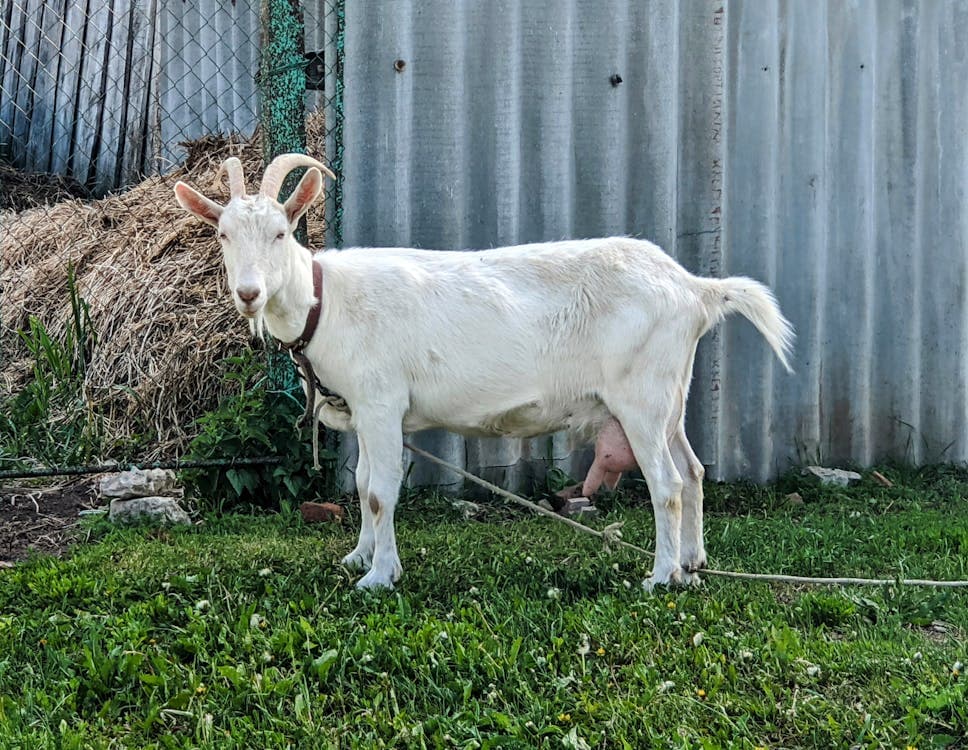
The best fencing for goats is woven wire (field or goat-and-sheep fence) at least 48 inches tall, with electric netting or high-tensile electric as a strong second choice and livestock panels best for small pens and high-traffic areas. No single option wins everywhere—the right answer depends on your acreage, budget, terrain, and whether you keep horned bucks or relentless climbers. Most experienced keepers end up combining two methods rather than relying on one.
Key takeaways:
- Woven wire is the gold standard for permanent perimeters: durable, predator-resistant, and it works even when the power is out.
- Electric (net or multi-strand high-tensile) is the most flexible and lowest-cost-per-foot option for rotational grazing—but it only contains goats that respect the charge.
- Barbed wire and traditional board fencing both fall short for goats and should not be your primary containment.
Goat Fencing Compared at a Glance
Before we dig into each option, here is a side-by-side comparison of the main goat fencing types. Treat the cost figures as general ranges that vary by region, brand, gauge, and year—not as precise quotes.
| Fence type | Effectiveness for goats | Relative cost (per linear ft) | Installation effort | Durability | Best use case |
|---|---|---|---|---|---|
| Woven wire (field / goat-and-sheep) | Excellent—physical barrier, stops climbers and pushers | Moderate to high | High (needs braced corners, stretching) | 15-20+ years | Permanent perimeter fencing |
| Electric netting (poly net) | Good—if goats respect the charge | Low to moderate | Low (portable, fast) | 3-7 years (UV-dependent) | Temporary paddocks, rotational grazing |
| Multi-strand high-tensile electric | Good to very good when wires are spaced correctly | Low to moderate | Moderate (corners + charger) | 20+ years | Large permanent perimeters, cross-fencing |
| Livestock / cattle panels (welded) | Very good for pens; gaps can be an issue for kids | High (per ft) but low labor | Low (no stretching) | 20+ years | Small pens, gates, problem corners, bucks |
| Barbed wire | Poor—goats push through and get injured | Low | Moderate | Long but unsafe for goats | Not recommended for goats |
| Board / wood rail | Poor alone—goats climb and chew | High | High | Variable | Cosmetic or paired with wire/electric |
The rest of this guide explains the "why" behind these ratings and how to choose for your situation.
Why Goats Are Harder to Fence Than Other Livestock
Goats descend from cliff-dwelling ancestors, and that heritage shows up in every fence line you build. They climb, they lean, they paw, and they push their heads through any gap to reach the grass that always looks greener on the other side. A fence that comfortably holds cattle or horses may not even slow a determined goat.
Three behaviors make goats uniquely challenging. First, they climb—a horizontal rail or a slumping wire becomes a ladder. Second, they push and lean their full body weight against fences, which loosens posts and pops welds over time. Third, they test constantly; goats probe a fence for weak spots the way water finds a leak. If you want to understand the mindset you are fighting, our guide on why goats jump fences breaks down the instincts at play.
The practical lesson: choose fencing rated for goats specifically, build it taller and tighter than you think you need, and assume your goats will find any mistake you make.
Woven Wire Fencing: The Gold Standard
Woven wire—sold as field fence, stock fence, or purpose-made "goat-and-sheep" fence—is the most reliable permanent containment for goats. It creates a continuous physical barrier rather than a psychological one, so it keeps working during a power outage, an ice storm, or a knocked-out charger.
Why it works
Woven wire stops the three goat behaviors that defeat other fences. The mesh gives a goat nothing flat to climb, the wrapped (not welded) intersections flex under leaning pressure instead of snapping, and a tight vertical-stay spacing keeps heads and horns from slipping through. For a deeper installation walkthrough—wire gauge, stretching, and bracing—see our dedicated woven wire goat fencing guide.
Spacing and the head-trap problem
The single most important specification is opening size. Standard field fence has openings that widen toward the top (often 6 inches wide), which is plenty of room for a horned goat to push its head through and get stuck. Fence marketed as "goat and sheep" fence uses smaller, more uniform openings—commonly around 4 inches—specifically to prevent this. For horned goats, a roughly 4-inch (or smaller) grid is the safer choice. If you already have wider field fence, running a hot electric offset wire a few inches in front of it at nose height discourages goats from reaching through.
Height
Aim for at least 48 inches of woven wire for standard breeds. Smaller breeds can sometimes be held by 42 inches, but taller is always safer, and for fence-jumping individuals or active bucks, 48-60 inches removes the temptation. Adding a single strand of electric or barbed-substitute wire along the very top further discourages climbers from topping out.
Cost, effort, and durability
Woven wire sits in the middle on material cost but demands real labor: solidly braced corner and end assemblies, line posts every 8-12 feet, and proper stretching so the fence stays taut for years. Done right, it lasts 15-20 years or more. The upfront investment is higher than electric, but the low maintenance and reliability make it the default choice for a permanent perimeter.
Best use case: the outer perimeter of your property and any pasture you want to fence once and forget.
Electric Fencing: The Flexible, Lower-Cost Option
Electric fencing contains goats through a psychological barrier—a memorable shock that teaches them to respect the line. It is the most affordable option per foot of permanent fence and by far the most flexible for moving animals around. The trade-off is that it depends on a working charger, good grounding, and goats that have learned to fear the wire. Our full electric fence for goats article covers chargers, grounding, and training in detail; the summary below covers the two main forms.
Electric netting (poly net)
Prefabricated electric netting is portable fencing on a roll—plastic posts already attached, conductive strands woven throughout. You can set up a fresh paddock in minutes, which makes it ideal for rotational grazing and clearing brush. It is relatively inexpensive and requires almost no construction skill.
The downsides: netting must stay properly charged or goats (and predators) push through it; it should never be used unpowered around horned goats or curious kids, which can become entangled; and the UV-exposed plastic typically lasts only a handful of years before it needs replacing. Keep the grass underneath trimmed, because vegetation shorting the net is the most common reason it stops working.
Multi-strand high-tensile electric
For large permanent perimeters and cross-fencing, multiple strands of high-tensile electric wire on wood or fiberglass posts are durable and economical. The key is spacing: goats exploit gaps, so the bottom wires must be close together—often the lowest wire only 6-8 inches off the ground and several more strands spaced 6-10 inches apart up to about 42-48 inches. Five strands is a common minimum for goats; more is better.
High-tensile wire lasts decades and costs little per foot, but it requires solidly braced corners (the wire is under tension) and a charger sized generously for the total wire length plus a margin for weeds. It will not contain a goat that has never been trained to the fence, so introduce new animals to a hot wire in a controlled setting first.
Best use case: rotational grazing (netting) and large permanent perimeters or interior cross-fencing (high-tensile)—especially where running rigid fence over long distances would be cost-prohibitive.
Livestock and Cattle Panels: Strong Where It Counts
Welded livestock panels—rigid 16-foot steel grids, often called cattle panels, hog panels, or combination panels—are the strongest option foot-for-foot. They do not sag, climb, or stretch, and they install without any wire-stretching equipment: you simply wire or clip them to posts.
Standard cattle panels have large openings near the top that horned goats can stick their heads through, so for goats specifically, look for combination panels (also called sheep-and-goat panels) with closer spacing in the lower section, or hog panels with tighter graduated openings. For pens housing kids, choose panels with small enough mesh that a kid cannot push through or get its head caught.
Panels shine in three situations: small permanent pens and night enclosures, high-traffic or high-pressure spots like gates and feeding areas, and tricky corners where stretching woven wire is awkward. Many keepers build the entire buck pen from panels because bucks lean and push harder than anyone. The main drawback is cost per linear foot—panels are expensive compared with rolled wire—so they make the most sense in concentrated, high-value areas rather than across hundreds of feet of pasture.
Best use case: small pens, kidding and night enclosures, gates, buck housing, and reinforcing problem spots.
What to Avoid: Barbed Wire and Board Fencing
Two common farm fences are genuinely poor choices for goats.
Barbed wire does not contain goats and frequently injures them. Goats push between the strands rather than respecting the barbs, and a horned or tangled goat can suffer serious cuts or get trapped. Wide strand spacing also leaves openings goats simply walk through. Reserve barbed wire for cattle, not goats.
Board or wood-rail fencing fails on two fronts. The horizontal rails become a ladder—goats climb right up and over—and goats chew wood relentlessly, destroying rails and risking splinters or ingested debris. Wood fencing also costs more and demands more maintenance than wire. If you want the look of a board fence, back it with woven wire or run a hot electric offset wire along the inside face to stop climbing and chewing.
Height, Spacing, and Combining Methods
A few practical rules pull the options together.
Height guidelines
- Standard breeds: 48 inches minimum.
- Smaller breeds (Nigerian Dwarf, Pygmy): 42-48 inches can work, but 48 is safer.
- Jumpers, bucks, and breeding-season animals: 48-60 inches, ideally with a hot top wire.
A single offset electric strand a few inches above a woven-wire fence is one of the cheapest, most effective upgrades for a chronic jumper.
Spacing guidelines
- Woven wire: roughly 4-inch openings for horned goats; tighter at the bottom matters most.
- High-tensile electric: bottom wire 6-8 inches off the ground; subsequent strands 6-10 inches apart; five strands or more.
- Line posts: every 8-12 feet for wire; braced corner and end assemblies are non-negotiable because goats lean.
Combining methods is normal—and smart
The most resilient setups layer two approaches. Common, proven combinations include:
- Woven wire perimeter + interior electric netting for rotational grazing within a secure boundary. This is the workhorse layout for many small farms.
- Woven wire + a hot offset wire at nose and/or top height to stop reaching-through and climbing without rebuilding the fence.
- Panels at the gates, pens, and corners + woven wire or high-tensile across the open runs, putting the expensive, indestructible material only where pressure is highest.
Don't forget terrain
Sloped and uneven ground changes everything—wire wants to bridge low spots and leave gaps a goat will exploit, and rigid panels don't follow contours. If your land isn't flat, read our guide on how to build a goat fence on a slope before you buy materials, because the layout decisions happen before the first post goes in.
How to Choose the Right Fence for Your Situation
Match the fence to the job rather than searching for one universal answer:
- Small acreage, pet or hobby goats, want it permanent: woven wire perimeter, 48 inches, with goat-spacing openings.
- Rotational grazing or brush clearing: electric netting inside a secure perimeter; move it as needed.
- Large pasture, long perimeters, budget-conscious: multi-strand high-tensile electric with closely spaced lower wires.
- Bucks, persistent escape artists, or kidding pens: combination panels for the high-pressure areas.
- Predator pressure (dogs, coyotes): favor woven wire or panels, which present a solid barrier, and consider adding a hot wire low and high.
Good fencing is also part of a calm, well-managed herd. Goats that are content, well-fed, and not crowded test fences less; sudden changes—like introducing new goats to the herd—are exactly when you'll discover any weak spots, so check your lines before adding animals.
Frequently Asked Questions
What is the cheapest fence that will actually hold goats?
Electric netting usually has the lowest upfront cost and is the fastest to install, making it the cheapest option that genuinely contains goats—provided you keep it powered and the goats are trained to respect it. For a permanent fence, multi-strand high-tensile electric is the lowest cost per foot over large areas. The cheapest reliable barrier, however, is often woven wire over its full 15-20 year lifespan, because it needs little maintenance and no electricity.
How tall should a goat fence be?
For standard breeds, build at least 48 inches tall. Smaller breeds like Nigerian Dwarfs or Pygmies can sometimes be held at 42-48 inches, but taller is always safer. For known jumpers, active bucks, or animals during breeding season, go to 48-60 inches and add a single hot wire along the top to discourage climbing.
Will electric fencing alone keep goats in?
It can, but only after goats have learned to fear the charge and only while the charger, grounding, and wire spacing are all correct. Because electric fencing is a psychological barrier, a dead charger or a heavily weed-shorted line effectively becomes no fence. Many keepers run electric inside a secure woven-wire or panel perimeter so a single failure doesn't mean an escape.
Why is barbed wire a bad choice for goats?
Goats push between barbed-wire strands instead of respecting the barbs, which leads to cuts, torn skin, and entanglement—especially for horned goats. The wide strand spacing also leaves gaps goats walk straight through. Barbed wire is designed for cattle; for goats it is both ineffective and a genuine injury risk.
Can I use regular cattle panels for goats?
You can use them for pens, but standard cattle panels have large upper openings that horned goats can push their heads through and get stuck. For goats, choose combination (sheep-and-goat) panels or hog panels with closer, graduated spacing—particularly the lower section—and make sure the mesh is small enough that kids can't squeeze through or trap their heads.
Final Thoughts
There is no single best fence for every goat operation—there is a best fence for your goats, your land, and your budget. Woven wire remains the most reliable permanent barrier and the safest default for a perimeter; electric netting and high-tensile wire give you flexibility and low cost per foot; and livestock panels deliver unbeatable strength exactly where pressure is highest. Barbed wire and bare board fencing belong on the "avoid" list for goats.
The keepers who rarely chase escapees are usually the ones who combined methods thoughtfully—a solid perimeter, electric where they need to move animals, and panels at the gates and pens. Build it taller and tighter than feels necessary, brace your corners well, and walk your fence line regularly. Your goats will keep testing it; a good fence keeps passing the test.

About Dr. Elma K. Johnson
Expert farmers and veterinarians with over 20 years of experience in goat farming and animal husbandry.
Related Articles
Goat Housing Requirements: Essential Features Every Barn Needs
A practical checklist of goat housing requirements: dry draft-free shelter, space, ventilation, feeders, water, fencing, and predator protection. Plan it right.