Electric Fence for Goats: Setup Guide, Cost, and Best Practices
Learn how to set up an effective electric fence for goats, including energizer selection, wire spacing, grounding tips, and training goats to respect the fence.

Elma K. Johnson
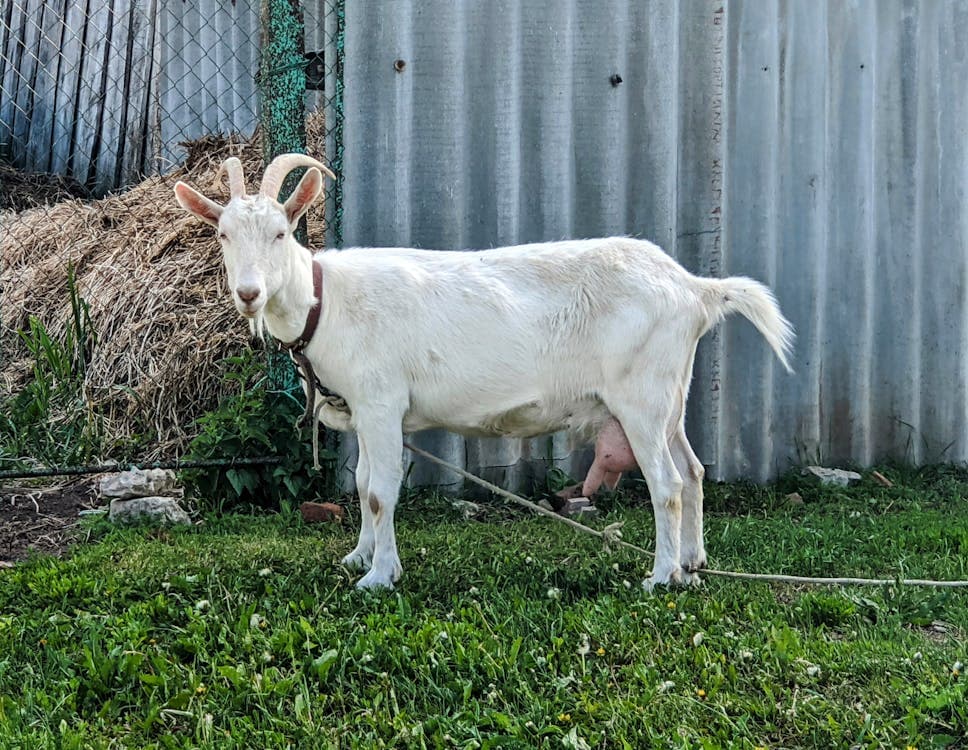
If you have ever watched a goat test every inch of a fence line looking for a weak spot, you already know that containment is one of the biggest challenges of raising goats. Electric fencing is one of the most effective, affordable, and flexible solutions for keeping goats where they belong. Unlike traditional woven wire or board fencing, a properly installed electric fence delivers a short, memorable shock that teaches goats to keep their distance, and it does so at a fraction of the cost of conventional alternatives. Whether you are setting up a permanent perimeter or need a portable system for rotational grazing, this guide walks you through everything you need to know.
Why Choose Electric Fencing for Goats
There are several compelling reasons goat owners turn to electric fencing over other options:
- Cost-effective: Electric fencing typically costs 50 to 70 percent less than woven wire or board fencing for the same linear footage. You need fewer heavy posts, and the wire or netting itself is significantly cheaper.
- Versatile and portable: Portable electric net fencing can be moved in minutes, making it ideal for rotational grazing plans. You can expand, shrink, or reshape your paddocks as your herd and forage conditions change.
- Predator deterrent: A well-charged electric fence discourages coyotes, stray dogs, and other predators from entering your pasture. The shock works on animals approaching from the outside just as effectively as it does on goats pushing from the inside.
- Quick installation: A basic electric fence can be installed in a single weekend, even on uneven ground. If you are working with slopes, check out our guide on how to build goat fence on slope for terrain-specific tips.
- Low visual impact: Thin wire strands are far less visually intrusive than heavy wooden fencing, which matters if your property borders residential areas or scenic landscapes.
Types of Electric Fence for Goats
Choosing the right type depends on whether you need a permanent boundary or a portable grazing system.
Permanent multi-wire fence uses high-tensile wire strung between wooden or T-posts set at regular intervals. This is the best option for perimeter fencing around your main pasture. It is durable, long-lasting, and handles rough terrain well. Most permanent setups use five to seven strands of wire.
Portable electric net fencing (also called electrified netting) comes in pre-assembled rolls, typically 164 feet long and 42 to 48 inches tall, with built-in posts. You simply unroll it, push the posts into the ground, and connect it to your energizer. This is the go-to choice for rotational grazing and temporary paddocks. It is also excellent for protecting garden areas or young tree plantings from browsing goats.
Combination fencing pairs a physical barrier like welded wire or cattle panels with one or two offset electric wires. The hot wires run along the inside and outside of the fence, discouraging goats from leaning on or climbing the physical fence. This approach is especially useful if your goats are habitual fence-testers. For more on why goats challenge fences in the first place, see our article on why do goats jump fences.
Essential Equipment
Before you start stringing wire, gather these core components:
- Energizer (charger): The heart of the system. It sends electrical pulses through the wire. Available in AC-powered (plug-in), DC-powered (battery), and solar-powered models.
- Wire or netting: High-tensile smooth wire, polywire, polytape, or pre-made electric netting. Avoid barbed wire with electric systems since it can entangle animals.
- Posts: Wooden corner and brace posts for permanent fences, fiberglass or step-in posts for line posts and portable setups.
- Insulators: Attach to wooden or T-posts to keep the wire from grounding out against the post. Not needed on fiberglass posts.
- Grounding rods: Galvanized steel rods driven into the earth to complete the electrical circuit. You will need at least three, each six to eight feet long.
- Gate handles and connectors: Insulated handles for gate openings, plus wire connectors and tensioners for joining and tightening runs.
Setting Up Your Electric Fence
Wire Spacing and Height
Proper wire spacing is critical for goats because of their small size and determination. For a permanent multi-wire fence, use the following guidelines:
- Bottom wire: 6 inches from the ground. This prevents kids from scooting underneath.
- Second wire: 12 inches from the ground.
- Third wire: 20 inches from the ground.
- Fourth wire: 30 inches from the ground.
- Fifth wire: 40 inches from the ground.
A minimum fence height of 40 to 42 inches is recommended for standard dairy and meat breeds. If you keep particularly agile breeds like Nigerian Dwarfs that are prone to jumping, consider adding a sixth wire at 48 inches. The bottom two wires are the most important since goats are far more likely to go under or through a fence than over it.
For electric netting, choose 42- to 48-inch netting with vertical stays spaced no more than 6 inches apart. The tighter spacing prevents horned goats from getting their heads tangled.
Proper Grounding
Poor grounding is the number one reason electric fences fail. Even the most powerful energizer is useless if the electrical circuit cannot complete through the ground. Follow these rules:
- Drive a minimum of three galvanized grounding rods at least six feet deep, spaced ten feet apart.
- Connect the rods together and to the energizer's ground terminal with insulated ground wire.
- Install grounding rods in an area that stays moist year-round if possible. Dry, sandy, or rocky soil has high resistance and weakens the shock.
- Never use copper rods or mix copper and galvanized components since electrolysis will corrode the connection over time.
- Test your ground by shorting the fence wire to the ground about 300 feet from the energizer. If you read more than 400 volts on the ground rods with a fence voltmeter, you need additional grounding rods.
Energizer Selection
The energizer must be powerful enough to maintain an effective charge across the entire fence line, even when vegetation touches the wire and drains power.
- Joule rating is the key specification. For goats, aim for a minimum of 0.25 joules per mile of fence wire (counting all strands). A five-strand fence running a quarter mile means 1.25 miles of total wire, so you would need at least a 0.5-joule energizer. Always round up and buy more power than you think you need.
- AC-powered (plug-in) energizers are the most reliable and powerful. Use one if you have an outlet within reasonable distance of the fence.
- Solar energizers are convenient for remote pastures with no grid access. Choose a unit with a built-in battery backup for cloudy days. Make sure the solar panel faces south and stays clear of shade.
- Battery energizers work well for temporary setups but require regular recharging or battery replacement.
A good rule of thumb: buy an energizer rated for at least twice your current fence length so you have room to expand later.
Training Goats to Respect Electric Fence
A fence is only effective if your goats have learned to respect it. Untrained goats may panic and crash through the fence on first contact, which is dangerous for the animal and destructive to your setup.
- Start with a small training pen. Set up a short section of electric fence inside or alongside an existing secure pen. The physical fence prevents escape if the goat bolts.
- Bait the wire. Dab peanut butter or molasses on the electric wire at nose height. The goat will investigate with its nose and receive a controlled shock on a sensitive area. This creates a strong, lasting memory.
- Supervise the first encounters. Watch your goats during their first exposure to make sure no animal gets tangled or overly stressed.
- Train kids early. Young goats learn quickly and rarely challenge the fence once they have been shocked a few times.
- Introduce new goats carefully. Any goat new to your herd should be trained in the small pen before being turned out to a larger electric-fenced pasture.
Most goats learn to respect the fence after two or three contacts. Once trained, they will stay well back from the wire even when the charger is temporarily off.
Maintenance Tips
Electric fencing requires regular attention to stay effective:
- Walk the fence line weekly. Look for fallen branches, sagging wire, broken insulators, and vegetation growing into the wire.
- Keep vegetation trimmed. Grass and weeds touching the wire drain voltage. Mow or use a string trimmer along the fence line regularly. Some owners spray a narrow strip of herbicide beneath the bottom wire.
- Test voltage often. Use a digital fence voltmeter, not a screwdriver or your knuckle. You want at least 4,000 to 5,000 volts on the wire for goats. Test at the farthest point from the energizer for the most accurate reading.
- Inspect grounding rods at the start of each season, especially after frost heave or drought.
- Replace worn polywire or polytape every two to three years. UV exposure degrades the plastic filaments over time, reducing conductivity.
- Check the energizer for rodent damage if it is housed in a barn or shed. Mice love to chew on wires. Speaking of outbuildings, if you need a place to house your charger and supplies, our guide on how to build goat barn covers practical shed and barn designs.
Cost Breakdown
Here is a rough cost estimate for a basic five-strand permanent electric fence enclosing a one-acre pasture (approximately 835 linear feet):
| Item | Estimated Cost |
|---|---|
| Energizer (1-joule, AC-powered) | $80 - $150 |
| High-tensile wire (5 strands) | $80 - $120 |
| Corner and brace posts (8) | $80 - $120 |
| T-posts (every 12 ft, ~70 posts) | $210 - $280 |
| Insulators (70 posts x 5 wires) | $50 - $70 |
| Grounding rods and clamps (3) | $30 - $45 |
| Gate handles and hardware | $15 - $25 |
| Total | $545 - $810 |
For portable electric netting, expect to spend about $150 to $200 per 164-foot roll, plus $100 to $250 for a solar energizer. A basic portable setup for a quarter-acre paddock runs around $450 to $700.
Compare this to traditional woven wire fencing, which typically costs $1,500 to $3,000 or more per acre. The savings are substantial, especially if you manage multiple paddocks. If you use portable netting with a portable goat shelter, you can create a fully mobile grazing system at minimal cost.
Common Electric Fence Problems and Solutions
Even well-built electric fences encounter issues. Here are the most frequent problems and how to fix them:
- Low voltage or no shock: Check the energizer first to make sure it is powered on and functioning. Then walk the line looking for shorts caused by vegetation, broken insulators, or wire touching a metal post. Test your ground system as described above.
- Goats getting through the bottom: Your bottom wire is too high or has insufficient voltage. Lower it to six inches and clear any debris underneath that could ground it out.
- Fence not working in dry weather: Dry soil dramatically increases ground resistance. Add more grounding rods, water the area around existing rods, or switch to a positive-negative (alternating ground wire) system that does not rely on soil moisture.
- Goats getting tangled in netting: This usually happens with horned goats and loose netting. Keep netting taut at all times, and consider dehorning or switching to smooth wire for horned animals. Never leave unpowered netting in the pasture since goats will investigate it without fear and become tangled.
- Energizer tripping or clicking irregularly: Usually indicates a major short somewhere on the line. Disconnect sections one at a time to isolate the fault.
- Posts leaning or falling: Reset posts and tamp soil firmly. In soft ground, use longer posts or add concrete around corner and gate posts.
Electric fencing is a practical, proven solution that thousands of goat owners rely on every day. With the right equipment, proper installation, and a little routine maintenance, your electric fence will keep your herd contained and predators out for years to come. Start with a solid plan, invest in a quality energizer, and never cut corners on grounding. Your goats will learn to respect the fence quickly, and you will wonder why you did not make the switch sooner.

About Elma K. Johnson
Expert farmers and veterinarians with over 20 years of experience in goat farming and animal husbandry.
Related Articles
Goat Housing Requirements: Essential Features Every Barn Needs
A practical checklist of goat housing requirements: dry draft-free shelter, space, ventilation, feeders, water, fencing, and predator protection. Plan it right.