Best Heated Water Buckets for Goats: Winter Buyer's Guide
Choosing a heated water bucket for goats? Compare flat-back buckets, heated tubs, de-icers, and non-electric options, plus sizing and cord safety tips.

Elma K. Johnson
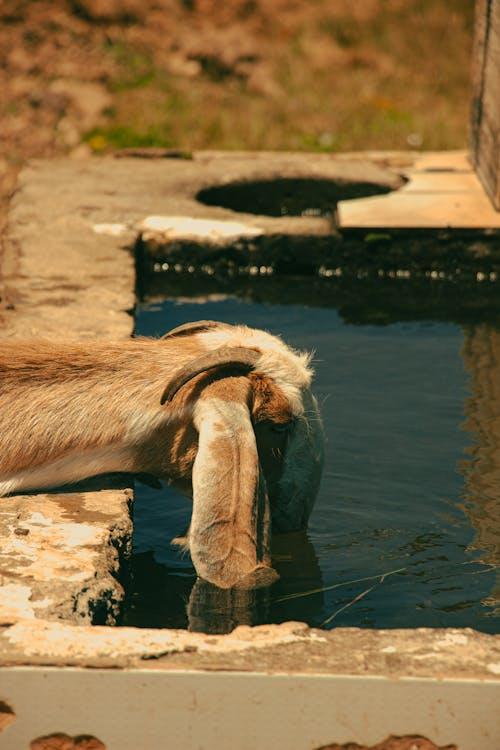
The best heated water bucket for goats is, for most small herds, a thermostatically controlled flat-back heated bucket in the 5-gallon range with a chew-protected cord, plugged into a GFCI-protected outlet. Larger herds are usually better served by a heated rubber tub or a stock tank fitted with a de-icer, and keepers without power at the barn can get part of the way there with insulated, non-electric setups. The right choice depends on how many goats you water, how cold your winters get, and how safely you can get electricity to the pen.
Key takeaways:
- Goats drink less when water is icy or frozen, and low winter intake raises the risk of problems such as urinary calculi and poor feed digestion.
- Thermostatic control, a protected cord, and a GFCI outlet matter more than brand name or bucket color.
- Size the container so it lasts between your chore visits, then add a second water point rather than one oversized tub.
Heated Water Options Compared at a Glance
Here is how the main ways of keeping goat water ice-free compare. Wattage and capacity vary by model, so read the product label rather than relying on the general descriptions below.
| Option | Best for | Typical capacity | Power draw (general) | Main drawback |
|---|---|---|---|---|
| Heated flat-back bucket | 2-6 goats, stalls, kidding pens | About 2-5 gallons | Low | Needs refilling often with larger herds |
| Heated rubber or plastic tub | Mid-size herds, group pens | Roughly 10-16 gallons | Moderate | Low sides get dirty quickly |
| Drop-in or floating tank de-icer | Existing troughs and stock tanks | Depends on your tank | Moderate to high | Exposed heater and cord need guarding |
| Heated bucket or fount base | Compatible metal waterers only | Depends on the container | Low | Not suited to every bucket material |
| Insulated non-electric bucket holder | Barns with no power, mild winters | About 5 gallons | None | Slows freezing; does not prevent it |
Why Winter Water Intake Matters
It is easy to assume goats need less water in cold weather. In practice their needs stay substantial, because winter diets are mostly dry hay and rumen fermentation depends on plenty of fluid. Our guide to goat water requirements covers daily amounts by size and production stage.
The real winter problem is that goats are fussy drinkers. Many will refuse to break through a skin of ice, and they tend to drink less when water is close to freezing. Reduced intake has knock-on effects:
- Urinary calculi. Concentrated urine is one of the contributing factors in stone formation, and bucks and wethers are most at risk. Read our article on urinary calculi in goats and treat any straining male as a veterinary emergency.
- Reduced feed intake. Goats that do not drink enough eat less hay, which is the opposite of what you want when they are burning calories to stay warm.
- Lower milk production in does that are still being milked or are in late pregnancy.
Reliable, ice-free water is one of the foundations of preparing goats for winter, alongside adequate forage and loose minerals. Salt drives thirst, so a good mineral and supplement program and open water work together.
Heated Flat-Back Buckets
A heated flat-back bucket is the default choice for small herds. The flat side sits flush against a wall or fence so the bucket can be hung at chest height, which keeps manure and bedding out and makes it harder to tip. The heating element is sealed inside the base or wall of the bucket, so there is nothing loose in the water for goats to play with.
What to look for:
- A built-in thermostat that switches the heater on only near freezing.
- A cord wrapped in a metal spring or coil for chew protection, ideally exiting low at the back of the bucket.
- A sturdy bail and hanging point, since a full 5-gallon bucket is heavy.
- Clear capacity markings, which help you track how much the herd is actually drinking.
Established farm-supply brands in this category include Farm Innovators and API (Allied Precision Industries). You can browse Farm Innovators heated flat-back buckets and API heated buckets to compare sizes. For Nigerian Dwarfs, Pygmies, and kids, a smaller 2-gallon heated bucket hung lower is easier for short animals to reach and wastes less water at each cleaning.
Heated Rubber and Plastic Tubs
When a 5-gallon bucket no longer lasts between visits, a heated tub is the next step. These are wide, low containers with a sealed heating element in the base and the same thermostatic control as a heated bucket. Several goats can drink at once, which helps timid animals that get pushed away from a single bucket.
The trade-off is hygiene. A low, open tub collects hay, bedding, and droppings quickly, and goats will not drink fouled water. Set it on a raised, stable platform outside the bedded area where possible. Rubber-style tubs tolerate knocks and ice better than rigid plastic, which can crack if the power fails and the contents freeze solid.
Drop-In and Floating De-Icers
If you already own a trough or stock tank, a de-icer converts it to a heated waterer. Floating units sit on the surface; sinking or drop-in units rest on the bottom, and some mount through the tank's drain plug.
Check three things before buying:
- Tank material. Some de-icers are rated for metal tanks only. For plastic or rubber tanks, choose a model the manufacturer states is plastic-safe, or one with a guard that holds the element away from the tank wall.
- Tank size. De-icers are sold by the gallon capacity they are intended for. An oversized unit in a small tub wastes electricity.
- Guarding. Goats are curious and will mouth a floating heater or its cord. A sinking or drain-plug style, with the cord routed outside the pen, is usually the safer pick.
Compare floating and sinking tank de-icers and confirm the listing matches your tank type.
Heated Bases
Heated bases are flat, thermostatically controlled platforms that warm a container from below. Most are built for metal poultry founts, and many manufacturers specify metal containers only, so do not assume one is suitable for a plastic or rubber bucket. For most goat keepers an integrated heated bucket is simpler and safer.
Insulated Non-Electric Options
No power at the barn does not mean you are stuck with ice. Non-electric approaches slow freezing and buy you hours:
- An insulated bucket cover or holder that wraps a standard bucket.
- Flexible rubber buckets and pans, which let you stomp or twist out a block of ice without cracking the container.
- Placing water inside the shelter, out of the wind, in a spot that gets winter sun.
- Carrying warm (not hot) water out at each chore time and offering it two or three times a day.
These methods work well in climates with light overnight freezes. In sustained deep cold they will not keep water open all day, so plan on more frequent visits or on running safe power to the barn.
Sizing by Herd Size
Use your herd's real consumption, not a guess. As a starting point for planning:
- 2-4 goats: one 5-gallon heated bucket, checked and topped up twice daily.
- 5-10 goats: two heated buckets in separate spots, or one heated tub.
- More than 10 goats: a heated tub plus a bucket, or a stock tank with a de-icer.
Two water points are better than one large one: a dominant doe can guard a single bucket, and a second source is a backup if a heater fails.
Cord Safety and Electrical Basics
This is the part of the purchase that deserves the most attention. Goats chew, rub, and stand on anything within reach, and water and electricity sit side by side in every one of these products.
- Use a GFCI-protected outlet. A ground-fault circuit interrupter cuts power if current leaks. If your barn outlets are not GFCI protected, have a licensed electrician assess the wiring.
- Keep cords out of reach. Route the cord straight through the wall or fence behind the bucket so no slack hangs inside the pen. Where a cord must cross an accessible area, run it through conduit or PVC pipe.
- Avoid extension cords where you can. If one is unavoidable, use a heavy-duty, outdoor-rated cord matched to the heater's wattage, and keep the connection dry and off the ground.
- Inspect regularly. Check for chewed insulation, cracked plugs, and scorch marks, and unplug before cleaning.
- Watch for refusal to drink. If goats suddenly avoid a heated bucket, unplug it and test the setup. Stray voltage from a damaged heater can give animals a tingle they will not tolerate.
Our article on heating goat shelters in winter explains why heat lamps and space heaters are a serious fire risk around bedding.
Thermostats, Wattage, and Running Costs
Almost all livestock heated buckets and de-icers are thermostatically controlled, switching on near freezing and off once the water is a few degrees above it. They keep water liquid, not warm, which is all goats need.
Wattage rises with capacity: small buckets draw the least, tubs more, and stock tank de-icers the most. Because the thermostat cycles, actual energy use depends on your weather. You can reduce it by:
- Choosing the smallest container that meets the herd's needs.
- Placing water out of the wind.
- Unplugging units during extended mild spells.
Cleaning and Maintenance
Dump and rinse buckets daily, and scrub them with a stiff bucket brush at least weekly. Always unplug before emptying, because most heated buckets must not run dry. At the end of the season, dry everything, inspect cords, and store units where rodents cannot chew them.
Winter is also when feed changes, so pair your water plan with our guide to seasonal feeding adjustments for goats.
Frequently Asked Questions
What size heated bucket do I need for two goats?
A single 5-gallon heated flat-back bucket is usually ample for two standard-size goats if you refill it once or twice a day. For two miniature goats, a 2- to 3-gallon bucket hung lower is easier to reach and keep clean.
Do heated buckets use a lot of electricity?
Bucket-size units have a low power draw compared with tank de-icers, and the thermostat means they only heat when temperatures are near or below freezing. Your actual cost depends on local electricity rates, the unit's wattage, and how cold and windy your site is.
How do I keep goat water from freezing without electricity?
Use insulated bucket holders, flexible rubber buckets that release ice easily, and a sheltered sunny location, then bring warm water at each chore time. Expect to offer fresh water at least twice a day in freezing weather, and more often in deep cold.
Final Thoughts
Choose the container style that fits your herd size, insist on thermostatic control and a protected cord, and treat the electrical side with respect: GFCI protection, no dangling cords, and regular inspection. If any goat stops drinking, strains to urinate, or goes off feed in cold weather, contact your veterinarian promptly rather than waiting to see whether it resolves.

About Elma K. Johnson
Elma K. Johnson is the pen name used by the Carefree Goats editorial team. Our guides are general educational information for goat keepers, not veterinary advice. Read how we research and write our articles.
Related Articles

How to Care for Goats in Summer: A Comprehensive Guide
Learn essential strategies for caring for goats in summer, including hydration, shelter, nutrition, and health management to keep your herd thriving during hot weather.