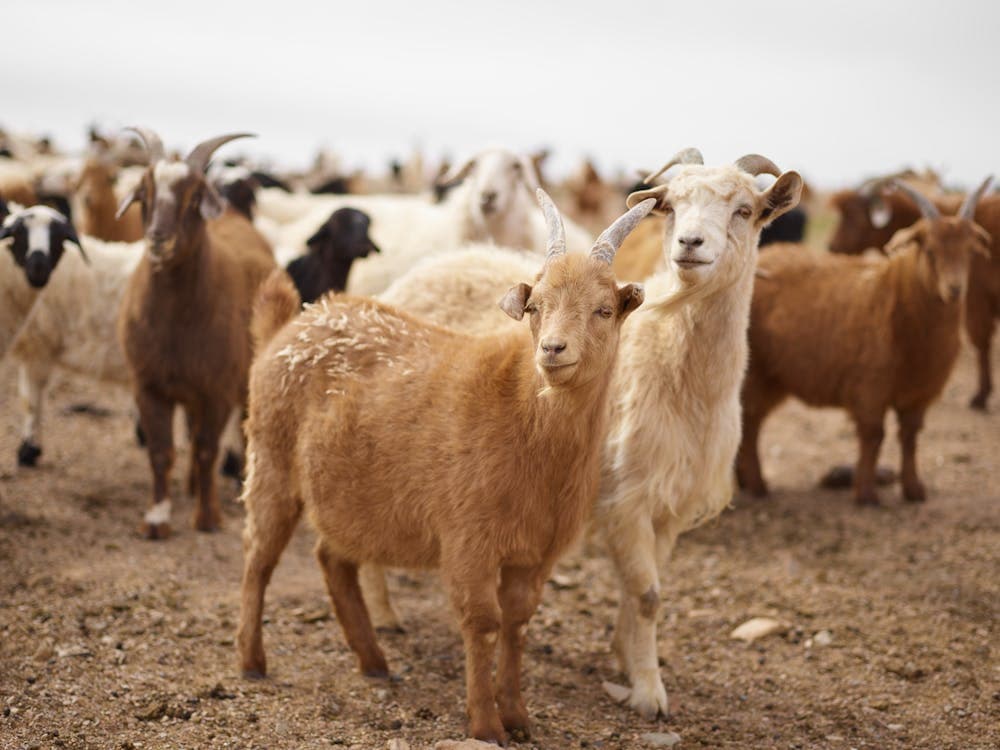
Is Goat Farming Profitable? A Realistic Income and Profit Analysis
Is goat farming profitable? An honest look at goat farm revenue streams, real cost drivers, and what separates earning operations from money-losing ones.

Dr. Elma K. Johnson
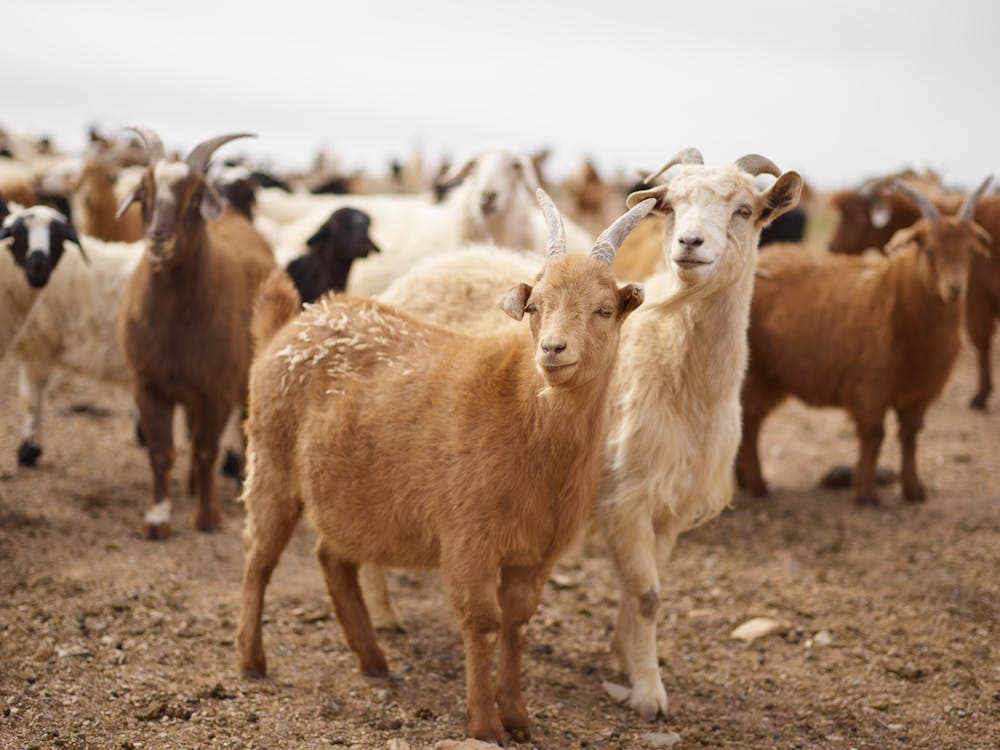
Goat farming can be profitable, but it is rarely an easy or fast path to money — most small herds break even at best in the early years, while operations that clear a real profit do so by keeping input costs low, choosing a strong market (meat, dairy, breeding stock, or value-added products), and treating the venture like a business rather than a hobby. Whether you actually earn money depends far more on your scale, marketing, and feed costs than on the goats themselves.
Key takeaways:
- Profit comes from matching the right revenue stream to your land, breed, and local market — not from owning goats in general.
- Feed and hay, vet care, and the upfront cost of land, fencing, and shelter are the make-or-break numbers; cheap pasture and low input costs are the single biggest profit lever.
- Value-added products (soap, cheese, breeding stock) and direct marketing usually out-earn selling commodity animals at auction.
Below is a realistic, honest walk-through of how goat farms actually make (and lose) money, with illustrative ranges rather than promises.
So, Is Goat Farming Profitable? The Honest Answer
The honest answer is "it can be — but not automatically." Goats have real advantages as a livestock business: they are smaller and cheaper to buy than cattle, they reproduce quickly, they can graze marginal or brushy land that other animals waste, and demand for goat meat and goat milk products continues to grow in many regions. Those fundamentals are genuinely favorable.
But the same things that make goats accessible also make goat farming crowded and competitive. Many people start with a few animals as a hobby, underprice their products, and never track their numbers. The result is that a large share of small goat operations quietly run at a loss or barely break even, subsidizing the herd with off-farm income and calling it a "lifestyle."
The farms that turn a profit tend to share a short list of traits: they run at enough scale to spread fixed costs, they keep feed and hay costs low (usually through good pasture), they sell into a defined market at retail or near-retail prices, and they add value instead of selling raw commodities. If you can hit most of those, goat farming can produce a respectable side income or, at larger scale, a primary one. If you can't, expect it to be a rewarding but money-neutral pursuit at best.
If you're still in the planning stage, our guides on how to start a goat farming business and building a goat farm business plan walk through the groundwork before you buy a single animal.
The Main Revenue Streams (And How Realistic Each Is)
There is no single "goat business." There are several, each with a different cost structure, market, and profit ceiling. Most successful farms focus on one or two and do them well rather than chasing all of them.
Meat Goats
Meat is the largest and most consistent goat market in much of the world, and demand often outpaces local supply. Boer goats and Boer crosses are the standard meat breed because they grow fast and produce a heavy, well-muscled carcass; hardy breeds like the Kiko appeal to producers who want low-maintenance animals on pasture. Learn more in our guide to raising meat goats.
Profitability here lives and dies on two numbers: how cheaply you can put weight on the animal (pasture beats purchased feed every time) and what price you can get per animal. Selling live animals at a commodity auction usually returns the least; selling directly to consumers, to ethnic and holiday markets, or through online channels typically earns substantially more per head. Meat goats are a volume game — margins per animal are modest, so scale matters.
Dairy Goats
Dairy can earn more per animal than meat, but it is also far more labor-intensive and regulated. A productive doe of a top dairy breed gives a large volume of milk over a long lactation, and that milk can be sold raw (where legal), bottled, or — more profitably — turned into cheese, yogurt, soap, or lotion.
The catch is that selling fluid milk legally often requires licensing, inspected facilities, and significant compliance work, which varies enormously by region. Before counting on milk income, read up on how to sell goat milk legally and look at the strongest dairy goat breeds and breeds for milk production. The twice-daily milking commitment is real and never goes away, so dairy rewards people who genuinely enjoy the routine.
Breeding and Registered Stock
Selling breeding stock — especially registered, well-documented animals with strong genetics — is often the highest-margin part of a goat operation. A quality registered buck or doe can sell for many times the price of a commercial animal sold for meat. This is where reputation, recordkeeping, and showing pay off.
The trade-off is that the breeding-stock market is smaller, slower, and built on credibility you have to earn over years. It rewards patience and marketing. Our guide to profitable goat breeding covers how to build a herd whose offspring command premium prices.
Fiber Goats
Fiber from Angora (mohair) and Cashmere goats is a niche but real market. Fiber is light, stores well, and can be sold raw or processed into higher-value yarn and finished goods. It tends to suit hobby-to-small-commercial scale and crafters more than large operations, and processing/marketing is the bottleneck. As a standalone profit center it is modest; as a value-added sideline for the right person it can work nicely.
Brush Clearing and Land-Clearing Rentals
Renting out a herd to clear brush, control invasive plants, and reduce wildfire fuel is one of the more creative goat income streams, and demand has grown as landowners and municipalities look for chemical-free vegetation management. The appeal is that the goats are doing what they naturally do — browsing — while someone else pays for it.
The realities are logistics-heavy: you need portable fencing, water, transport, predator protection, and the ability to move animals between sites. It works best near suburban or peri-urban areas where there are paying clients and steep or overgrown lots. Done well, it can be surprisingly lucrative per day; done casually, the hauling and setup eat the margin.
Value-Added Products (Soap, Cheese, and More)
This is consistently where small goat farms find their best margins. Raw milk turned into goat milk soap, goat cheese, lotion, or fudge can multiply the value of that milk many times over, and finished products sell at farmers markets, online, and to local shops.
Value-added products also smooth out income, build a brand, and create repeat customers in a way that selling live animals never will. The cost is your time and any licensing your jurisdiction requires for food products. For many homestead-scale operations, value-added goods — not the goats themselves — are what tip the whole enterprise into the black.
The Major Cost Drivers
You cannot judge profitability without an honest accounting of costs. These are the big ones, roughly in order of how often they sink new operations.
- Land. The single largest variable. Owned, paid-off pasture is the foundation of profitable goat farming because it provides cheap feed. Leased or expensive land changes the math dramatically.
- Feed and hay. The biggest recurring cost for most herds. Goats that browse good pasture for much of the year cost a fraction of goats fed purchased hay and grain year-round. See our feeding goats guide and notes on the best hay for goats. Winter and drought are when feed bills spike.
- Fencing. Goats are escape artists, so fencing is non-negotiable and not cheap. Options range from woven wire to electric fencing; good fencing pays for itself by preventing lost, injured, or roaming animals.
- Shelter. Goats need protection from wind, rain, and extreme cold or heat. This can be modest — a three-sided shelter or DIY shelter — or a full barn, depending on your climate and scale.
- Veterinary care, minerals, and parasite control. Routine herd health — deworming, vaccinations, minerals and supplements, and hoof trimming — is an ongoing cost, and a single serious illness or a hard kidding season can wipe out a year's margin. Internal parasites in particular are a leading cause of loss; a relationship with a veterinarian is part of the cost of doing business.
- Breeding stock. Your initial animals are a real capital outlay, and the temptation to overpay for "starter" goats is strong. Quality matters, but so does buying within a budget you can actually recoup.
- Labor and time. Often ignored, rarely free. Even when you don't pay yourself, your hours are a cost — and dairy and value-added paths demand a lot of them.
An Illustrative Cost-vs-Revenue Example
The table below is a general, illustrative example only — not a forecast or a guarantee. Real figures vary widely by region, breed, year, feed prices, and how you market. It's meant to show the shape of a small operation's economics, not to predict your results. For a deeper teardown of the expense side, see our breakdown of the cost to raise 10 goats.
| Line item (illustrative small herd, per year) | General range | Notes |
|---|---|---|
| Recurring revenue | ||
| Animal/meat sales | Low–moderate | Depends heavily on sales channel; direct sales beat auction |
| Dairy or value-added products | Moderate–higher | Value-added (soap, cheese) typically earns the most per unit |
| Breeding stock sales | Variable | High margin but inconsistent; reputation-dependent |
| Recurring costs | ||
| Feed and hay | Often the largest cost | Falls sharply with good pasture |
| Vet, minerals, parasite control | Steady, occasionally spiky | One bad event can dominate the year |
| Misc (bedding, repairs, transport) | Small but constant | Adds up over a season |
| One-time / capital costs | ||
| Land | Largest, but spread over many years | Owned land is the profitability foundation |
| Fencing and shelter | Significant upfront | Amortize over their useful life, not one year |
| Initial breeding stock | Moderate | A capital investment, not an annual expense |
The pattern the table is meant to highlight: recurring revenue has to comfortably exceed recurring costs before you've even paid back the upfront land, fencing, shelter, and stock. Many hobby herds never get past that first hurdle, which is exactly why honest bookkeeping matters more than optimism.
What Separates Profitable Farms From Money-Losing Ones
After all the revenue streams and cost lines, profitability tends to come down to a handful of decisions. Across many operations, the profitable ones look different from the struggling ones in fairly consistent ways.
Scale
There is a real floor below which the fixed costs — fencing, shelter, your time, the truck — simply can't be spread thin enough to profit. A handful of pet goats is a lovely hobby but rarely a business. Profitable farms either run enough animals to make the fixed costs worthwhile or operate at a deliberately tiny, low-cost, value-added scale where the margins per unit are very high.
Low Input Costs
This is the most important lever, full stop. Farms that profit usually graze cheap pasture for much of the year, buy hay smartly, keep healthy animals that need less veterinary intervention, and avoid overcapitalizing on fancy infrastructure. Rotational and regenerative grazing and good pasture rotation directly attack the biggest cost — feed — while keeping parasites down. Cheap, healthy gains are the whole game.
Marketing and Sales Channel
How you sell matters as much as what you sell. The same animal or the same gallon of milk can earn dramatically different amounts depending on whether it goes to a commodity auction or to an end customer who values it. Profitable farms build direct relationships — farmers markets, online sales, repeat buyers, holiday and ethnic markets — and price for retail rather than wholesale.
Value-Added and Differentiation
The farms that consistently profit at small scale almost always add value: turning milk into soap and cheese, selling registered genetics instead of commercial animals, or packaging a service like brush clearing. Commodity selling is a race to the bottom; differentiation is how a small operation escapes it.
Treating It Like a Business
Finally, profitable operators keep records, know their cost per animal, cull unproductive stock, and make unsentimental decisions. The single most common reason goat farms lose money isn't bad luck — it's never running the numbers in the first place.
Frequently Asked Questions
How many goats do you need to make a profit?
There's no universal number, but very small herds kept as pets rarely turn a real profit because fixed costs aren't spread across enough animals. Many people find that either a larger commercial-scale meat or dairy herd, or a deliberately small herd built around high-margin value-added products, has a more realistic path to profit than a handful of animals sold as commodities.
What is the most profitable type of goat farming?
It depends on your land, skills, and market, but value-added products (soap, cheese, and other goods made from goat milk) and registered breeding stock usually offer the highest margins per unit. Meat goats can be profitable at scale, especially through direct sales, while fiber and brush-clearing are profitable in the right niche. Matching the venture to your local market matters more than the category itself.
How long before a goat farm becomes profitable?
Honestly, expect to break even at best in the early years while you cover upfront costs for land, fencing, shelter, and stock and build a customer base. Operations focused on quick-turnaround value-added products may see positive cash flow sooner, while breeding-stock reputations and herd genetics can take several years to pay off. Anyone promising fast, guaranteed profit should be treated with skepticism.
Is raising goats cheaper than other livestock?
In many cases the entry cost is lower — goats are smaller and cheaper to buy than cattle, and they can use marginal or brushy land. But "cheaper to start" is not the same as "profitable." Per-animal feed, fencing, and health costs still add up, and goats' talent for escaping and their parasite susceptibility create costs that less experienced owners often underestimate.
Can you make a living from goat farming?
Some people do, but it generally requires real scale, low input costs, strong marketing, and often a value-added or breeding component — and frequently a second income stream while the operation matures. For many owners, goat farming is best viewed as a meaningful side income or a self-sustaining lifestyle rather than a guaranteed full-time living.
Final Thoughts
Goat farming is profitable for the people who run it like a business and unprofitable for the people who run it like a hobby and hope for the best. The fundamentals are genuinely favorable — growing demand, low entry cost, animals that thrive on land other livestock waste — but those advantages only translate into money when you pair the right revenue stream with cheap inputs, smart marketing, and honest recordkeeping.
If you're serious, start with a plan rather than animals: map your local market, run the numbers using a realistic cost breakdown, decide which revenue stream fits your land and temperament, and build out from a solid business plan. Do that, keep your input costs low, and add value wherever you can — and goat farming can absolutely pay. Treat it casually, and the goats will happily eat your profits along with the brush.

About Dr. Elma K. Johnson
Expert farmers and veterinarians with over 20 years of experience in goat farming and animal husbandry.
Related Articles
How Much Does a Goat Cost? Buying Price Guide by Breed
How much does a goat cost? See realistic price ranges by breed and type, plus the factors and ongoing costs that shape your real budget before you buy.