How to Raise Meat Goats: A Complete Guide to Profitable Meat Goat Farming
Learn how to raise meat goats for profit, including best breeds like Boer and Kiko, feeding requirements, housing needs, and marketing strategies for your meat goat operation.

Elma K. Johnson
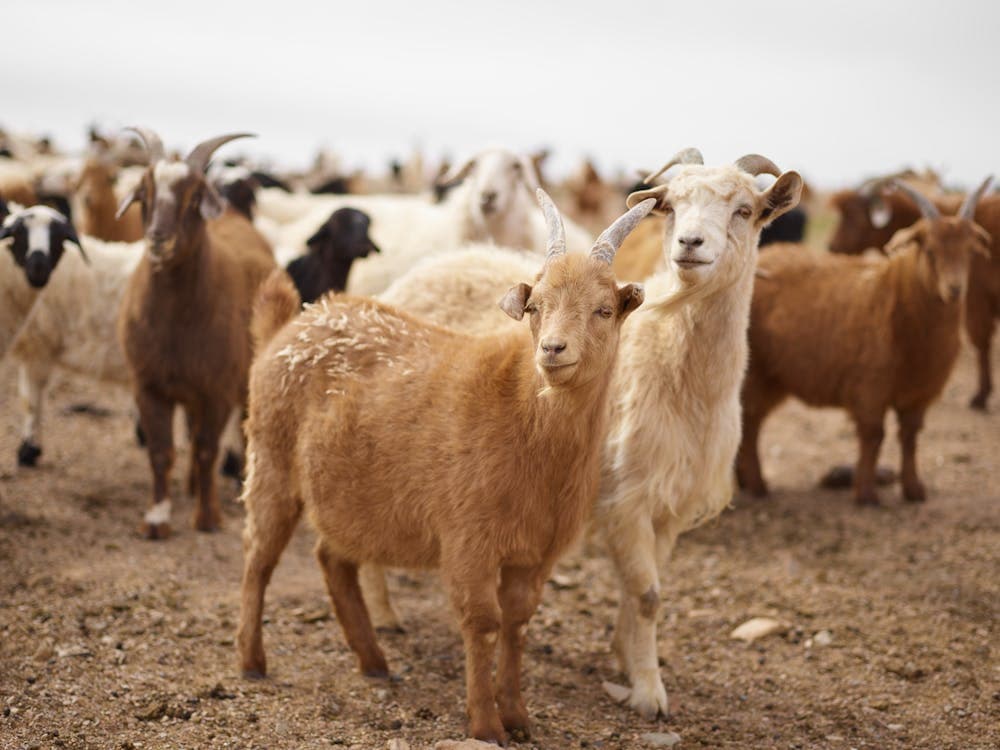
Raising meat goats is one of the most accessible and rewarding paths into livestock farming today. The demand for goat meat in the United States has outpaced domestic production for over a decade, meaning farmers who enter this market are stepping into a supply gap that shows no signs of closing. Whether you have five acres or fifty, a well-managed meat goat operation can generate consistent income while fitting into land and budgets that would never support cattle.
This guide covers everything you need to know to get started, from choosing the right breed to putting goat meat in the hands of buyers willing to pay a premium for it.
Why Raise Meat Goats
Goat meat, often called chevon or cabrito, is the most widely consumed red meat on the planet. In the U.S., growing immigrant communities from Latin America, the Caribbean, Africa, the Middle East, and Southeast Asia have driven demand sharply upward. The country currently imports roughly 60% of the goat meat it consumes, most of it from Australia and New Zealand. That gap between supply and demand is an opportunity for domestic producers.
Beyond market demand, meat goats offer several practical advantages over other livestock:
- Lower startup costs compared to cattle. You can begin a viable herd with a modest investment. Our breakdown of the cost to raise 10 goats covers realistic numbers.
- Efficient land use. Goats thrive on rough browse and marginal pasture that cattle or sheep would ignore. They can actually improve overgrown land while putting on weight.
- Faster reproduction cycles. Does typically kid once or twice per year, often producing twins or triplets. A herd of 20 does can grow quickly.
- Multiple revenue streams. Beyond selling finished animals, you can sell breeding stock, bottle-fed kids to 4-H families, and even goat manure as fertilizer.
If you are weighing the broader economics, our goat farm business plan guide walks through projections and cost structures in detail.
Best Meat Goat Breeds
Not all goats are created equal when it comes to putting on muscle and converting feed into pounds of meat. Here are the four breeds that dominate the U.S. meat goat industry.
Boer Goats
The Boer is the gold standard for meat production. Originating from South Africa, Boer goats are stocky, fast-growing animals that can reach market weight of 60 to 80 pounds by five to six months of age. Adults often tip the scales at 200 to 300 pounds for bucks and 150 to 200 pounds for does. They have a docile temperament and adapt well to a range of climates. The main downside is that purebred Boer stock can be more susceptible to parasites than hardier breeds, so parasite management is non-negotiable.
Kiko Goats
Developed in New Zealand from feral stock, the Kiko was bred specifically for hardiness and meat production with minimal human intervention. Kiko goats are vigorous foragers with strong parasite resistance and excellent mothering instincts. They grow slightly slower than Boers but make up for it with lower veterinary costs and less hands-on management. Many commercial producers now run Kiko-Boer crosses to get the best of both worlds: Boer size with Kiko toughness.
Spanish Goats
Spanish goats are the original meat goat of the American South. They descended from goats brought by Spanish explorers centuries ago and have been surviving on their own in brushy hill country ever since. They are smaller than Boers but exceptionally hardy, heat-tolerant, and resistant to internal parasites. Spanish does are attentive mothers that rarely need kidding assistance. They are a strong choice for low-input operations or for crossbreeding programs.
Savanna Goats
Another South African breed, the Savanna is a large, white-coated meat goat that was developed to handle harsh, dry conditions. Savannas have thick, loose skin that provides good parasite and sun resistance. They match Boers in size and growth rate while generally requiring less veterinary attention. Purebred Savanna stock is harder to find and more expensive than Boers, but their reputation for resilience is growing among commercial producers.
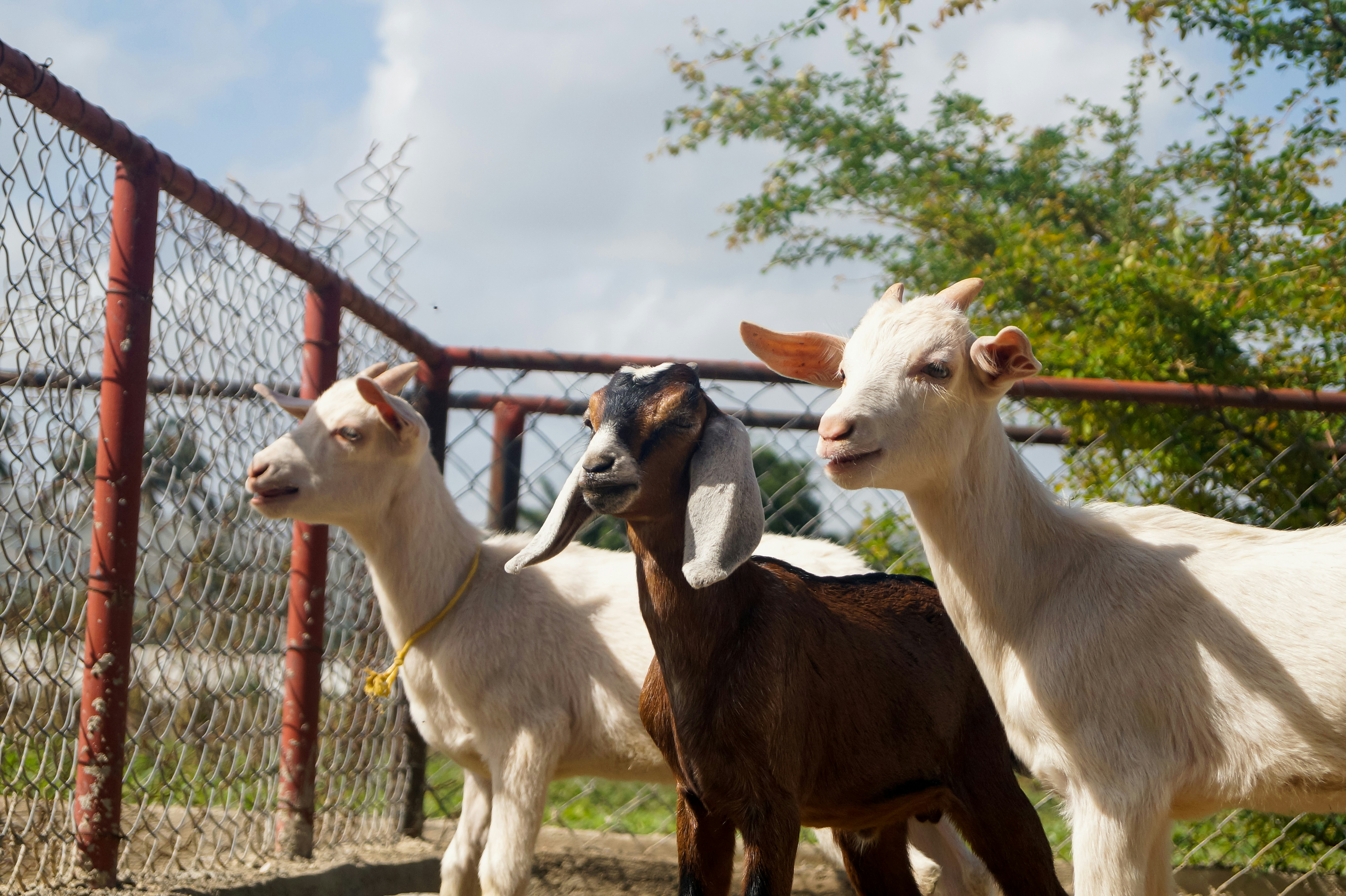
Which breed should you start with? For most beginners, Boer or Boer-cross does bred to a percentage or purebred Boer buck offer the best balance of growth rate, availability, and market recognition. As you gain experience, consider adding Kiko genetics for hardiness.
Housing and Space Requirements
Meat goats do not need fancy facilities, but they do need dry shelter, adequate space, and secure fencing. Cutting corners on any of these three will cost you more in lost animals and veterinary bills than you save on construction.
Shelter basics:
- A three-sided loafing shed works for mild climates. In areas with cold winters or heavy rain, an enclosed barn with good ventilation is better.
- Allow 15 to 20 square feet of indoor space per adult goat. Overcrowding leads to respiratory problems, stress, and higher parasite loads.
- Kidding stalls should be separate, clean, and draft-free. Plan on at least one 5x5-foot stall for every five does.
- Keep bedding dry. Deep straw bedding works well and can be composted afterward.
For detailed construction plans, check out our guide on how to build a goat barn.
Fencing:
Goats are escape artists with a talent for finding weak spots. For meat goats, 4-foot woven wire fencing with a strand of electric wire along the top and bottom is the most reliable setup. High-tensile electric fencing also works well once goats are trained to respect it. Budget for fencing carefully, because it is often the single largest infrastructure expense.
Pasture and browsing space:
- Plan on 6 to 10 goats per acre of good-quality, managed pasture. Rough browse land can support fewer.
- Rotational grazing is essential to keep parasite pressure down and pasture productive. Moving goats to fresh ground every 5 to 7 days breaks the parasite life cycle and gives forage time to recover.
Feeding Meat Goats for Optimal Growth
Feeding is where profit margins are made or lost. Meat goats are ruminants that do best on a forage-based diet supplemented with grain only when growth demands require it.
Forage and browse should make up the majority of the diet. Goats prefer woody browse, broadleaf weeds, and mixed pasture over pure grass. A diverse pasture with legumes like clover or lespedeza provides better nutrition and natural parasite resistance than a monoculture grass field.
Hay fills the gap when pasture is dormant or insufficient. Good-quality mixed grass-legume hay with 10 to 14 percent crude protein is ideal. Avoid dusty or moldy hay, which causes respiratory issues.
Grain and concentrates are most important for:
- Growing kids being pushed to market weight. A 16% protein goat feed or a corn-soybean mix at 0.5 to 1.5 pounds per day, depending on age and growth targets.
- Does in late pregnancy and early lactation. They need extra energy to support kid development and milk production.
- Bucks during breeding season when they often eat poorly and lose condition.
Minerals are critical and frequently overlooked. Provide a loose goat-specific mineral mix free-choice at all times. Meat goats especially need adequate copper, selenium, and zinc. Do not use sheep mineral, which lacks the copper goats require.
Our complete feeding goats guide goes deeper into ration formulation and seasonal adjustments.
Health Management
Healthy goats grow faster, breed more reliably, and cost less to maintain. A proactive health program is far cheaper than treating problems after they appear.
Internal parasites are the number one health challenge in meat goats across every climate. The barber pole worm (Haemonchus contortus) kills more goats than any other single cause. Use the FAMACHA scoring system to identify animals that need deworming rather than treating the entire herd on a schedule. Rotational grazing, pasture rest periods, and genetic selection for parasite resistance are your best long-term tools.
Vaccination: At minimum, vaccinate all goats with CD&T (Clostridium perfringens types C and D plus tetanus). Kids should receive their first dose at 4 to 6 weeks, a booster 3 to 4 weeks later, and an annual booster thereafter. Does should receive a booster 4 weeks before kidding to pass immunity through colostrum.
Hoof care: Trim hooves every 6 to 8 weeks to prevent foot rot and maintain soundness. Lame goats do not graze or grow efficiently.
Common conditions to watch for:
- Coccidiosis in young kids, especially around weaning. Prevention through medicated feed or a coccidiostat in the water is easier than treatment.
- Pneumonia during cold, wet weather or in poorly ventilated housing.
- Enterotoxemia (overeating disease), which is preventable with CD&T vaccination.
- Caseous lymphadenitis (CL), an abscess-causing bacteria. Cull infected animals and never buy stock from herds with a CL history.
For a deeper look at disease prevention and treatment, read our article on common goat diseases.
Marketing and Selling Goat Meat
You can raise the finest meat goats in the county, but if you do not have buyers lined up, you do not have a business. Marketing deserves as much planning as breeding and feeding.
Direct-to-consumer sales offer the highest margins. Selling whole, half, or quarter goats directly to families, often around religious holidays like Easter, Eid al-Adha, and Christmas, can bring $3.50 to $6.00 per pound hanging weight or more. Build relationships with local ethnic communities, attend cultural events, and spread the word at farmers markets.
Live animal sales are the simplest option. Livestock auctions move animals quickly, though prices fluctuate and you give up a commission. Selling breeding stock privately, especially registered Boer or Kiko animals, can command premium prices.
Restaurants and specialty retailers are increasingly interested in locally raised goat meat. Approach chefs who focus on farm-to-table menus or international cuisines. Be prepared to provide a consistent supply and meet their volume and cut requirements.
Online sales open up a national market. If you can partner with a USDA-inspected processor and handle shipping logistics, selling goat meat online can be highly profitable. We have a full walkthrough on how to sell goat meat online.
Holiday markets deserve special attention. Eid al-Adha alone drives a massive spike in demand for live goats and fresh goat meat across the U.S. Plan your kidding schedule so that you have market-weight animals available for the major holiday windows each year.
Getting Started: First Steps
If you have read this far and you are ready to move forward, here is a practical sequence for launching a meat goat operation.
-
Write a business plan. Define your target market, estimate startup and operating costs, and set realistic income goals. A clear plan keeps you from overextending early. Our goat farm business plan template is a good starting point.
-
Prepare your land and facilities. Get fencing up, shelter built, and a water system in place before any goats arrive. Rushing to build after animals are already on the ground is stressful and expensive.
-
Start small. Ten to twenty does is a manageable starter herd that will teach you the rhythms of kidding, feeding, and marketing without overwhelming your time or budget. Read more in our guide on how to start goat farming business.
-
Buy quality stock. Purchase does from a reputable breeder who can show you health records and production history. Do not bargain-hunt at auction for your foundation herd. Spend more upfront on animals with good genetics and known health status.
-
Establish a relationship with a veterinarian. Find a vet experienced with small ruminants before you have an emergency, not during one.
-
Line up a processor. USDA-inspected processing is required if you plan to sell retail cuts. Slots at good processors book up months in advance, especially around holidays. Get on the schedule early.
-
Build your buyer list before your first kids hit the ground. Talk to potential customers, set up a simple website or social media presence, and connect with local ethnic grocery stores and restaurants.
Meat goat farming is not a get-rich-quick venture, but it is one of the most realistic paths to a profitable small farm. The demand is real, the startup costs are manageable, and goats themselves are hardy, adaptable animals that reward good management. Start with a solid plan, invest in good stock, and treat it like the business it is. The market is waiting.

About Elma K. Johnson
Expert farmers and veterinarians with over 20 years of experience in goat farming and animal husbandry.
Related Articles
Is Goat Farming Profitable? A Realistic Income and Profit Analysis
Is goat farming profitable? An honest look at goat farm revenue streams, real cost drivers, and what separates earning operations from money-losing ones.