How Much Does a Goat Cost? Buying Price Guide by Breed
How much does a goat cost? See realistic price ranges by breed and type, plus the factors and ongoing costs that shape your real budget before you buy.

Dr. Elma K. Johnson
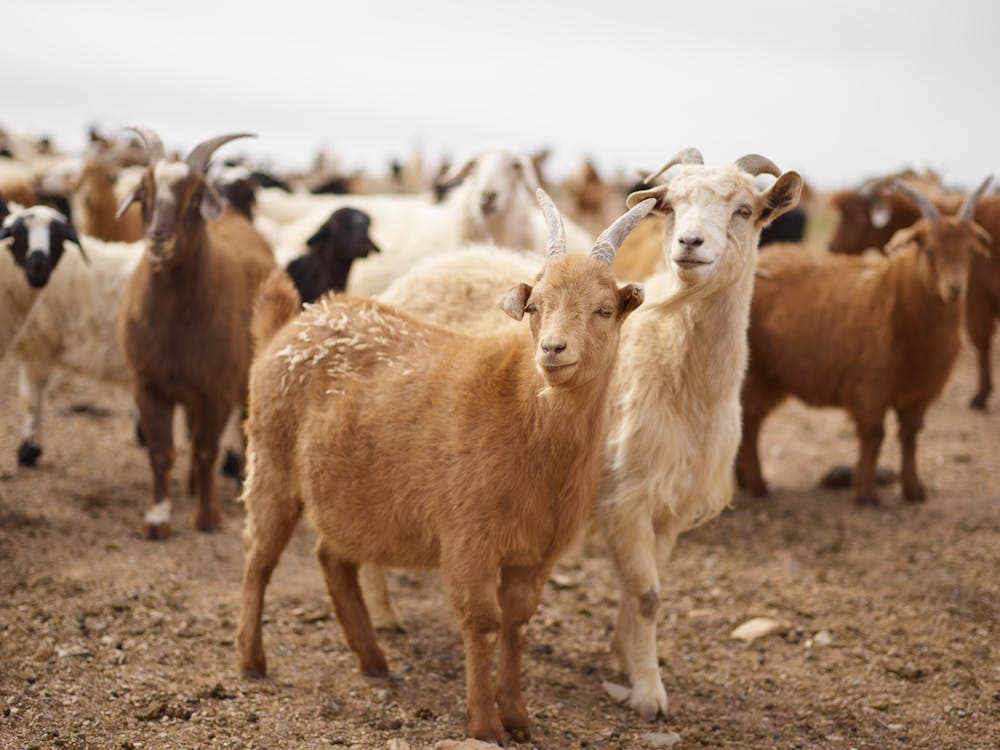
How much does a goat cost? In most regions, a goat typically costs anywhere from about $75 to $1,000+ to purchase, with simple pet or companion wethers on the low end, registered dairy goats in the middle, and proven breeding or show stock at the top. The exact price depends heavily on breed, age, registration, bloodlines, health testing, and where you live, so think in ranges rather than a single number.
Just as important: the purchase price is only the down payment. Feed, hay, minerals, vet care, fencing, and shelter add up over the life of the animal, so the smartest buyers budget for the first year, not just the first day.
Key takeaways:
- A basic pet or companion goat often costs $75–$250, registered dairy goats commonly run $300–$800, and breeding or show animals can climb past $1,000.
- Registration, age, bloodlines, health testing, and your region move the price more than the breed name alone.
- Ongoing costs (feed, minerals, hooves, deworming, vet) usually matter more to your budget than the one-time purchase price.
All dollar figures below are general ranges that vary by region, breed, season, and year. Treat them as planning estimates, not guarantees, and always compare prices among reputable sellers near you.
Quick Price Overview by Goat Type
Before breaking things down breed by breed, it helps to see the landscape by purpose. Goats sold as pets are priced very differently from registered dairy does or proven herd sires.
| Goat type | Typical price range (each) | What you're paying for |
|---|---|---|
| Pet / companion wether (neutered male) | $75 – $250 | Friendly temperament, often unregistered |
| Unregistered doe or buck (general purpose) | $100 – $350 | Useful animal, no papers or pedigree |
| Registered dairy goat (doe) | $300 – $800 | Pedigree, breed standard, milk potential |
| Registered/proven breeding buck | $400 – $1,000+ | Genetics passed to whole herd |
| Show-quality / champion bloodlines | $800 – $2,500+ | Conformation, awards, elite genetics |
| Meat goat kids (weaned, commercial) | sold by the pound; varies widely | Growth rate and market weight |
These are general ranges only and shift with the season, your region, and the year. Purpose, not prestige, sets the baseline.
Pet and Companion Goats: The Most Affordable Entry Point
If you simply want goats for company, brush-clearing, or as friendly homestead pets, you're shopping at the lower end of the market.
Wethers (castrated males) are the classic budget-friendly, low-maintenance pet. Because they can't breed and don't come into rut, they tend to be calm and inexpensive, often $75 to $250 each. Many breeders sell wethers cheaply specifically to find good homes for males that won't be used for breeding.
A few things that keep companion-goat prices low:
- No registration or papers in most cases.
- Males rather than does, since does hold more breeding value.
- Mixed or unknown breeding rather than a documented pedigree.
Remember that goats are herd animals and should never live alone, so budget for at least two. If you're new to all this, our guide to the best goat breeds for beginners walks through which types are easiest to start with, and how to choose goat breeds helps match a breed to your goals before you spend a dollar.
Registered Dairy Goat Prices by Breed
Dairy breeds are where most first-time buyers feel sticker shock, because a registered doe with milk potential is a working animal, not just a pet. Registration with a recognized dairy goat association adds real value: it documents the pedigree and lets you participate in shows and milk-recording programs.
Here are general purchase ranges for popular dairy breeds. Registered animals sit at the higher end of each range; unregistered ones sit lower.
| Dairy breed | Typical doe price range | Notes |
|---|---|---|
| Nigerian Dwarf | $150 – $600 | Small, popular, rich milk; wide price spread |
| Nubian | $250 – $800 | High-butterfat milk, very common |
| Alpine | $250 – $700 | Hardy, strong producers |
| Saanen | $300 – $800 | Heavy milk volume |
| LaMancha | $300 – $800 | Calm temperament, steady milkers |
| Oberhasli | $300 – $700 | Less common, attractive coloring |
| Toggenburg | $250 – $700 | Old, established dairy breed |
A few patterns hold across breeds. Does in milk or bred does cost more than dry yearlings, and animals from herds with strong milk records or champion ancestry command a premium. Smaller, trendy breeds like the Nigerian Dwarf often have an unusually wide spread because demand is high and quality varies a lot from seller to seller.
If milk is your main goal, read our roundups of the best dairy goat breeds and the best goat breeds for milk production before committing, since a slightly higher purchase price for a proven milker can pay off over years of lactation.
Meat Goat Prices: Boer, Kiko, and Crosses
Meat goats are usually priced differently from dairy goats. Commercial meat kids are frequently sold by weight rather than as a flat per-head price, especially through auctions and sale barns, so the "cost" of a goat tracks the live-weight market at that moment.
For breeding and seedstock meat goats:
- Commercial (unregistered) does and bucks of meat breeds often run $150 to $400 each.
- Registered Boer or Kiko breeding stock commonly ranges from $300 to $800, with standout animals going higher.
- Elite show Boers and proven herd sires can reach well past $1,000, occasionally far more for top genetics.
The Boer is the best-known meat breed, prized for fast growth and heavy muscling, while the hardy, parasite-resistant Kiko is popular with low-input producers. Crossbred commercial kids are usually the most affordable way into meat production. Our guide on how to raise meat goats covers what to look for in a healthy, growthy kid.
What Makes One Goat Cost More Than Another?
Two goats of the same breed can differ in price by hundreds of dollars. Here are the factors that move the number, roughly in order of impact.
Registration and Pedigree
A registered animal comes with documented ancestry from a recognized breed association. That paperwork unlocks shows, registered offspring, and buyer confidence, so registered goats almost always cost more than unregistered "grade" animals of the same breed and quality.
Age and Stage
- Bottle babies and young kids are often cheaper up front but require more labor and a longer wait before they produce.
- Bred does and does in milk cost more because they deliver value sooner.
- Proven animals with a track record of healthy kids or strong milk yields carry a premium over unproven youngsters.
Bloodlines and Production Records
Goats descended from champions, heavy milkers, or fast-growing meat lines fetch more. Milk records, show wins, and well-known herd names all add value because buyers are paying for predictable genetics, not just the individual animal.
Health Testing and Herd Status
This is one of the most underrated price drivers. Reputable breeders test for diseases such as CAE, CL, and Johne's and can show negative herd results. Goats from a tested, "clean" herd cost more, and they are worth it: bringing an untested animal home can introduce a chronic disease to your whole herd. Always ask about testing, and review common goat diseases so you know what questions to raise before you buy.
Region and Season
Prices vary widely by location and time of year. Areas with many breeders tend to be cheaper than remote regions where goats are scarce, and spring, when kids hit the ground in large numbers, often brings softer prices than the off-season.
Conformation and Quality
Correct structure, good udder attachment in does, sound feet and legs, and overall health all raise an animal's value. A structurally sound goat stays productive longer, which is why experienced buyers pay more for it.
The Real Cost: Ongoing Expenses After You Buy
The purchase price is only the beginning. For most owners, what a goat costs to keep dwarfs what it cost to buy. Plan for these recurring and one-time expenses.
Feed, Hay, and Pasture
Good-quality hay is the foundation of the goat diet, and forage is the single largest ongoing cost for most herds. Costs swing with hay prices in your area and how much pasture you have. Grain or pelleted feed is added for milkers, growing kids, and pregnant does, but the rumen depends on long-fiber forage, so hay can't be skipped. Our feeding goats guide breaks down what to feed and how much.
Minerals and Supplements
Goats need free-choice loose minerals formulated for goats, not sheep, since goats specifically require added copper. This is a modest but non-negotiable monthly cost. See goat minerals and supplements for the details on what to provide.
Water
Clean, fresh water must be available at all times, and intake rises sharply for milking does and in hot weather. Factor in troughs, buckets, and possibly a heated waterer for winter. Our overview of goat water requirements explains how much they actually drink.
Routine Health Care
Year-round herd care includes:
- Hoof trimming every several weeks.
- Strategic deworming based on need rather than the calendar, ideally guided by fecal checks.
- Vaccinations such as the common CD&T.
- Occasional vet visits for illness, kidding help, or emergencies.
Work with a veterinarian to set a health plan suited to your area; they can advise on which parasites and diseases are local concerns. A goat-specific first aid kit handles the small problems before they become vet bills.
Housing and Fencing
These are large one-time costs that protect your investment. Goats need dry, draft-free shelter and, above all, secure fencing. Fencing is frequently the biggest single startup expense because goats are famous escape artists and predators are a constant threat. Costs range enormously with the size of your setup and whether you build it yourself.
Putting It Together
To see how these line items stack up for a real herd, our breakdown of the cost to raise 10 goats puts realistic annual numbers to feed, healthcare, housing, and maintenance. If you're treating this as a venture rather than a hobby, how to start a goat farming business covers turning those costs into a workable plan.
A Sample First-Year Budget Framework
Rather than quote a single total, it's more useful to budget in buckets. Here's a framework for two starter goats; scale it up for a larger herd.
| Budget bucket | What it includes | Notes |
|---|---|---|
| Purchase | The goats themselves | Buy at least two; they need company |
| Shelter | Three-sided shed or small barn | Often DIY to save money |
| Fencing | Perimeter and any cross-fencing | Frequently the biggest startup line |
| Feed and hay | Year-round forage and grain | Largest recurring cost |
| Minerals and water gear | Loose minerals, troughs, buckets | Small but essential |
| Health care | Hooves, deworming, vaccines, vet | Plan an emergency cushion |
Fill in dollar amounts using local quotes, since each bucket varies by region, breed, and year. The point is to enter goat ownership with eyes open: the animal that costs $200 to buy may cost considerably more to house, feed, and keep healthy in its first year.
Frequently Asked Questions
How much does a baby goat cost?
A baby goat, or kid, typically costs less than an adult, often in the range of about $75 to $300 depending on breed and registration. Registered kids from quality dairy or meat lines cost more, while unregistered wethers are usually cheapest. Remember that bottle babies need extra labor and time before they're productive.
Why are registered goats so much more expensive?
Registration documents an animal's pedigree through a recognized breed association, which lets you show the goat, register its offspring, and prove its lineage to buyers. That paperwork, combined with the proven genetics it usually represents, adds real value. For breeding or show goals, the premium is often worth it; for a pasture pet, it may not be.
Is it cheaper to buy one goat or several?
You should never buy just one goat, because goats are herd animals that suffer when kept alone. Buying two or more is the minimum for their welfare, and many breeders offer slightly better per-head pricing on pairs or groups. Plan your budget around at least two animals from the start.
What hidden costs do new goat owners forget?
The most commonly overlooked costs are fencing, year-round hay during seasons with no pasture, goat-specific loose minerals, and emergency vet care. Health testing status is another factor: a cheap, untested goat can cost you far more later if it introduces disease to your herd. Budgeting for the first full year, not just the purchase, prevents nasty surprises.
Do goat prices change by season?
Yes. Prices often soften in spring when many kids are born and supply is high, and can rise in the off-season or in regions where goats are scarce. Local demand, your distance from breeders, and the current meat market all influence what you'll pay, which is why every figure here is a general range rather than a fixed price.
Final Thoughts
So, how much does a goat cost? Plan on roughly $75 to $1,000 or more per animal to buy, with the exact figure driven by breed, age, registration, bloodlines, health testing, and your region far more than by any single price tag online. Pet wethers anchor the low end, registered dairy does sit in the middle, and proven breeding and show stock top the range.
The wiser question is what a goat costs to keep. Feed, hay, minerals, fencing, shelter, and routine health care are where your money truly goes over the years. Buy from a reputable, disease-tested herd, budget for the full first year, and choose the breed that fits your goals, and you'll spend your money where it counts: on healthy, productive animals that are a pleasure to own.

About Dr. Elma K. Johnson
Expert farmers and veterinarians with over 20 years of experience in goat farming and animal husbandry.
Related Articles
How to Raise Meat Goats: A Complete Guide to Profitable Meat Goat Farming
Learn how to raise meat goats for profit, including best breeds like Boer and Kiko, feeding requirements, housing needs, and marketing strategies for your meat goat operation.