Goat Water Requirements: How Much Water Do Goats Need Daily?
Learn exactly how much water goats need daily, factors that affect consumption, water quality guidelines, and tips for ensuring your goats stay properly hydrated year-round.

Dr. Elma K. Johnson
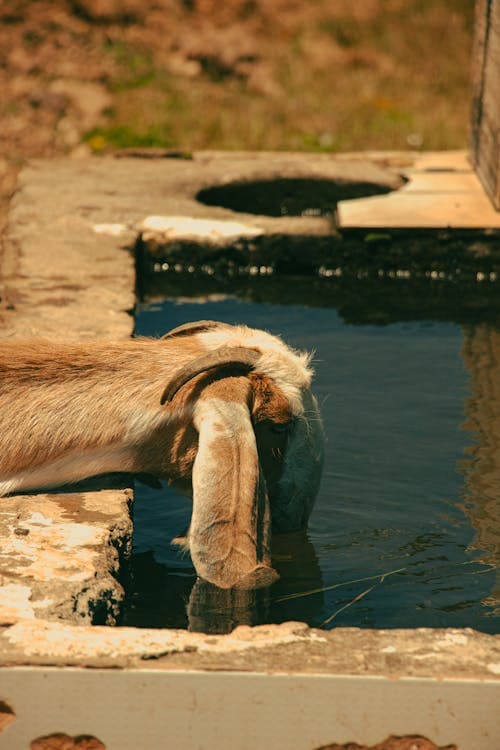
Water is the single most important nutrient for goats - more critical than any grain, hay, or mineral supplement you can provide. A goat can survive for weeks without food, but only a few days without water. Despite this, water management is one of the most overlooked aspects of goat husbandry. Proper hydration affects everything from milk production and digestion to body temperature regulation and overall herd health. Whether you are raising a small backyard herd or managing a large commercial operation, understanding your goats' water requirements is fundamental to keeping them healthy and productive.
How Much Water Do Goats Need?
The amount of water a goat needs each day depends on its size, life stage, and purpose. Here are general guidelines to work from:
- Standard adult goats (100–150 lbs): 2 to 4 gallons per day
- Lactating does: 4 to 6 gallons per day, sometimes more during peak lactation
- Pregnant does (late gestation): 3 to 5 gallons per day
- Bucks: 2 to 4 gallons per day, increasing during rut season
- Kids (under 6 months): 0.5 to 1.5 gallons per day, depending on whether they are still nursing
- Miniature breeds (Pygmy, Nigerian Dwarf): 1 to 2 gallons per day
These numbers can shift dramatically based on environmental conditions. A lactating doe in midsummer heat may drink well over 6 gallons per day, while the same doe in cool autumn weather might only consume 3 gallons. The key takeaway is that goats should always have unrestricted access to fresh, clean water. Never ration water or assume your goats are drinking enough simply because the trough is not empty.
It is also worth noting that water intake is closely tied to feed consumption. Goats that do not drink enough water will eat less, which leads to weight loss, reduced milk production, and poor overall condition. If you notice your herd eating less than usual, check the water supply first. For a deeper look at building a balanced nutrition program, see our feeding goats guide.
Factors That Affect Water Consumption
Several variables influence how much water your goats will drink on any given day:
- Ambient temperature: Water consumption increases significantly when temperatures rise above 80°F. In extreme heat, goats may double their normal intake. Learn more about managing your herd during hot weather in our guide on how to prevent heat stress in goats.
- Diet composition: Goats eating dry hay and grain require considerably more water than those grazing on lush, moisture-rich pasture. Dry matter content of the diet is one of the strongest predictors of water intake.
- Lactation status: Milk is roughly 87% water. A doe producing a gallon of milk per day needs at least an additional gallon of water just to replace what leaves her body as milk - on top of her baseline needs.
- Pregnancy: Does in late pregnancy have increased water demands to support fetal development and amniotic fluid production.
- Activity level: Goats that browse across large pastures or hilly terrain will drink more than those kept in smaller pens.
- Salt and mineral intake: Minerals and salt blocks stimulate thirst and increase water consumption, which is actually beneficial for overall hydration. Make sure water is always available near mineral stations.
- Health status: Sick goats, particularly those with diarrhea or fever, can become dehydrated rapidly. Monitoring water intake is an important part of tracking illness. Our article on common goat diseases covers conditions where dehydration is a serious concern.
Water Quality Matters
Providing enough water is only half the equation. Water quality is just as important as water quantity. Goats are notoriously picky drinkers and will often refuse water that smells off, tastes stale, or looks dirty - even when they are thirsty.
Here is what to watch for:
- Bacterial contamination: Standing water can harbor harmful bacteria like E. coli and Salmonella. Scrub troughs and buckets at least twice per week, more often in warm weather.
- Algae growth: Green algae blooms in troughs are common during summer. Some blue-green algae species produce toxins that can be fatal to goats. Keep troughs out of direct sunlight when possible and clean them regularly.
- Nitrates and sulfates: If your water comes from a well, have it tested annually. High nitrate levels (above 100 ppm) are dangerous, particularly for pregnant does and young kids.
- pH levels: Ideal water pH for goats is between 6.5 and 8.5. Excessively acidic or alkaline water can reduce intake and cause digestive issues.
- Heavy metals: Lead, arsenic, and mercury can leach into water from old pipes, industrial runoff, or natural geological sources. Annual testing is inexpensive and well worth the investment.
A good rule of thumb: if you would not drink the water yourself, do not expect your goats to drink it either. Clean, fresh water encourages higher consumption and supports better health outcomes across the board.
Water Sources and Equipment
Choosing the right watering system depends on your herd size, budget, and management style. Here are the most common options:
- Buckets: Simple and inexpensive. Best for small herds or individual pens. The downside is that buckets tip over easily and need frequent refilling. Use flat-backed buckets mounted to a wall or fence to reduce spills.
- Troughs: Suitable for larger herds. Rubber or galvanized steel troughs are durable and easy to clean. Choose a size that provides at least one gallon of capacity per goat in the group.
- Automatic waterers: The most convenient option for larger operations. These connect to a water line and refill automatically as goats drink. They save labor but require regular inspection to ensure the float valve is working properly.
- Nipple waterers: Common in dairy goat operations. They reduce contamination since goats drink directly from the nipple rather than a shared basin. However, some goats need time to learn how to use them.
- Heated waterers and tank heaters: Essential in climates where temperatures drop below freezing. Submersible tank heaters, heated bases, and insulated automatic waterers all help prevent ice formation. We cover cold-weather management strategies in detail in our guide on preparing goats for winter.
Regardless of the system you choose, place water sources in shaded areas during warm months and in sheltered areas during winter. Goats prefer water that is moderate in temperature - not too cold, not too warm. Studies show goats drink more when water temperature is between 50°F and 65°F.
Seasonal Water Management
Water management is not a set-it-and-forget-it task. Your approach should shift with the seasons.
Summer Hydration Tips
Summer heat poses the greatest hydration risk for goats. During periods of high temperatures and humidity, follow these practices:
- Check water levels at least twice daily. Consumption can spike unexpectedly during heat waves.
- Provide multiple water stations so that dominant goats cannot prevent lower-ranking herd members from drinking.
- Add a second water source in pastures so goats do not have to walk far to drink. Goats will sometimes choose not to walk to a distant water source during extreme heat.
- Clean troughs more frequently. Warm water grows bacteria and algae much faster. A thorough scrubbing every two to three days is a good baseline.
- Consider adding electrolytes to one water source during extreme heat events (always keep a plain water option available as well).
For a comprehensive approach to warm-weather management, read our full article on how to care for goats in summer.
Winter Water Challenges
Cold weather creates a different set of problems. Goats tend to drink less when water is ice-cold, which can lead to impaction, reduced feed intake, and decreased milk production.
- Break ice or use heated waterers. Goats need access to liquid water at all times. Checking twice daily is the bare minimum in freezing conditions.
- Offer warm water in the morning. Many goat keepers report that their herds drink noticeably more when offered lukewarm water (around 100°F) on cold mornings.
- Insulate pipes and hoses to prevent freeze-ups in your water delivery system.
- Monitor intake closely. A goat that stops drinking in winter is at risk for urinary calculi (especially bucks and wethers) and digestive blockages.
- Keep water sources near shelter. Goats are less likely to venture out into wind, rain, or snow to reach a distant water trough.
Signs of Dehydration in Goats
Recognizing dehydration early can save your goat's life. Watch for these warning signs:
- Skin tent test: Pinch a fold of skin on the goat's neck or shoulder and release it. In a well-hydrated goat, the skin snaps back immediately. If the skin stays tented for 2 to 5 seconds, the goat is moderately dehydrated. If it takes longer than 5 seconds, the situation is serious and requires immediate intervention.
- Sunken eyes: Dehydrated goats develop a hollow, sunken appearance around the eyes. This becomes noticeable at around 5% dehydration.
- Dry or tacky mucous membranes: Check the gums and inner lips. They should be moist and slippery. Dry, sticky gums indicate dehydration.
- Lethargy and weakness: A dehydrated goat will be dull, reluctant to move, and may separate from the herd.
- Reduced or absent urination: If you notice a goat is not urinating normally, dehydration may be the cause.
- Decreased appetite: Since water and feed intake are linked, a goat that is not drinking will usually stop eating as well.
- Thick, dark urine: When a goat does urinate, concentrated and dark-colored urine is a clear sign of inadequate water intake.
If you suspect moderate to severe dehydration, offer water immediately and contact your veterinarian. Severely dehydrated goats may need subcutaneous or intravenous fluids to recover.
Tips for Encouraging Water Intake
Some goats are naturally reluctant drinkers, and certain situations - such as moving to a new farm or recovering from illness - can suppress water intake. Here are practical strategies to encourage your goats to drink more:
- Keep water fresh. Change water in buckets daily and scrub containers regularly. Goats have a keen sense of smell and will reject stale water.
- Maintain multiple water stations. Herd dynamics matter. Subordinate goats may avoid a water source if a dominant goat is guarding it.
- Offer water at a comfortable temperature. Cool (not icy) water in summer and lukewarm water in winter will encourage higher intake.
- Ensure free-choice access to loose minerals and salt. Salt drives thirst, which drives water consumption. Use loose goat-specific minerals rather than blocks, as goats consume loose minerals more effectively.
- Flavor the water if needed. During transitions - such as when traveling to shows or moving to a property with different-tasting well water - adding a small amount of apple cider vinegar or molasses can mask unfamiliar flavors and encourage drinking.
- Place water near feeding areas. Goats naturally want to drink during and after eating. Keeping water close to hay feeders and grain stations makes it convenient.
- Reduce contamination. Elevate water containers slightly off the ground to prevent goats from standing in them or fouling the water with droppings.
Water management may not be the most glamorous part of goat keeping, but it is arguably the most important. By understanding how much your goats need, providing clean and accessible water year-round, and watching for signs of dehydration, you set the foundation for a healthy, productive herd. Make water a priority every single day, and your goats will reward you with better health, stronger growth, and higher productivity.

About Dr. Elma K. Johnson
Expert farmers and veterinarians with over 20 years of experience in goat farming and animal husbandry.
Related Articles
Goat Lifespan: How Long Do Goats Live and What Affects It
How long do goats live? Most goats reach 10-15 years. Learn how breed, sex, and care affect goat lifespan, plus practical tips to help yours live longer.