Goat Kidding Guide: How to Help Your Goat Give Birth Safely
A complete guide to goat kidding covering signs of labor, preparing a birthing area, assisting with delivery, and caring for newborn kids in their first critical hours.

Dr. Elma K. Johnson
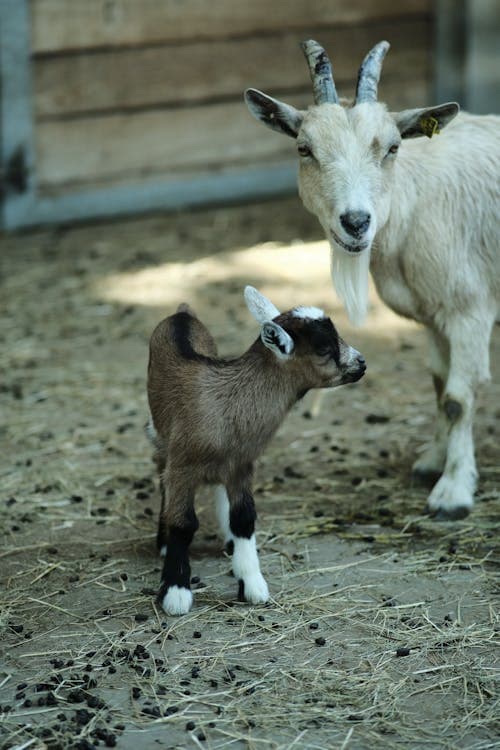
Kidding is one of the most important and high-stakes events you will face as a goat owner. Whether you have been raising goats for decades or are waiting on your first doe to deliver, the process demands preparation, calm nerves, and a working knowledge of what is normal and what is not. Most goats kid without any trouble at all - but the ones that do need help need it fast, and knowing what to do in those moments can mean the difference between life and death for the doe and her kids. This guide walks through the entire process from pre-kidding preparation to post-birth care so you can approach the season with confidence.
Preparing for Kidding Season
A goat's gestation period averages about 150 days, though it can range from 145 to 155 days depending on the breed and individual animal. If you know your doe's breeding date, mark your calendar at day 145 and consider that your "on alert" date. If you are unsure of the breeding date, brush up on the signs of pregnant goat so you can estimate where she is in her pregnancy based on physical changes.
About four to six weeks before the expected due date, start gathering your kidding supplies. Having everything ready and in one place removes the panic of searching for scissors at two in the morning while a kid is halfway out.
Essential kidding supply list:
- Clean towels - at least a dozen old towels for drying kids and cleaning up
- Iodine (7% tincture) - for dipping the umbilical cord
- Dental floss or umbilical clamps - in case the cord needs to be tied off
- Sharp, sterile scissors - for cutting the cord if the doe does not break it
- Bulb syringe or nasal aspirator - for clearing mucus from airways
- OB lube - essential if you need to assist with delivery
- Disposable gloves (shoulder-length OB gloves) - for internal checks or repositioning kids
- Molasses or Nutri-Drench - to give the doe energy during or after a long labor
- Heat lamp or hair dryer - for cold-weather kidding
- Colostrum replacer - frozen colostrum from a previous year is even better, but have a commercial replacer on hand as a backup
- Flashlight and headlamp - goats love kidding at night
- Your veterinarian's phone number posted on the barn wall
Setting Up the Kidding Stall
About two weeks before the due date, prepare a kidding stall or pen that is at least 5 by 5 feet - larger for big breeds. The stall should be:
- Draft-free but well ventilated. Stale, ammonia-heavy air is a respiratory hazard to newborns.
- Deeply bedded with clean straw. Avoid shavings for kidding stalls because they stick to wet newborns and can be inhaled.
- Dry and private. Does prefer a quiet, secluded spot. Stress from other animals or too much human activity can stall labor.
- Equipped with a water bucket and hay rack placed where a newborn kid cannot fall into the water.
If you are kidding during winter months, hang a heat lamp securely above one corner of the stall. Make sure the lamp is fastened in a way that it absolutely cannot fall into the bedding - barn fires from heat lamps are tragically common.
Signs of Labor in Goats
Knowing what to watch for will save you from either missing the birth entirely or hovering over a doe who is not actually in labor yet. The signs unfold in a rough sequence, though every doe is a little different.
Early signs (days to hours before labor):
- Ligaments around the tail relax. If you press on either side of the tail head and the ligaments feel soft or you can almost wrap your fingers around the spine, she is getting close. Some breeders check these ligaments daily starting at day 140.
- Udder fills and becomes tight. This can happen gradually over a couple of weeks or seemingly overnight.
- Vulva becomes swollen and elongated.
- Mucus discharge - a long, clear string of mucus often appears 24 to 48 hours before active labor.
- Restlessness. She may paw at the ground, get up and lie down repeatedly, talk to her belly, or separate herself from the herd.
- Loss of appetite in the final 12 to 24 hours, though some does eat right up until pushing begins.
Active labor signs:
- Contractions - visible tightening of the abdomen, often with the doe arching her back or straining
- Heavy, rhythmic pushing - she may lie on her side or stand with her back legs braced
- The appearance of the amniotic sac (the "water bag"), which is a fluid-filled bubble visible at the vulva
Once you see the water bag or active pushing, delivery usually follows within 30 to 45 minutes for the first kid. If she has been pushing hard for an hour with no progress, it is time to investigate.
The Kidding Process
Labor in goats happens in three stages.
Stage 1: Early labor. The cervix dilates and the doe may show the early signs described above. This stage can last 4 to 12 hours, sometimes longer with first-time mothers. There is not much to do here except keep an eye on her and make sure she has access to water.
Stage 2: Active labor and delivery. Once heavy pushing starts, you should see the first kid within about 30 minutes. The normal presentation is front feet first, with the nose resting on the front legs - sometimes called the "diving position." You will usually see two little hooves emerge, followed by a nose, and then the rest of the kid slides out relatively quickly once the shoulders pass.
After the first kid is delivered, the doe may rest for a few minutes to an hour before delivering the next. Twins are the most common outcome in dairy breeds, and triplets are not unusual. If you know she has more kids inside (based on prior ultrasound or the way she continues contracting), give her time but monitor her.
Stage 3: Passing the placenta. The afterbirth is usually expelled within 1 to 4 hours after the last kid is born. Do not pull on it. Let it come naturally. If it has not passed within 12 hours, contact your veterinarian because a retained placenta can lead to serious infection.
When to Intervene
Leave a doe alone as long as labor is progressing normally. Intervene if:
- She has been pushing hard for 30 to 45 minutes with nothing visible at the vulva
- The water bag appeared more than an hour ago with no kid following
- You see only one foot or a tail - this indicates a malpresentation
- The kid is stuck at the shoulders or hips after the head has emerged
- The doe is exhausted, grinding her teeth, or crying out in obvious distress
- There is excessive bleeding (more than a slow trickle of bright red blood)
Assisting with Difficult Births
If you need to go in, wash your hands and arms thoroughly, put on OB gloves, and apply plenty of lubricant. Work gently - a goat's reproductive tract is not large, and rough handling can tear tissue.
Common malpresentations and what to do:
- One leg back: The most frequent problem. Gently push the kid back slightly, reach in, find the bent leg, cup the hoof in your hand (to protect the uterine wall), and bring it forward so both legs are extended. Then allow the doe to push.
- Head back, both legs out: Push the legs back in, find the head, and gently guide it into position between the front legs. This can be difficult in a tight space.
- Breech (tail first, no legs): You need to reach in, find the hind legs, and bring them into the birth canal one at a time. Breech deliveries can be urgent because the umbilical cord may be compressed.
- Two kids tangled together: Feel carefully to determine which legs belong to which kid. Push one back and deliver the other first.
If you cannot reposition a kid within 10 to 15 minutes of trying, call your veterinarian immediately. Prolonged manipulation without progress causes swelling that makes the situation worse.
Caring for Newborn Kids
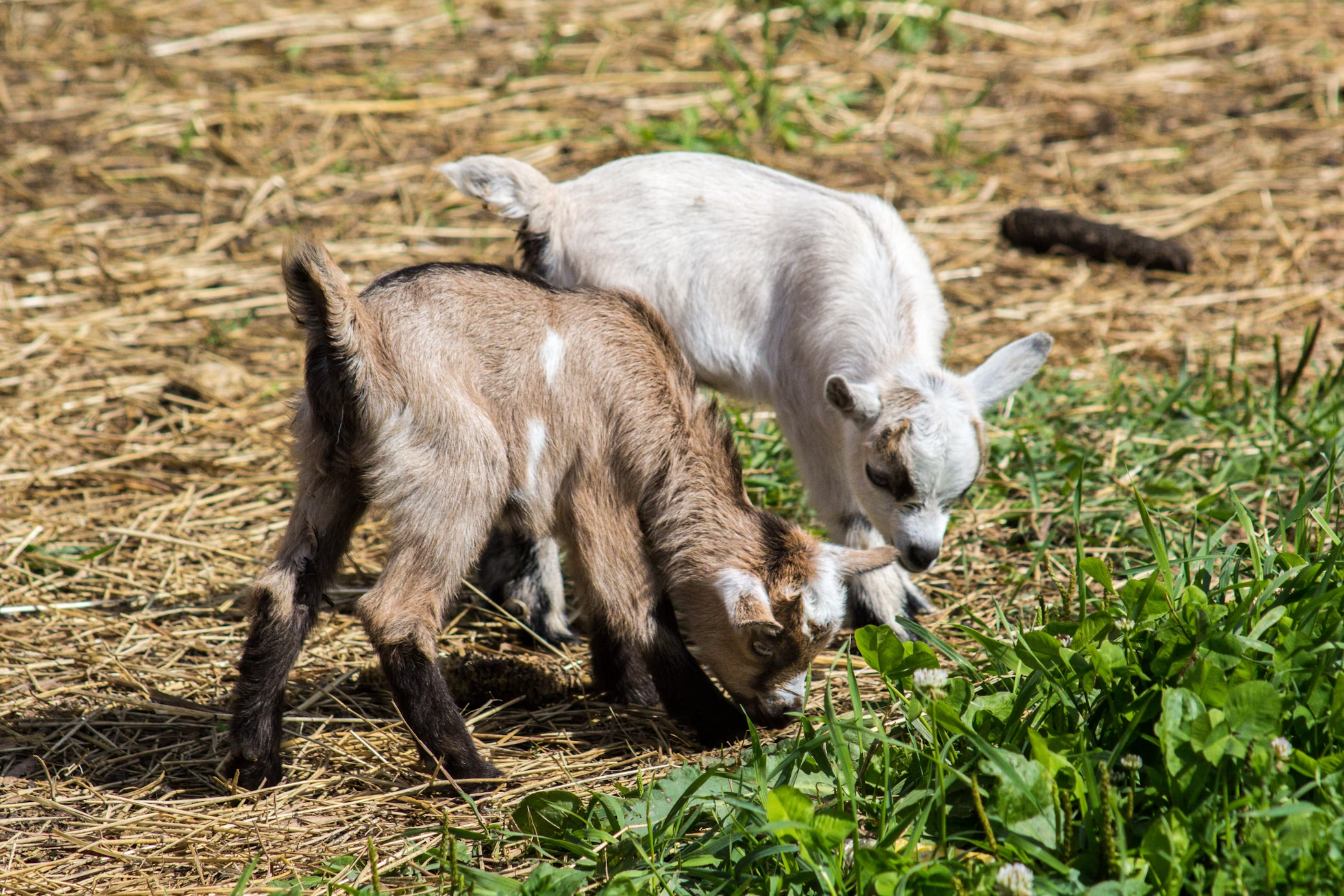
The first hours of a kid's life are critical. Here is what to do once a kid hits the ground.
Immediate care:
- Clear the airways. Remove any membrane from the kid's face. Use a bulb syringe to suction mucus from the nostrils and mouth if the kid is gurgling or struggling to breathe. Holding a small kid briefly upside down by the hind legs can also help drain fluid.
- Stimulate breathing. Rub the kid vigorously with a clean towel. The friction stimulates circulation and breathing. If the kid is limp and not breathing, tickle the inside of a nostril with a piece of straw.
- Dry the kid thoroughly. Wet kids lose body heat dangerously fast, especially in cold weather. Towel-dry and place the kid near a heat source if temperatures are below 50 degrees Fahrenheit.
- Dip the umbilical cord. Submerge the navel stump in 7% iodine solution. This is a simple step that prevents navel ill (joint ill), a bacterial infection that can be fatal. Dip it again 12 hours later.
- Make sure the kid nurses within the first hour. Colostrum - the thick, yellowish first milk - is non-negotiable. It provides antibodies the kid cannot get any other way because goats do not transfer immunity across the placenta. A kid needs roughly 10% of its body weight in colostrum within the first 24 hours, with the first feeding ideally within 30 to 60 minutes of birth.
If the kid is too weak to stand and nurse, milk the doe and feed the kid with a bottle or a feeding syringe. For more on this topic, see our guide on bottle feeding baby goats. If the doe has no milk or rejects the kid, thawed frozen colostrum or a commercial colostrum replacer (not a supplement - a replacer) will work.
Common Newborn Problems
- Hypothermia: A chilled kid becomes limp and cold to the touch, especially around the ears and inside the mouth. Warm it slowly using warm towels, a hair dryer on low heat, or a warm water bath (keep the head above water). Severely hypothermic kids may need a warm dextrose solution administered under the skin by a veterinarian.
- Floppy Kid Syndrome: Appears at 3 to 10 days old. Kids suddenly become weak and unable to stand. The exact cause is debated, but it is often linked to overeating. Treatment involves oral baking soda solution and reducing milk intake temporarily. See common goat diseases for a more detailed discussion.
- Failure to pass meconium: The first stool should pass within 24 hours. If it does not, a small warm water enema can help.
- Selenium deficiency (White Muscle Disease): In selenium-deficient regions, kids may be born weak with stiff or trembling muscles. Your veterinarian may recommend a BoSe injection at birth in these areas.
As your kids grow, you will also need to plan for how to disbud goat kids if you choose to do so, typically between 3 and 14 days of age depending on breed. Our guide on caring for goat kids covers feeding schedules, weaning, and socialization in detail.
Post-Birth Care for the Doe
Once the kids are dried, nursing, and stable, turn your attention back to the mother.
- Offer warm water with molasses. Kidding is exhausting work, and the sugar and fluids help her recover. Most does will drink eagerly.
- Provide good-quality hay and grain. She needs calories to begin producing milk. Gradually increase her grain ration over the first two weeks to support lactation without causing digestive upset.
- Check for additional kids. Gently press on her abdomen. If it still feels full or she continues to contract, there may be another kid. It is not unheard of for a surprise triplet to arrive an hour after everyone thought kidding was over.
- Monitor the placenta. Note when it passes and examine it if possible. A retained placenta requires veterinary attention. Once it passes, remove it from the stall - some does will try to eat it, which is natural but can cause choking.
- Watch for signs of infection or complications. In the days following birth, monitor the doe for fever (normal temperature is 101.5 to 103.5 degrees Fahrenheit), foul-smelling discharge, loss of appetite, or lethargy. Metritis (uterine infection) and ketosis (pregnancy toxemia lingering after birth) are both emergencies.
- Check her udder daily. A hot, hard, or lopsided udder may indicate mastitis. Caught early, mastitis can often be treated successfully, but left untreated it can destroy the udder tissue or become systemic.
Kidding season is demanding, sleep-depriving, and occasionally heartbreaking - but watching a healthy kid stand on wobbly legs and nurse for the first time is one of the most rewarding experiences in animal husbandry. Prepare well, stay calm during delivery, and do not hesitate to call your veterinarian when something does not look right. Most of the time, your does will handle everything on their own. Your job is simply to be ready for the times they cannot.

About Dr. Elma K. Johnson
Expert farmers and veterinarians with over 20 years of experience in goat farming and animal husbandry.
Related Articles
Goat Gestation Period: How Long Are Goats Pregnant?
How long is the goat gestation period? Goats are pregnant about 145-155 days. Learn breed variation, stages, due-date math, and prenatal care.