Boer Goat vs Kalahari Red: Meat Breed Comparison
Boer goat vs Kalahari Red compared: appearance, growth rate, muscling, heat and parasite resistance, mothering, and best use. Find the right meat breed.

Dr. Elma K. Johnson
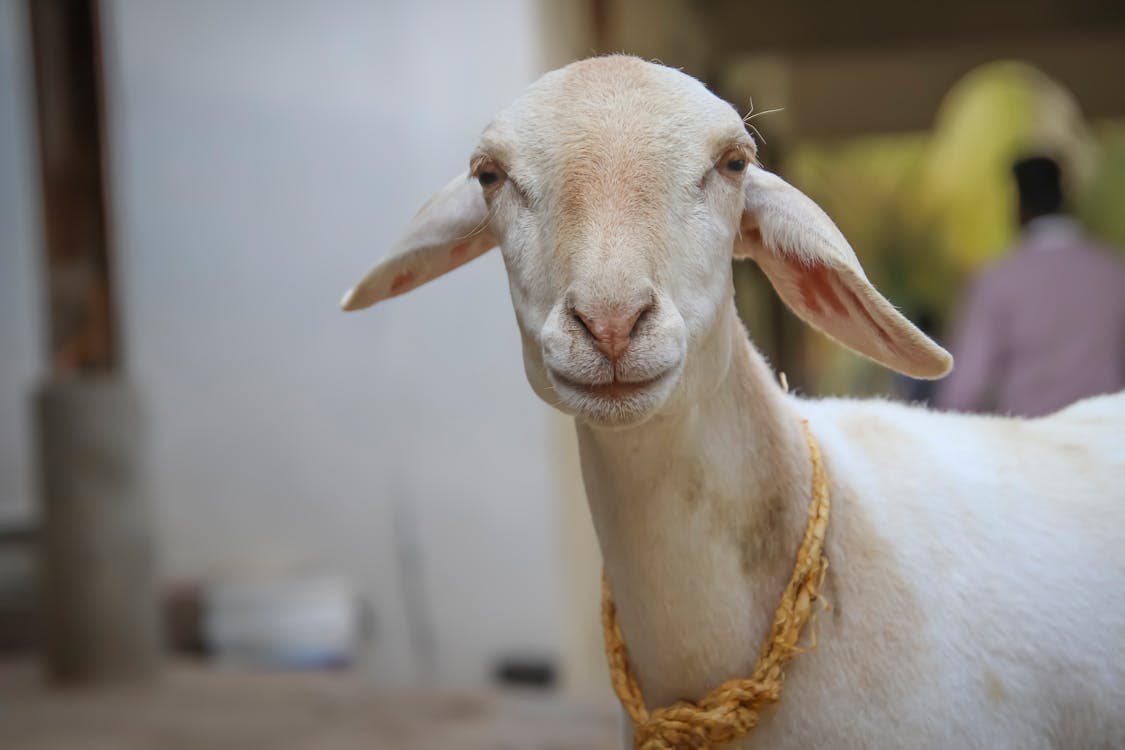
Both are South African meat breeds bred for muscle and profit, so the choice comes down to your management style and climate. In the Boer goat vs Kalahari Red comparison, the Boer is the better pick for fast growth and heavy, market-ready muscling in a well-fed, intensive setup, while the Kalahari Red wins for hardiness, heat and drought tolerance, parasite resistance, and the ability to thrive on extensive rangeland with minimal inputs. Both produce excellent meat carcasses, so neither is a wrong choice; the right one depends on whether you are feeding goats hard for maximum gain or running them on tough land where toughness pays.
Key takeaways:
- Boer goats are the global standard for meat: a white body with a distinctive red head, famous for rapid growth, broad heavy muscling, and fast market readiness when fed well.
- Kalahari Reds are solid red, which helps them blend into the bush and avoid predators, and they are prized for exceptional hardiness, heat and drought tolerance, parasite resistance, and self-sufficient foraging.
- Choose the Boer for intensive feedlot-style growth and showy conformation; choose the Kalahari Red for low-input, extensive rangeland systems in hot, dry, or parasite-heavy regions.
Boer Goat vs Kalahari Red: Side-by-Side Comparison
The table below summarizes the practical differences most meat-goat producers care about. Figures are general ranges for healthy, well-managed animals and vary by individual, bloodline, feed, and region.
| Feature | Boer Goat | Kalahari Red |
|---|---|---|
| Origin | South Africa (developed for meat) | South Africa (developed for arid rangeland) |
| Coat color | White body with a red (brown) head and neck | Solid red/brown, head to tail |
| Camouflage from predators | Limited; the white body stands out | Strong; red coat blends into bush and dry terrain |
| Body type | Heavily muscled, broad, deep, blocky frame | Muscled but leaner and more athletic; long legs |
| Growth rate | Very fast, especially with good feed | Good, generally slower than a well-fed Boer |
| Muscling / carcass | Exceptional; heavy, market-ready conformation | Solid meat yield; less extreme than the Boer |
| Heat tolerance | Good, but benefits from shade and management | Excellent; built for hot, arid conditions |
| Drought tolerance | Moderate; performs best with steady feed | Excellent; thrives on sparse forage |
| Parasite resistance | Moderate; needs a managed deworming plan | Noted for strong resistance and hardiness |
| Foraging ability | Good, but more feed-dependent for top gains | Excellent; self-sufficient browser on rough land |
| Mothering ability | Good; strong milkers and attentive dams | Excellent; hardy, protective, low-intervention dams |
| Best for | Intensive systems, fast gains, showy conformation | Extensive rangeland, low-input, harsh climates |
For the bigger picture on running goats for the freezer or market, see our guide on how to raise meat goats.
Appearance: Telling Them Apart
You can usually identify these two breeds at a glance by color, because their coats are completely different.
The Boer is the easy one to spot: a predominantly white body topped by a distinctive red (often a deep brown) head and neck, frequently with a white blaze running down the face. That two-tone pattern is the breed's signature look and is part of what makes a good Boer so striking in the show ring. The Boer's body is broad, deep, and blocky, with heavy muscling through the shoulders, loin, and hindquarters, plus pendulous ears and a strong Roman nose.
The Kalahari Red, as the name says, is solid red from head to tail, ranging from a light rust to a deep mahogany. That uniform coloring is not just cosmetic. In the breed's native bush and arid rangeland, a red coat blends into the dry vegetation and soil, which helps the goats avoid detection by predators while grazing in open country. The Kalahari Red is muscled but generally leaner and more athletic than the Boer, with longer legs and a frame built to travel and forage over rough ground.
Growth Rate and Muscling: The Boer's Strong Suit
For most meat producers, this category is the headline, so it deserves a close look.
Boer growth and conformation
The Boer was purpose-built as a meat machine, and it shows. Boers are known for rapid growth and heavy, broad muscling, and a well-fed Boer kid can reach market weight notably quickly compared with most other breeds. The conformation is the other half of the story: deep chests, thick loins, and full hindquarters translate into a high-yielding carcass that buyers recognize and pay for.
That growth potential is real, but it is also feed-driven. To get the fast gains and heavy finish the breed is famous for, Boers reward a steady, balanced ration and good management. In an intensive or semi-intensive system with quality forage and supplemental feed, the Boer is hard to beat for sheer pounds of muscle in a short time. Diet matters more than breed alone here, so a strong forage base plus the right minerals and supplements and reliable access to clean water will do a great deal for your gains.
Kalahari Red growth
Kalahari Reds are good, solid growers, but they were selected for survival and efficiency as much as for raw speed, so a well-fed Boer will generally outpace them on pure growth rate. Where the Kalahari Red shines is its ability to put on respectable gains on sparse, low-quality forage that would leave a high-maintenance breed struggling. The carcass is muscled and meaty, just not as extreme in conformation as a top Boer's.
In other words, the Boer wins a feed-rich growth race, while the Kalahari Red wins on efficiency and gain-per-input when feed is scarce and conditions are hard.
Hardiness, Heat, Drought, and Parasite Resistance: The Kalahari Red's Edge
If growth is the Boer's signature, toughness is the Kalahari Red's, and for many producers this single category settles the decision.
Kalahari Red hardiness
The Kalahari Red was developed in one of the harshest production environments on the planet, and the breed carries that selection in its constitution. It is widely noted for excellent heat and drought tolerance, strong parasite resistance, and an outstanding ability to forage and stay thrifty on rough, dry rangeland with minimal inputs. The dark, pigmented skin under the red coat also offers good protection against intense sun.
That hardiness has practical payoffs. A breed with natural parasite resistance can mean a lighter, better-targeted deworming program (always worked out with your veterinarian), and a goat that forages efficiently on marginal land lowers your feed bill. If you run goats extensively on brushy, arid, or low-input ground, the Kalahari Red's resilience is a genuine asset. Even so, no goat is immune to worms, so monitoring still matters; our guide on how to identify goat parasites covers the warning signs to watch for in any herd.
Boer hardiness
Boers are adaptable and reasonably hardy, and they are raised successfully in a wide range of climates around the world. But the breed is generally more management-dependent than the Kalahari Red. Boers typically benefit from better shade and shelter in heat, more attentive parasite control, and steadier nutrition to perform at their best, and in hot, humid, or parasite-heavy regions they can need a more active deworming and care plan.
This does not make Boers fragile; it makes them a breed that rewards good management. In a well-run operation with quality feed and a sound health program, Boers thrive almost anywhere. To keep either breed comfortable when temperatures climb, review our advice on how to care for goats in summer, and build out a sensible goat first aid kit before you need it.
Mothering Ability and Reproduction
Both breeds are good mothers, which is part of why both are commercially successful, but their strengths tilt in different directions.
Boer does are known as attentive dams and capable milkers, often raising fast-growing kids and frequently producing twins under good conditions. With their strong milk supply and willingness to mother, Boers do well in managed systems where the producer can keep a close eye on kidding and step in if needed.
Kalahari Red does carry the breed's hardiness right through reproduction. They are typically excellent, low-intervention mothers: they tend to kid easily, protect their young, and raise thrifty kids on pasture with little hands-on help. That self-sufficiency is exactly what you want in an extensive system where you cannot supervise every birth. For the fundamentals of a smooth kidding season with either breed, see our goat kidding guide.
Best Use Cases: Intensive vs Extensive Systems
There is no universally "better" breed here, only the better fit for your land, climate, and management style. Match yourself to the scenario below.
Choose the Boer if you want:
- Maximum growth rate and heavy muscling for fast, high-yield market kids.
- An intensive or semi-intensive system with quality forage and supplemental feed.
- Showy, prize-winning conformation for the show ring or seedstock sales.
- A breed with a deep global gene pool and strong buyer recognition.
Choose the Kalahari Red if you want:
- Hardiness in hot, dry, or harsh conditions with strong drought and heat tolerance.
- Low-input, extensive rangeland production on sparse or brushy land.
- Strong parasite resistance and efficient foraging that lowers feed and health costs.
- A camouflaged, self-sufficient breed with excellent low-intervention mothering.
Still unsure?
If you have good feed, can manage a herd closely, and want the fastest gains and best conformation, the Boer is the proven choice. If you run goats on tough, dry, or remote land and value resilience over peak growth, the Kalahari Red is built for exactly that. Many producers also cross the two, using Boer genetics to add muscling and growth to the Kalahari Red's hardiness, capturing some of both worlds. For a structured way to weigh breeds against your goals, our guide on how to choose goat breeds walks through the key questions.
Turning Either Breed Into Income
Whichever breed you pick, the path to profit runs through good management and smart marketing. A forage-first diet keeps the rumen healthy and the gains steady, secure fencing keeps athletic meat goats where they belong, and a sound parasite and hoof program protects your investment. Once you have quality animals to sell, knowing your channels matters as much as raising the stock; our guide on how to sell goat meat online covers reaching buyers beyond the local sale barn.
Pricing and returns for breeding stock and meat goats vary widely by region, breed, demand, and year, so treat any figures you hear as general and local. Registered Boer seedstock often commands a premium for proven conformation, while Kalahari Red genetics can carry a premium in regions where hardiness is at a premium. Either way, healthy, well-grown animals with good records sell best.
Frequently Asked Questions
Which grows faster, a Boer goat or a Kalahari Red?
The Boer goat generally grows faster, especially when fed well, because the breed was specifically selected for rapid growth and heavy muscling. The Kalahari Red is a solid grower but was bred more for hardiness and efficiency, so it tends to gain a bit slower while performing better on sparse forage. If pure growth rate on good feed is your goal, the Boer has the edge.
Why are Kalahari Red goats red?
The Kalahari Red's solid red coat helps it blend into the dry bush and rangeland of its native environment, which provides camouflage and helps the goats avoid predators while foraging in open country. The coloring also comes with darkly pigmented skin that offers good protection against intense sun. It is a practical, survival-driven trait, not just an aesthetic one.
Which breed is more heat- and drought-tolerant?
The Kalahari Red is the more heat- and drought-tolerant of the two. It was developed for harsh, arid conditions and is noted for thriving on minimal inputs, resisting parasites, and foraging efficiently on poor land. Boers are adaptable and hardy too, but they generally need more shade, steadier nutrition, and closer parasite management to perform at their best.
Can you crossbreed Boer and Kalahari Red goats?
Yes, these two South African meat breeds are commonly crossed. Producers often use Boer genetics to add growth rate and muscling to the Kalahari Red's hardiness, heat tolerance, and foraging ability, aiming to capture strengths from both. Crossbred kids will not be registrable as purebreds, but they can make excellent, well-adapted commercial meat goats.
Which is better for a beginner meat-goat keeper?
It depends on your land. If you have good pasture and can manage a herd closely, the Boer is forgiving and widely available, with plenty of support and buyers. If your land is dry, brushy, or low-input, the Kalahari Red's self-sufficiency and hardiness can make it the easier breed to keep healthy with less day-to-day intervention.
Final Thoughts
The Boer goat vs Kalahari Red decision comes down to a single question: do you prioritize maximum growth and muscling in a managed, well-fed system, or hardiness and self-sufficiency on tough, dry land? The Boer rewards good feed and close management with unmatched growth rate and a heavy, market-ready carcass. The Kalahari Red gives you a camouflaged, resilient, parasite-resistant goat that thrives where high-maintenance breeds struggle, and that mothers and forages with little help.
Either breed will produce excellent meat with the right management: a forage-first diet, clean water, secure fencing, sound parasite and hoof care, and a marketing plan for your animals. When in doubt, look honestly at your climate and how intensively you can manage your herd, then visit breeders and handle the stock; the right choice usually becomes clear once you weigh your land against the inputs you can provide.

About Dr. Elma K. Johnson
Expert farmers and veterinarians with over 20 years of experience in goat farming and animal husbandry.
Related Articles
Best Goat Breeds for Pets: Friendly and Easy to Keep
Discover the best goat breeds for pets, from Nigerian Dwarf to Pygmy and fainting goats. Compare size, temperament, and care so you pick the right companion.