Goat First Aid Kit: Essential Supplies Every Goat Owner Needs
Build a complete goat first aid kit with this guide covering essential medications, wound care supplies, emergency equipment, and when to call the vet for your goats.

Dr. Elma K. Johnson
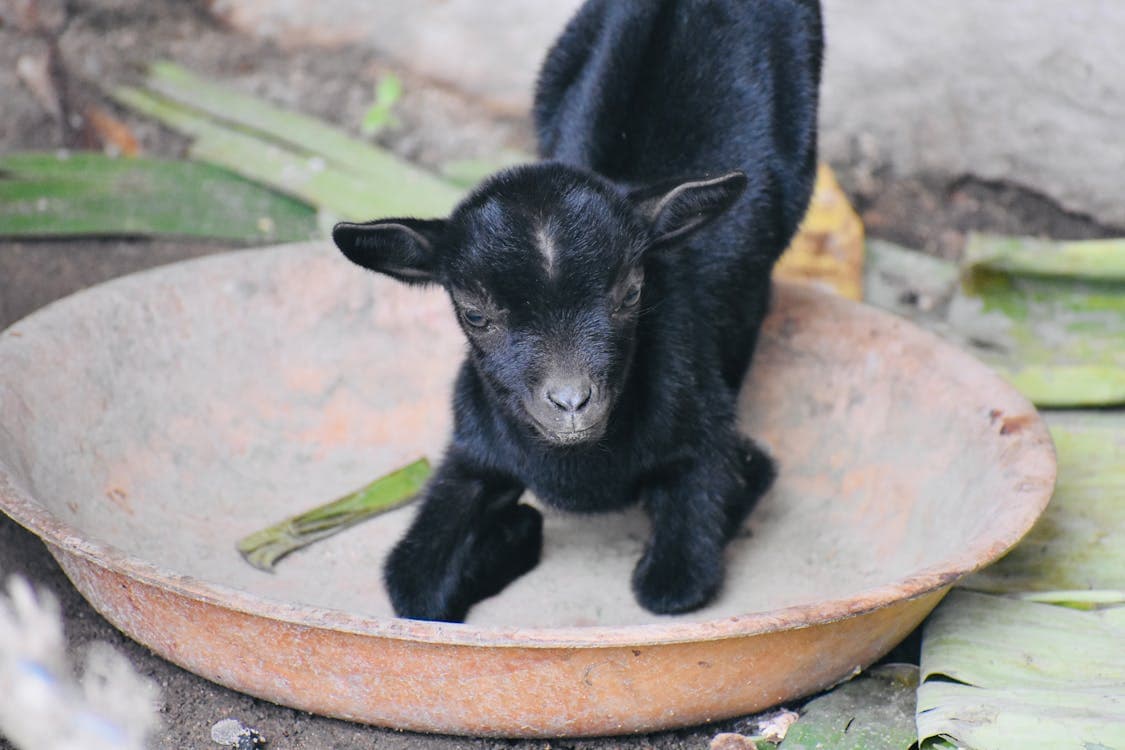
Being prepared with a well-stocked first aid kit can mean the difference between life and death for your goats. Emergencies rarely happen during business hours, and the nearest livestock vet may be an hour away. When a doe is struggling to deliver, a kid is hypothermic, or a wether is bloating rapidly, every minute counts. Having the right supplies organized and ready to grab can buy you critical time and, in many cases, allow you to resolve the problem yourself before it becomes a crisis.
In this guide, we will walk through everything you need to build a comprehensive goat first aid kit, from essential medications and wound care supplies to emergency equipment and birthing tools. Whether you keep two pet goats in the backyard or manage a herd of fifty, this kit belongs on every farm.
Why You Need a Goat First Aid Kit
Goats are hardy animals, but they are also remarkably good at hiding illness until it becomes serious. By the time you notice something is wrong, the situation may already be urgent. A dedicated first aid kit allows you to respond immediately rather than scrambling through cabinets or making a late-night run to the feed store.
There are several situations where a prepared kit proves invaluable:
- Injuries from fencing, predators, or herd disputes that need immediate wound care
- Sudden bloat that can become fatal within hours
- Difficult births where intervention is needed before the vet arrives
- Parasite overload causing dangerous anemia
- Infections that need quick antibiotic treatment
Many common goat diseases progress rapidly, and having treatments on hand gives you a critical head start. A well-organized kit also saves money in the long run because you can handle minor issues yourself rather than paying for emergency vet visits for problems you could have treated at home.
Essential Medications and Treatments
Your first aid kit should include a core set of medications that address the most common goat health emergencies. Always check expiration dates every six months and replace anything that has expired.
Dewormers
Internal parasites are the number one killer of goats, so keeping effective dewormers in your kit is non-negotiable. You should have at least two different classes on hand:
- Ivermectin (injectable, given orally to goats) - effective against a broad spectrum of internal and external parasites
- Fenbendazole (SafeGuard) - useful for certain worm species and lungworms
- Moxidectin (Cydectin) - a stronger option for resistant parasites, to be used with caution
Rotate dewormers based on fecal egg counts, not on a fixed schedule. For a complete protocol, see our guide on how to deworm goats. Having these dewormers ready also helps when you are dealing with external parasites. If you ever notice signs of skin irritation, check out our posts on how to treat goat lice and how to treat goat mites.
Antibiotics
Antibiotics should only be used when there is a clear bacterial infection, but having them available can save a goat's life when the vet cannot arrive quickly.
- LA-200 (oxytetracycline) - a broad-spectrum antibiotic useful for respiratory infections, foot rot, and wound infections. Given as a subcutaneous injection.
- Penicillin G (Pen G) - effective against many gram-positive bacteria. Often used for pneumonia, mastitis, and infected wounds. Must be refrigerated.
- Nuflor (florfenicol) - a prescription antibiotic your vet may recommend keeping on hand for severe respiratory illness.
Always keep a supply of sterile needles and syringes (18-gauge, 20-gauge, in 3cc, 6cc, and 12cc sizes) alongside your antibiotics. Use a fresh needle for each goat to prevent spreading disease.
Pain Relief and Anti-inflammatories
Goats in pain recover more slowly and are more susceptible to secondary complications. Having a pain management option is important.
- Banamine (flunixin meglumine) - the most commonly used anti-inflammatory and pain reliever for goats. It reduces fever, eases pain, and controls inflammation. It is especially critical for gut pain associated with bloat or enterotoxemia. Your vet can prescribe this and advise on proper dosing.
- Aspirin - an over-the-counter option for mild pain and fever reduction. Use the uncoated variety.
Never use ibuprofen or acetaminophen in goats. These drugs are toxic to ruminants.
Bloat Treatment
Bloat is one of the most time-sensitive emergencies you will face. A goat with severe bloat can die within hours if not treated.
- Mineral oil - administered orally via drenching syringe to help break up frothy bloat
- Therabloat (poloxalene) - a surfactant specifically designed to relieve frothy bloat
- Baking soda - useful for mild digestive upset, though not a substitute for proper bloat treatment
- Trocar and cannula - for extreme free-gas bloat emergencies only, and only if you have been trained by a vet
Prevention is always better than treatment. Read our detailed guide on how to prevent bloat in goats to reduce the chances of this emergency happening in the first place.
Wound Care Supplies
Goats get cuts, scrapes, and puncture wounds more often than most owners expect. Fencing, sharp branches, horns, and the occasional predator encounter all leave their marks. Keep these supplies stocked:
- Betadine (povidone-iodine) - the gold standard for cleaning wounds. Dilute to a weak tea color for flushing.
- Chlorhexidine solution - an alternative antiseptic for wound cleaning
- BluKote (wound spray) - an antiseptic spray that also acts as a fly repellent on wounds. The blue color helps you track treated areas.
- Blood stop powder (styptic powder) - essential for stopping bleeding quickly, especially useful after disbudding or hoof trimming accidents
- Vetericyn wound spray - a gentle, non-toxic wound treatment safe for all animals
- Non-stick gauze pads and rolls - for bandaging larger wounds
- Vet wrap (self-adhesive bandage) - stretchy, sticks to itself, and is perfect for securing bandages on legs and hooves
- Medical tape - for securing gauze where vet wrap is not practical
- Scissors - blunt-tip preferred, for cutting bandages and vet wrap

Emergency Equipment
Beyond medications and wound care, your kit needs some essential tools for assessment and intervention.
- Digital rectal thermometer - a goat's normal temperature is 101.5 to 103.5 degrees Fahrenheit. A thermometer is the single most important diagnostic tool you own. Fever or hypothermia tells you vastly different things about what is happening.
- Drenching syringe (60cc catheter-tip syringe) - for administering oral medications, mineral oil, or electrolytes. Never use a hard-nozzle syringe, as it can injure the mouth.
- Stomach tube and large syringe - for emergency administration of fluids or bloat treatment. This requires training, so ask your vet to demonstrate proper technique before you need it.
- Hoof trimmers - overgrown or infected hooves need prompt attention. A good pair of sharp trimmers is essential. Learn the proper technique with our guide on how to trim goat hooves.
- Electrolyte powder (Sav-A-Kid or Bounce Back) - dehydration is a secondary killer in many goat illnesses. Mixing electrolytes quickly can stabilize a struggling animal.
- Nutri-Drench - a fast-acting energy supplement for weak, lethargic, or hypoglycemic goats and kids
- Flashlight or headlamp - because emergencies love to happen at 2 AM
- Latex or nitrile gloves - keep a full box in your kit
Birthing Supplies
If you breed goats, a separate birthing kit is essential. Kidding season brings its own unique set of emergencies, and being prepared can save both the doe and her kids. Familiarize yourself with the signs of a pregnant goat so you know when to have this kit ready.
- OB lube (J-Lube or similar) - absolutely critical if you need to assist with a difficult delivery. You cannot reposition a kid without it.
- 7% iodine solution - for dipping the umbilical cord immediately after birth to prevent navel ill (joint ill)
- Small plastic cup or film canister - for holding iodine to dip the navel
- Clean towels - at least four or five old towels for drying kids and cleaning up
- Dental floss or umbilical clamps - for tying off the umbilical cord if it does not break cleanly or if there is excessive bleeding
- Bulb syringe - for clearing mucus from a newborn kid's nose and mouth
- Heat lamp or hair dryer - for warming hypothermic kids in cold weather
- Colostrum replacer - in case the doe rejects a kid or does not produce enough colostrum in the first critical hours
- Bottle and Pritchard nipple - for feeding weak kids or bottle babies
Where to Store Your Kit
Organization matters as much as the supplies themselves. In an emergency, you do not want to be digging through a pile of random supplies.
- Use a large, lidded plastic tote or a dedicated toolbox with compartments. Label it clearly.
- Keep it in a dry, accessible location - a barn tack room, garage, or mudroom works well. Everyone on the farm should know where it is.
- Separate medications that need refrigeration (like Pen G) and keep a note in your kit reminding you to grab them from the fridge.
- Tape a dosage chart to the inside of the lid with your goats' approximate weights and common drug dosages.
- Include your vet's phone number and an after-hours emergency vet number taped to the inside of the lid.
- Check your kit every six months - replace expired medications, restock used supplies, and update the dosage chart if your herd has changed.
For a broader look at everything your farm needs beyond the first aid kit, check out our list of 25 essential goat farming supplies.
Knowing When to Call the Vet
A first aid kit empowers you to handle many situations, but it does not replace veterinary care. Call your vet immediately if you encounter any of the following:
- A doe that has been actively pushing for more than 30 minutes without progress
- Severe bloat that does not respond to initial treatment within 15 to 20 minutes
- Suspected broken bones or injuries involving the eyes
- High fever (over 105 degrees Fahrenheit) that does not respond to Banamine
- Neurological symptoms such as circling, head pressing, blindness, or seizures - these can indicate listeriosis or polioencephalomalacia and require aggressive treatment
- Profuse bleeding that you cannot control
- A goat that has been down and unable to stand for more than a few hours
- Any situation where you are unsure - when in doubt, make the call
Building a relationship with a livestock vet before you have an emergency is one of the smartest things you can do as a goat owner. Many vets are willing to guide you over the phone if they know you and your herd.
Printable Checklist Summary
Use this list to build or audit your goat first aid kit:
- Medications: Ivermectin, fenbendazole, moxidectin, LA-200, Penicillin G, Banamine, aspirin
- Bloat treatment: Mineral oil, Therabloat, baking soda, trocar and cannula
- Wound care: Betadine, chlorhexidine, BluKote, blood stop powder, Vetericyn, gauze pads, vet wrap, medical tape, scissors
- Syringes and needles: 3cc, 6cc, 12cc syringes; 18-gauge and 20-gauge needles; 60cc catheter-tip drenching syringe
- Equipment: Digital rectal thermometer, stomach tube, hoof trimmers, flashlight or headlamp, gloves
- Supplements: Electrolyte powder, Nutri-Drench, probiotics, vitamin B complex
- Birthing supplies: OB lube, 7% iodine, clean towels, dental floss or umbilical clamps, bulb syringe, heat lamp, colostrum replacer, bottle and Pritchard nipple
- Information: Vet phone number, after-hours emergency number, dosage chart, goat weight records
Take an afternoon to assemble your kit, organize it well, and walk through each item so you know how to use it. The time you invest now will pay off the moment an emergency strikes, and on a goat farm, it is never a question of if but when.

About Dr. Elma K. Johnson
Expert farmers and veterinarians with over 20 years of experience in goat farming and animal husbandry.
Related Articles
Goat Lifespan: How Long Do Goats Live and What Affects It
How long do goats live? Most goats reach 10-15 years. Learn how breed, sex, and care affect goat lifespan, plus practical tips to help yours live longer.