Best Goat Breeds for Pets: Friendly and Easy to Keep
Discover the best goat breeds for pets, from Nigerian Dwarf to Pygmy and fainting goats. Compare size, temperament, and care so you pick the right companion.

Dr. Elma K. Johnson
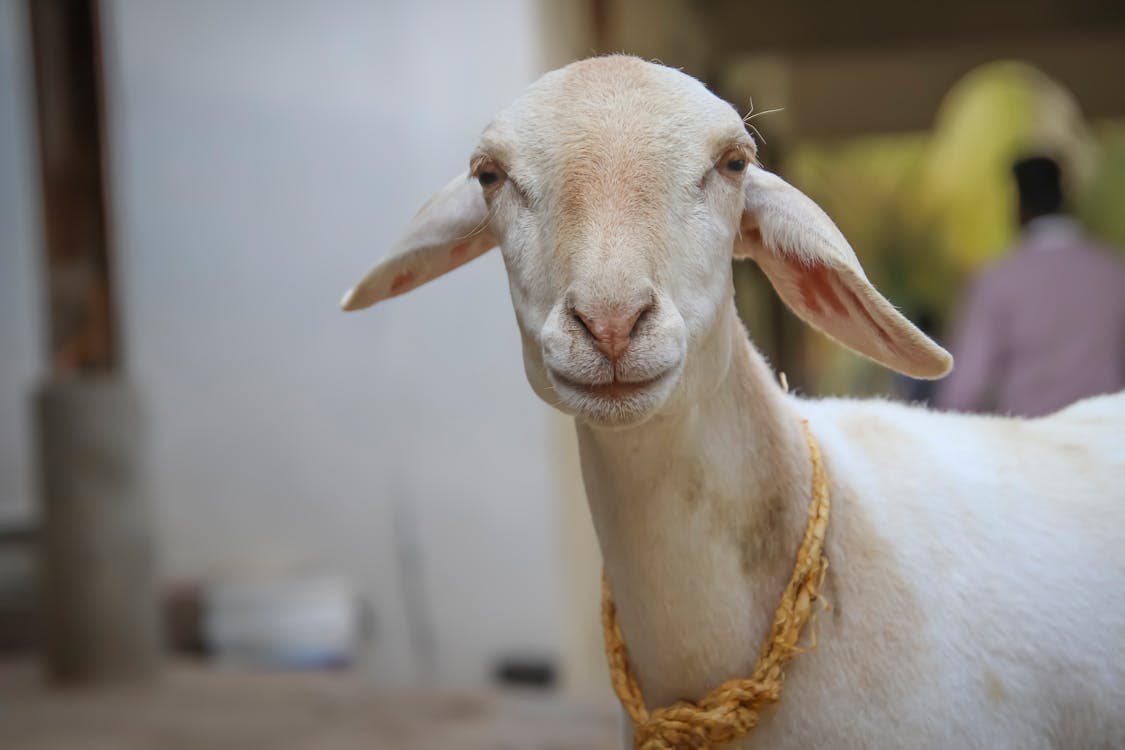
The best goat breeds for pets are small, friendly, hardy miniatures—Nigerian Dwarf, Pygmy, Kinder, Nigora, and Myotonic (fainting) goats—along with miniature crosses bred for companionship rather than heavy production. For non-farmers, the easiest pet of all is a neutered male (a wether) of any of these breeds, because wethers stay gentle, need no milking or breeding management, and cost the least to keep. Whatever breed you choose, you must keep at least two goats, since a lone goat is a stressed goat.
Key takeaways:
- The friendliest, lowest-maintenance pet goats are miniature breeds: Nigerian Dwarf, Pygmy, Kinder, Nigora, and fainting goats.
- Wethers (neutered males) make the calmest, cheapest, and easiest pets—no odor, no breeding behavior, no milking schedule.
- Goats are herd animals, so always keep two or more; a single goat will be loud, anxious, and prone to escaping.
What Makes a Goat Breed Good as a Pet?
Choosing a pet goat is different from choosing a production animal. You are not optimizing for milk volume or carcass weight—you want a manageable size, a calm and people-friendly temperament, sturdy health, and a long, low-drama life. The breeds that shine as pets tend to share a few traits.
Smaller body size matters most. A 60- to 100-pound goat is far easier to handle, fence, house, and treat than a 150- to 200-pound dairy or meat goat. You can lift a miniature for hoof trimming, restrain it for vaccinations alone, and fit a pair into a modest backyard. That is why nearly every great pet breed is a miniature.
Temperament is the second pillar. The best pet goats are curious, affectionate, and tolerant of handling—the kind of goat that walks up to be scratched rather than bolting away. Hardiness rounds it out: breeds that resist common illnesses and adapt to varied climates spare beginners a lot of vet visits and worry. If you want a deeper walkthrough of life with a companion goat, our complete pet goat guide covers day-to-day ownership in detail.
Pet Goat Breeds Compared at a Glance
Here is a side-by-side look at the top companion breeds so you can match a goat to your space, experience, and patience. Heights are measured at the shoulder, and figures are general ranges that vary by line and individual.
| Breed | Height | Weight | Temperament | Care level | Typical lifespan |
|---|---|---|---|---|---|
| Nigerian Dwarf | 17–21 in | 60–80 lb | Friendly, playful, social | Easy–moderate | 12–18 years |
| Pygmy | 16–23 in | 60–85 lb | Docile, cuddly, hardy | Easy | 10–15 years |
| Kinder | 20–26 in | 100–150 lb | Affectionate, gentle | Moderate | 8–12 years |
| Nigora | 18–29 in | 60–100 lb | Calm, friendly | Moderate (fiber) | 10–14 years |
| Myotonic (fainting) | 17–25 in | 60–175 lb | Calm, quiet, easygoing | Easy | 10–15 years |
| Miniature crosses (Mini Nubian, etc.) | 23–29 in | 75–135 lb | Varies; usually friendly | Moderate | 8–14 years |
Use this table as a starting filter, then read the profiles below for the personality details that make or break daily life with a pet goat.
Nigerian Dwarf: The Most Popular Pet Goat
The Nigerian Dwarf is arguably the single most popular pet goat in North America, and for good reason. Standing just 17 to 21 inches tall and weighing 60 to 80 pounds, it packs an enormous, friendly personality into a small, easy-to-handle frame.
Size and temperament. Nigerian Dwarfs are social, playful, and genuinely interested in their people. They come in a dazzling range of colors and patterns, often with striking blue eyes, and their upright ears give them an alert, expressive face. They bond readily and many will follow you around the yard like a dog.
Care level. As a pet, a Nigerian Dwarf is easy to moderate. Wethers and dry does need little beyond quality hay, fresh water, minerals, and routine hoof trimming. The breed is hardy and adapts well to a backyard setting.
Why it makes a good pet. You get all the charm and intelligence of a goat in a package small enough for a suburban lot. Bonus: if you ever decide you want a little fresh milk, does can produce a quart or two a day of rich milk—but as a pure pet, a wether keeps things simple. If you are weighing this breed against the equally small Pygmy, our roundup of the smallest goat breeds breaks down the differences.
Pygmy: The Classic Cuddly Companion
When most people picture a "pet goat," they are picturing a Pygmy. These compact, stocky little goats from West Africa stand 16 to 23 inches tall and weigh 60 to 85 pounds, with a barrel-shaped body and a full coat that makes them look perpetually huggable.
Size and temperament. Pygmies are docile, playful, and famously fond of human company. They are the goats you see at petting zoos and in therapy programs precisely because they tolerate handling so well. They are also remarkably hardy and disease-resistant, which forgives beginner mistakes.
Care level. Easy. Pygmies were never bred for production, so there is no milking pressure—they exist to be companions. The main caution is diet: their efficient little bodies gain weight easily, so they need a hay-based diet and limited grain to avoid obesity. Review the basics in our feeding goats guide.
Why it makes a good pet. Affordable, sturdy, affectionate, and content to simply be a pet—the Pygmy is the default choice for families who want goats purely for companionship.
Kinder: The Friendly Dual-Purpose Mid-Size
The Kinder is an American breed created by crossing Nubian goats with Pygmies. The result is a friendly, gentle goat that stands 20 to 26 inches tall and weighs 100 to 150 pounds—larger than the true miniatures but still manageable.
Size and temperament. Kinders inherited the sweet, people-loving disposition of their Nubian ancestors. They bond closely with their keepers and have long, floppy ears that give them an endearing look. Like Nubians, they can be a bit vocal, so they are not ideal if you have noise-sensitive neighbors close by.
Care level. Moderate. At 100-plus pounds they need a touch more feed and sturdier handling facilities than a Pygmy, but their care is otherwise straightforward.
Why it makes a good pet. If you want a goat with real personality that could also provide a little milk for a small household down the road, the Kinder offers that flexibility while remaining a warm, affectionate companion. Kept as wethers, they are simply big, lovable pets.
Nigora: The Soft, Mellow Fiber Pet
The Nigora is a cross between a Nigerian Dwarf and an Angora goat, bred to produce fine fiber in a small, friendly animal. It typically stands 18 to 29 inches tall and weighs 60 to 100 pounds.
Size and temperament. Nigoras tend to be calm, gentle, and friendly—a pleasant blend of the Nigerian Dwarf's sociability and the Angora's mellow nature. Their fluffy fleece gives them obvious appeal for owners who enjoy a soft, huggable goat.
Care level. Moderate, mostly because of the coat. Fiber goats need regular brushing and timely shearing to prevent matting, which can cause discomfort and skin problems if neglected. If you do not want grooming chores, a slick-coated breed like a Pygmy or Nigerian Dwarf is less work.
Why it makes a good pet. For crafty owners who want a companion that also yields soft, spinnable fiber once or twice a year, the Nigora is a delightful, low-stress choice—provided you are willing to keep up with the coat.
Myotonic (Fainting) Goats: Quiet and Easygoing
Myotonic goats—popularly called fainting goats—carry a harmless genetic trait that causes their muscles to briefly stiffen when startled, sometimes making them topple over. The episode is painless and the goat recovers in seconds. These goats range widely in size, from about 17 to 25 inches and 60 to 175 pounds depending on the line.
Size and temperament. Fainting goats are prized as pets for being calm, quiet, and easygoing. Because their "fainting" trait means they do not jump and climb as relentlessly as other goats, many owners find them easier to contain. They tend to be gentle and friendly with the people who handle them regularly.
Care level. Easy. Their husbandry is the same as any goat—hay, water, minerals, hoof care, and parasite management. The stiffening trait itself requires no special treatment.
Why it makes a good pet. A quieter, less athletic goat that is harder to lose over the fence is a genuine advantage for backyard keepers. Just choose a smaller line if size matters to you, since some Myotonic goats grow surprisingly large.
Miniature Crosses: Custom-Sized Companions
Beyond the established breeds, a whole category of miniature crosses exists—Mini Nubians, Mini LaManchas, Mini Alpines, and others—created by breeding standard dairy goats with Nigerian Dwarfs. These typically stand 23 to 29 inches tall and weigh 75 to 135 pounds.
Size and temperament. Personality varies by the parent breeds. Mini LaManchas tend to be especially calm and quiet; Mini Nubians are sweet but vocal; Mini Alpines are athletic and lively. Most are friendly and bond well with people.
Care level. Moderate. They are still being refined as breeds, so size and temperament vary more between individuals. As pets, kept as wethers, their care mirrors any miniature goat.
Why it makes a good pet. If you want a specific look, ear style, or temperament in a smaller-than-standard package—and possibly a little milk if you keep does—a miniature cross lets you tailor your companion. For a broader breed comparison, see our breed selection guide for beginners.
Why Wethers Make the Best Low-Maintenance Pets
If your goal is purely companionship, a wether—a castrated male—is almost always the best choice. Wethers combine the easygoing temperament of a goat with none of the management headaches of breeding stock.
- No rut or odor. Intact bucks develop a strong musky smell and pushy, sometimes aggressive seasonal behavior. Wethers stay sweet and clean year-round.
- No milking, no kidding. Unlike does, wethers never need to be bred or milked, so there is no production schedule, no kids to place, and no late-pregnancy nutrition to fuss over.
- Lower cost. Pet-quality wethers are typically the least expensive goats to buy, since they are not breeding animals.
- Calm and bonded. Wethers tend to be relaxed and affectionate, making them ideal companions for children, other livestock, and first-time owners.
One health caution: wethers are prone to urinary calculi (mineral stones that can block the urinary tract). The main preventive steps are a hay-based diet, limited grain, the correct calcium-to-phosphorus mineral balance, and constant access to clean water. Our overview of goat minerals and supplements explains how to get that balance right. If you ever see a wether straining, crying, or unable to urinate, treat it as an emergency and call your veterinarian immediately.
Goats Need a Companion—Never Keep Just One
This is the single most important rule of pet goats: goats are herd animals and must never be kept alone. A solitary goat becomes stressed, depressed, excessively noisy, and prone to escaping in search of company—no amount of human attention fully replaces another goat.
Plan for at least two from the start. Two wethers are the simplest, most peaceful pairing for a pet home. Two does also work well. Avoid keeping intact bucks unless you intend to breed, and never house a buck alone with does you do not want bred. A bonded pair will graze together, sleep together, and keep each other calm and content, which in turn makes them easier and more pleasant for you to keep.
Housing, Fencing, and Daily Care Basics
Even small pet goats need real infrastructure. Plan for a minimum of 200 square feet of outdoor space for a pair, with more being better, plus a dry, draft-free shelter of roughly 10 to 15 square feet per goat. A simple three-sided shelter suits most climates because goats like to see out.
Fencing is where many new owners are caught off guard. Goats are escape artists, and small breeds slip through gaps that would stop a larger animal. Use sturdy fencing at least four feet high (four and a half to five is better), with openings small enough that heads cannot get stuck, and use goat-proof latches—goats readily learn to work simple hooks.
Daily care for pet goats is refreshingly routine: free-choice grass hay, constant fresh water, goat minerals, periodic hoof trimming, and a parasite-management plan worked out with your veterinarian. Establish a relationship with a goat-savvy vet before you need one, and learn your animals' normal behavior so you can spot illness early.
Frequently Asked Questions
What is the friendliest goat breed for a pet?
Nigerian Dwarf and Pygmy goats are widely considered the friendliest pet breeds. Both are small, social, and affectionate, and they tolerate handling well. Fainting (Myotonic) goats are also prized for being calm and gentle, making them a great fit for families.
Are pet goats high maintenance?
Pet goats are moderate maintenance. They need daily food and water, secure fencing, a dry shelter, routine hoof trimming, and parasite control, but they do not require milking or breeding if you keep wethers. With a hardy miniature breed kept as a pair of wethers, the workload is manageable for most non-farmers.
Can you keep just one goat as a pet?
No. Goats are herd animals and become stressed, loud, and escape-prone when kept alone. You should always keep at least two goats so they have a companion. Two wethers are the easiest and most peaceful pairing for a pet household.
What is the best goat to keep as a pet if you are not a farmer?
A wether (neutered male) of a hardy miniature breed such as a Nigerian Dwarf or Pygmy is the best pet goat for non-farmers. Wethers stay gentle, do not smell, need no milking or breeding management, and cost the least to keep. Always get two so they have company.
How long do pet goats live?
Most pet goats live around 10 to 15 years, and well-cared-for miniatures like Nigerian Dwarfs can sometimes reach 18 years. Lifespan depends on diet, health care, and genetics, so a goat is a long-term commitment comparable to a dog.
Final Thoughts
The best goat breeds for pets are the friendly, hardy miniatures—Nigerian Dwarf, Pygmy, Kinder, Nigora, fainting goats, and miniature crosses—because they pair big personalities with manageable size and forgiving care. For a true non-farmer, the simplest path is a pair of wethers from one of these breeds: gentle, odor-free, affordable, and free of any milking or breeding chores. Give them a companion, secure fencing, a dry shelter, and routine care, and a pet goat will reward you with years of affection, entertainment, and genuine companionship.

About Dr. Elma K. Johnson
Expert farmers and veterinarians with over 20 years of experience in goat farming and animal husbandry.
Related Articles
Boer Goat vs Kalahari Red: Meat Breed Comparison
Boer goat vs Kalahari Red compared: appearance, growth rate, muscling, heat and parasite resistance, mothering, and best use. Find the right meat breed.