Best Goat Toys: Enrichment Ideas Goats Actually Use
The best goat toys for bored goats: climbing spools, stall balls, treat balls, scratching brushes, and DIY ideas, plus safety tips for kids and horned goats.

Elma K. Johnson
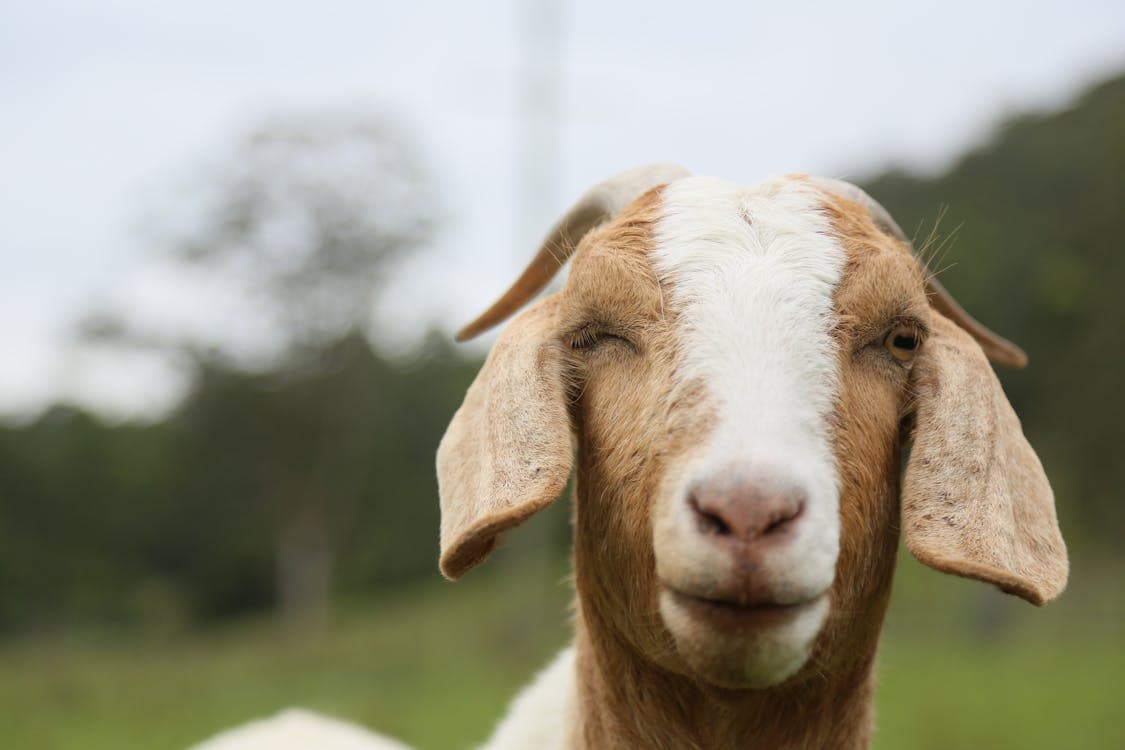
The best goat toys are things to climb on, things to push around, and things that make goats work for food—sturdy platforms and cable spools first, then large stall balls, treat balls, and a mounted scratching brush. Goats are curious, athletic browsers, and a bare pen leaves all that energy with nowhere to go except your fence and your feeders. You do not need to spend much: most of the toys goats use every day are simple, heavy, and hard to destroy.
Key takeaways:
- Height comes first. Climbing structures get more daily use than any ball or gadget.
- Buy toys made for horses and livestock, not for small pets, because goats chew, butt, and stand on everything.
- Avoid loose rope, small chewable parts, and thin plastic, and check every toy against your goats' horns and your smallest kid.
Goat Toys Compared at a Glance
| Toy type | What goats do with it | Best for | Watch out for | Where to look |
|---|---|---|---|---|
| Climbing platforms, spools, ramps | Climb, jump, nap on top | Every herd | Placement near fences; slippery surfaces | DIY, or anti-slip tread tape for ramps |
| Large stall balls | Push, butt, chase | Playful kids and wethers | Punctures from horns; balls that are too small | Jolly Ball-style horse toys |
| Treat balls and slow feeders | Roll and nudge to release food | Food-motivated goats, small pens | Overfeeding treats | horse treat balls |
| Scratching brushes | Rub head, neck, and flanks | All goats, year-round | Weak mounting | livestock scratching brushes |
| Hanging and tetherball-style toys | Butt and swing | Bucks, wethers, bored adults | Rope length and entanglement | hanging horse stall toys |
| Stumps, logs, and rocks | Climb, balance, wear hooves | Every herd | Unstable stacking | Free or salvaged |
Why Goats Need Toys at All
Feral goats spend their days traveling, climbing, and picking through brush. A domestic goat with hay delivered twice a day has most of the day left to fill, and bored goats invent their own entertainment: testing gates, chewing the shelter, bullying herd mates, or calling for you.
Enrichment gives those instincts a harmless outlet. Our guide to understanding goat behavior explains the drives involved—climbing for a vantage point, head-butting to sort out rank, and investigating everything with the mouth. Good toys map onto exactly those behaviors. They matter most for goats kept in smaller spaces, which is common with companion animals; if that is your situation, our pet goat complete guide covers the rest of their daily needs.
One caveat: toys do not replace company. A single goat with a pen full of toys is still a lonely goat. Keep at least two.
Climbing Structures: The Toy Every Goat Uses
If you add only one thing to a goat pen, make it something to stand on.
Cable spools
Wooden cable spools (the large reels that electrical and utility cable ships on) are the classic goat toy. They are heavy, the right height, and often free from electrical suppliers or contractors. Before putting one in the pen, cover or board over the center hole so a leg cannot drop through, pull any staples or protruding nails, and set it on level ground so it cannot roll.
Platforms and ramps
A simple platform made from pressure-treated framing and deck boards, 18 to 36 inches high, gives goats a lookout and a dry place to lie. Connect two platforms with a ramp and you have a circuit they will run in the evening. Build with exterior deck screws rather than nails, which work loose under constant hoof traffic, and add cleats or tread strips to ramps so they are not slick when wet. Our step-by-step article on how to build a goat playground has layouts and dimensions.
Stumps, logs, and rocks
Large tree stumps, thick log rounds, and boulders are free, weatherproof, and help wear down hooves naturally. Set them firmly into the ground or choose pieces too wide to tip. Vary the heights so goats can hop from one to the next.
Ready-made climbers
If you would rather buy than build, heavy molded-plastic children's play structures are widely reused for small breeds and kids. A second-hand toddler climber and slide suits Pygmy and Nigerian Dwarf goats well. Check the weight rating against your goats, expect chewing on the edges, and retire anything that cracks.
Seesaws
A low seesaw, made from a wide plank bolted over a short log or pipe pivot, teaches balance and is a favorite with kids. Keep the pivot low so the ends rise only a few inches, make the plank wide enough for a goat to turn on, and leave no gap at the pivot where a hoof could be pinched.
Placement matters more than design. Keep every climbing structure well away from the fence line. A platform three feet from a four-foot fence is a launch pad. If you keep miniature breeds, our pygmy goat enclosures guide shows how to arrange play equipment inside a small footprint.
Balls and Push Toys
Large stall balls
Goats butt, nose, and chase balls, and kids do it most. Choose the large, thick-walled balls made for horses rather than playground balls, which pop quickly. Jolly Ball-style toys from Jolly Pets and similar makers are built to be bitten and kicked by horses, and the versions with a handle are easy for goats to pick up and fling.
Hard-shell herding balls are another option. These rigid plastic balls are designed to be pushed rather than gripped, which makes them difficult to puncture. Whichever you choose, go large; a ball should be too big to fit in a goat's mouth.
Tetherball-style hanging toys
A ball or jug hung at head height gives goats something to butt that swings back. Bucks and wethers in particular will spar with it for long stretches. Purpose-made hanging stall toys work, as does a heavy ball suspended from a beam.
The safe way to hang anything in a goat pen is with chain or a rigid rod, not rope. A short length of galvanized swing chain cannot be chewed through and does not form loops as easily. Keep the drop short and the toy high enough that a goat cannot get a leg or horn through anything.
Treat Balls and Slow Feeders
Food puzzles turn a thirty-second snack into twenty minutes of activity. A horse-sized treat ball releases a few pellets at a time as it is rolled around. Fill it with part of the goat's normal ration or a small amount of something from our best treats for goats list, not extra grain on top of the daily feed. This matters most for wethers and bucks, where excess grain and treats are linked to urinary calculi.
For hay, a rigid slow-feed hay ball makes goats pull stems through openings, which is closer to natural browsing and wastes less. Hard-sided feeders are a better choice than soft hay nets for goats. Nets are a known entanglement risk for horned animals and for kids, which can get a head or leg through the mesh.
Scratching Brushes
Goats rub on posts, gates, and each other, especially during the spring shed. A stiff brush fixed at shoulder height gives them a better target and saves your fencing. Livestock scratching brushes come as flat pads, corner-mounted pairs, and arched designs goats can walk under.
Mounting is the part that fails. Bolt the brush to a solid post or wall stud, not to a fence panel, and check the fasteners every few weeks.
Safety: Kids, Horns, and What to Avoid
Kid-safe considerations
Keep climbing heights low for young kids, since a fall from a tall platform can injure them. Close any gap between roughly two and six inches where a head or leg can wedge. Kids also mouth everything, so the "too big to swallow" rule applies to every part of every toy.
Horned goats
Horns change the risk in two ways. They puncture inflatable and thin-walled toys, and they catch on things: netting, loops, handles, and gaps in pallets. For horned herds, favor rigid toys, solid platforms, and hard-shell balls, and skip anything with mesh or loose loops. Bear in mind that toys can concentrate goats in one spot. Provide several stations so a lower-ranking goat is not cornered by a horned herd mate on a narrow ramp.
What to keep out of the pen
- Small or chewable parts. Squeakers, soft rubber dog toys, foam, and anything that can be bitten into pieces and swallowed.
- Loose rope, twine, and netting. Strangulation and entanglement are the most serious toy-related hazards. Baling twine is a frequent culprit.
- Thin or brittle plastic. Buckets, lightweight storage tubs, and sun-degraded plastic crack into sharp edges.
- Tires with exposed steel belts. Tractor tires are popular and can be fine when intact, but worn ones expose wire. Fill the center with soil or gravel so water does not pool and a kid cannot get stuck.
- Painted or treated surfaces of unknown origin. Goats chew wood. Avoid old painted lumber and pallets that are stained, oily, or have held chemicals.
Inspect toys as part of your regular routine, and remove anything cracked, loose, or frayed.
DIY vs Buying
Most of the best goat enrichment is built, salvaged, or free. Spools, stumps, platforms, seesaws, and broom-head scratchers cost little beyond fasteners and an afternoon. DIY also lets you size things to your breed, which matters at both ends of the scale. The larger dairy breeds need stronger framing, and the smaller goat breeds that make good pets need lower steps.
Buying makes sense for items that are hard to make safely at home: thick-walled balls, treat balls, hard-sided slow feeders, and scratching brushes. Look in the horse and livestock categories, and treat any "goat toy" that looks like a dog toy with suspicion.
A sensible starting set for two or three goats is one spool or platform, one large ball, one scratching brush, and one treat ball. Rearrange things every few weeks, since novelty is a large part of the appeal.
Frequently Asked Questions
What do goats like to play with the most?
Anything they can climb. Platforms, cable spools, stumps, and ramps are used daily by almost every goat. Large balls and hanging toys are popular with kids and playful adults, and treat balls suit food-motivated goats.
Are dog toys safe for goats?
Mostly no. Soft rubber toys, squeaky toys, and rope tugs can be chewed apart and swallowed or can tangle around a leg or horn. Large hard-shell herding balls and thick-walled horse balls are the exceptions that work well.
Can I use old tires as goat toys?
Intact tractor or truck tires, partly buried or filled so they cannot trap a kid or hold stagnant water, are widely used. Do not use tires with exposed steel wire or crumbling rubber.
How many toys do goats need?
Fewer than you might expect. One good climbing structure matters more than a dozen small toys. Provide enough separate stations that every goat can use something without being pushed off, and change the arrangement occasionally to keep it interesting.
Final Thoughts
Goat toys do not need to be clever. Give your herd height, something heavy to shove, something to scratch on, and an occasional food puzzle, and you have covered nearly every natural behavior a paddock tends to suppress. Build what you can, buy the few items that are hard to make safely, and keep rope, netting, and flimsy plastic out of the pen.
About Elma K. Johnson
Elma K. Johnson is the pen name used by the Carefree Goats editorial team. Our guides are general educational information for goat keepers, not veterinary advice. Read how we research and write our articles.
Related Articles
Best Goat Milking Stands: Metal vs Wood, Sizes & What to Buy
Find the best goat milking stand: metal vs wood, folding models, sizing for Nigerian Dwarf and standard breeds, and the features that are worth paying for.