Understanding Goat Behavior: A Guide to Goat Body Language and Communication
Decode your goats' behavior and body language. Learn what head butting, tail wagging, teeth grinding, and other behaviors mean for better goat care and management.

Elma K. Johnson
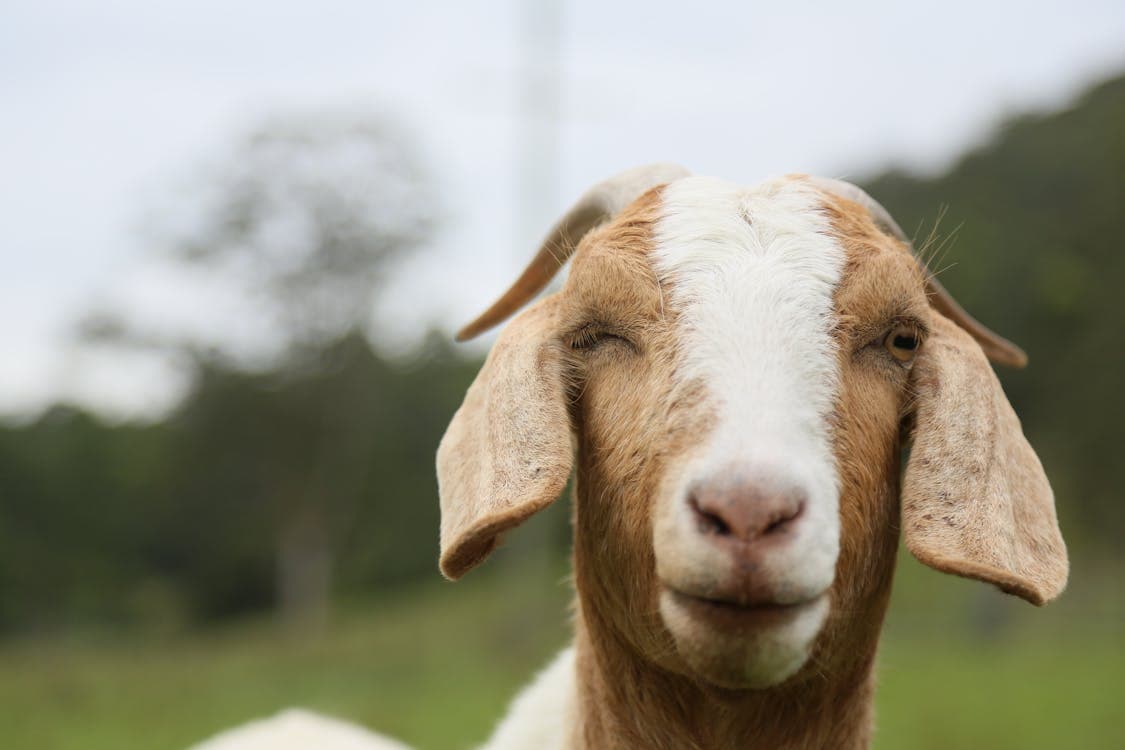
Understanding goat behavior is one of the most valuable skills any goat owner can develop. Goats are expressive, social animals with a rich vocabulary of sounds, postures, and gestures that tell you exactly how they feel, what they need, and whether something is wrong. When you learn to read these signals, you catch health problems earlier, reduce stress in your herd, and build a stronger bond with your animals. Whether you are brand new to goat keeping or have been raising goats for years, sharpening your ability to interpret goat body language will make you a more confident and effective caretaker. If you are just getting started, pair this guide with our how to raise goats ultimate guide for a solid foundation.
How Goats Communicate
Goats rely on a combination of vocalizations and physical body language to communicate with each other and with you. They are far more nuanced communicators than many people realize. Research has shown that goats can convey information about their emotional state, identity, and intentions through sound and movement alone. Learning both channels of communication gives you a complete picture of what is happening in your herd.
Vocalizations
Goats produce a surprisingly wide range of sounds, and each type of bleat carries a different meaning.
- Short, repeated bleats are a standard contact call. A doe calling to her kids or a goat looking for a herd mate will use this quick, conversational bleat. It essentially means "Where are you?" or "I'm over here."
- Long, loud, persistent bleating usually signals distress, hunger, or discomfort. If a goat is bleating loudly and will not stop, investigate. She may be stuck, injured, in heat, or separated from the herd.
- Low, soft rumbling is a sound does make to their newborn kids. It is a bonding vocalization, quiet and gentle, used during the first hours and days after birth. You can learn more about this critical bonding period in our guide on caring for goat kids.
- Sneezing or snorting is an alarm signal. When a goat snorts sharply and stamps, she is alerting the herd to a perceived threat, whether that is a predator, an unfamiliar dog, or something that simply looks out of place.
- Quiet, content humming sometimes heard while goats browse indicates relaxation and satisfaction. A herd that hums softly while eating is a happy herd.
Body Language
A goat's body tells you just as much as her voice. Pay attention to the ears, tail, and overall posture.
- Ears forward and alert indicate curiosity or attention. The goat is focused on something in the environment.
- Ears pinned back flat signal aggression, fear, or submission depending on context. A dominant goat pinning her ears at a subordinate is issuing a warning. A frightened goat pins her ears while trying to retreat.
- Tail up and wagging is generally a sign of happiness, excitement, or being in heat. Kids wag their tails vigorously while nursing.
- Tail tucked down and still can indicate pain, illness, or fear. A goat whose tail hangs limp and motionless deserves closer inspection.
- Stiff, squared-up posture with the head lowered means the goat is preparing to challenge another goat or assert dominance.
- Relaxed posture, chewing cud is the universal sign that a goat feels safe and comfortable. Cud chewing is one of the best indicators of overall well-being.
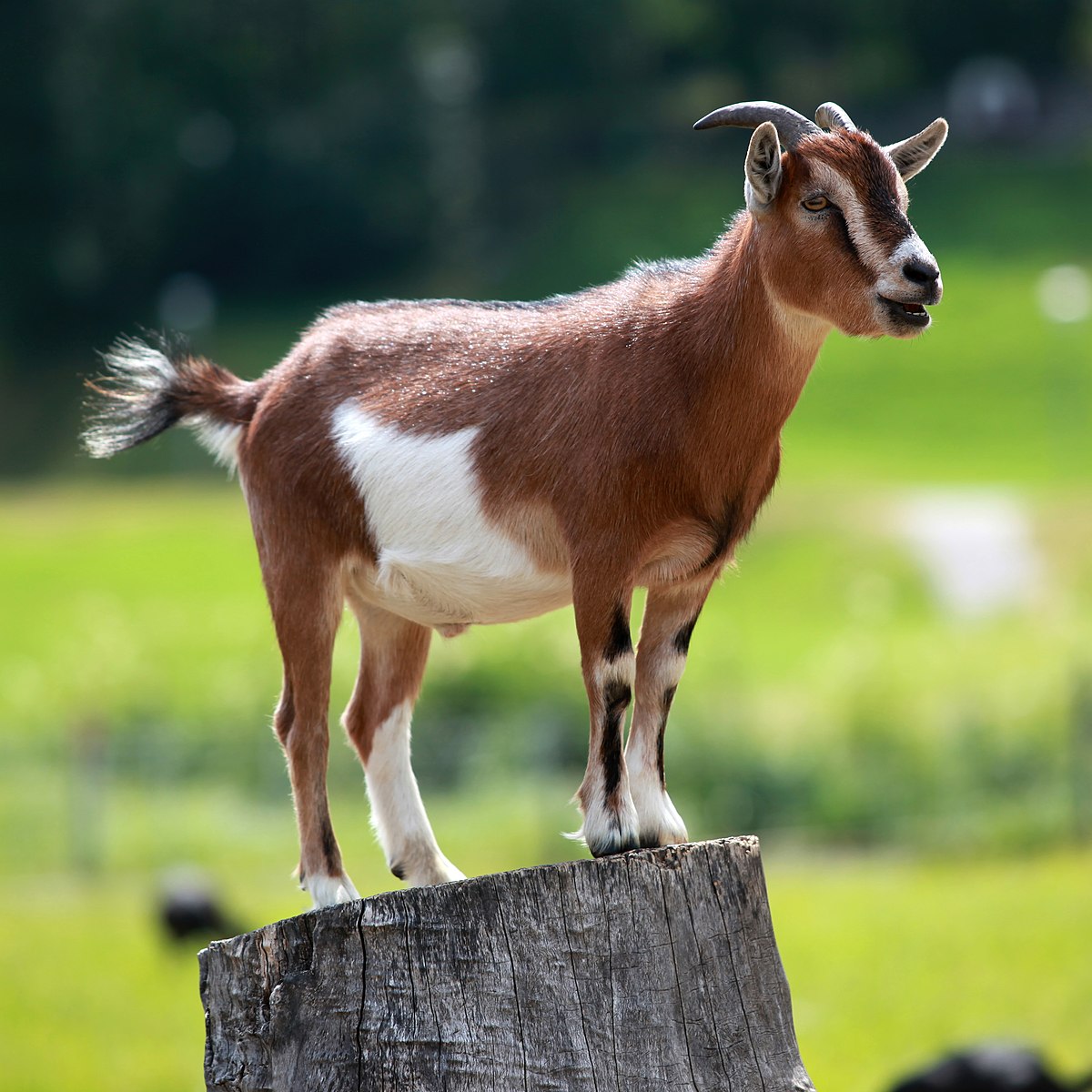
Common Goat Behaviors Explained
Some goat behaviors alarm new owners but are completely normal. Others look harmless but may signal a problem. Here is what to watch for.
Head Butting
Head butting is one of the most recognizable goat behaviors, and it serves several purposes.
- Dominance displays: Goats establish and maintain their pecking order through head butting. Two does squaring off and crashing heads are negotiating rank. This is normal and rarely causes serious injury among healthy adults.
- Play: Kids and young goats head butt constantly during play. They rear up, crash into each other, and bounce away. This play fighting teaches them social skills and physical coordination.
- Warning: A goat that lowers her head and aims at you, another animal, or a newcomer is issuing a clear warning. Do not ignore it. Respect the space she is claiming.
While occasional head butting is natural, excessive or unusually aggressive butting can indicate overcrowding, resource competition, or pain. Make sure your goats have enough space, feeders, and shelter to reduce conflict.
Pawing the Ground
When a goat paws at the ground with a front hoof, she is usually expressing frustration, impatience, or mild irritation. You will often see this at feeding time when goats are eager for their grain. Bucks also paw the ground as part of their courtship display during breeding season. Occasionally, pawing can indicate discomfort in the hoof or leg, so watch for limping or other signs of injury.
Tail Wagging
A wagging tail in goats is almost always a positive sign. Does wag their tails when they are in heat, kids wag while nursing, and goats of all ages may wag when they are happy or excited. A rapid, frantic tail wag in a doe can be one of the earliest signs of estrus, which is useful information if you are managing breeding.
Lip Curling (Flehmen Response)
The flehmen response is that distinctive curled-lip, head-raised posture you see most often in bucks. The goat curls back the upper lip to expose the vomeronasal organ, which helps analyze pheromones and scents. Bucks do this constantly during breeding season to detect does in heat. Does and wethers occasionally do it too when encountering a strong or unusual smell. This behavior is completely normal and requires no intervention.
Teeth Grinding
Teeth grinding is a red flag. While a goat chewing cud produces a rhythmic, relaxed grinding sound, teeth grinding is different. It is a tighter, more persistent clenching that occurs outside of normal cud chewing. Teeth grinding almost always indicates pain. The source could be digestive distress such as bloat, urinary calculi, internal parasites, or injury. If you notice a goat grinding her teeth, check for other symptoms immediately. Our articles on common goat diseases and how to prevent bloat in goats cover the most frequent causes.
Rearing Up
Goats rear up on their hind legs for several reasons. Kids do it during play, mimicking the dominance battles they see among adults. Bucks rear up during fights and mating rituals. Some goats rear up simply to reach browse that is above head height. Rearing becomes a concern only when it is directed aggressively at people, especially children. A goat that habitually rears at humans needs behavioral correction and should never be left unsupervised around small children.
Herd Dynamics and Social Structure
Goats are intensely social animals with a well-defined hierarchy. Understanding this social structure helps you manage your herd more effectively.
- The queen doe is the dominant female in the herd. She eats first, drinks first, and claims the best resting spot. Other goats defer to her, and she maintains order through subtle signals like a hard stare, a lowered head, or a quick shove. Every herd has one, and she is usually not the biggest goat but the most assertive.
- Hierarchy is linear. Below the queen, every goat knows her rank relative to every other goat. This ranking determines access to food, water, shelter, and preferred companions. Fights are most common when the hierarchy is disrupted.
- New member integration requires careful management. Introducing a new goat to an established herd almost always triggers a period of conflict as the newcomer finds her place. Introduce new goats gradually, ideally through a shared fence line for several days before allowing direct contact. Provide extra feeders and water stations so the new goat is not blocked from resources. Certain best goat breeds for beginners tend to be more docile and integrate more smoothly.
- Isolation is stressful. Never keep a single goat alone. Goats need at least one companion to thrive. A goat kept in isolation will become anxious, vocal, and may develop destructive or depressive behaviors.
Signs of Stress or Illness Through Behavior
Behavioral changes are often the earliest warning signs of health problems. Watch for these shifts:
- Withdrawal from the herd. A goat that separates herself and stands alone is almost certainly unwell. Healthy goats stay with the group.
- Loss of appetite or refusal to eat grain. This is one of the most reliable early indicators that something is wrong.
- Standing with head pressed against a wall or fence. This can indicate severe headache, listeriosis, or neurological problems and requires immediate veterinary attention.
- Frequent lying down and getting up. A goat that cannot get comfortable may be dealing with digestive pain, bloat, or kidding complications.
- Excessive vocalization with no obvious cause. Persistent, unexplained crying can signal pain, illness, or extreme stress.
- Hunched posture with a tucked tail. This posture typically indicates abdominal pain. Check for signs of bloat, diarrhea, or urinary issues.
- Sudden aggression in a normally calm goat. Pain and illness can make goats irritable and defensive.
Early detection through behavioral observation saves lives. Familiarize yourself with the most common goat diseases so you can connect behavioral symptoms with potential diagnoses quickly.
How to Use Behavior Knowledge for Better Care
Knowing what goat behaviors mean is only useful if you apply that knowledge daily. Here are practical ways to put your observation skills to work.
- Spend time watching your herd every day. Dedicate at least 10 to 15 minutes simply observing. Learn each goat's normal personality and habits so you can spot deviations quickly.
- Keep a behavior log. Note unusual behaviors, changes in appetite, and social shifts. Patterns often emerge over time that are invisible day to day.
- Design your facilities with herd dynamics in mind. Provide multiple feeding stations, water sources, and shelter areas so lower-ranking goats are not bullied away from essentials. Make sure there are enough escape routes in pens so subordinate goats can move away from aggressors.
- Handle conflicts proactively. If one goat is relentlessly bullying another, separate them temporarily. Chronic stress from bullying leads to weight loss, reduced milk production, and immune suppression.
- Use behavior to guide health checks. If a goat's behavior changes, do a hands-on assessment: check temperature, listen to rumen sounds, inspect hooves, and evaluate body condition. Behavioral observation and physical examination work together.
- Respect goat communication directed at you. If a goat pins her ears, backs away, or lowers her head when you approach, slow down. Forcing interaction builds distrust. Patient, calm handling produces goats that are easier to manage long term.
Understanding your goats on their own terms transforms every aspect of herd management. You catch illness sooner, reduce stress, improve productivity, and enjoy a deeper connection with your animals. Take the time to learn their language, and they will tell you everything you need to know.

About Elma K. Johnson
Expert farmers and veterinarians with over 20 years of experience in goat farming and animal husbandry.
Related Articles
Goat Lifespan: How Long Do Goats Live and What Affects It
How long do goats live? Most goats reach 10-15 years. Learn how breed, sex, and care affect goat lifespan, plus practical tips to help yours live longer.