Urinary Calculi in Goats: Causes, Prevention, and Treatment
Urinary calculi in goats is a life-threatening emergency in males. Learn the causes, warning signs, prevention, and why immediate vet care saves lives.

Dr. Elma K. Johnson
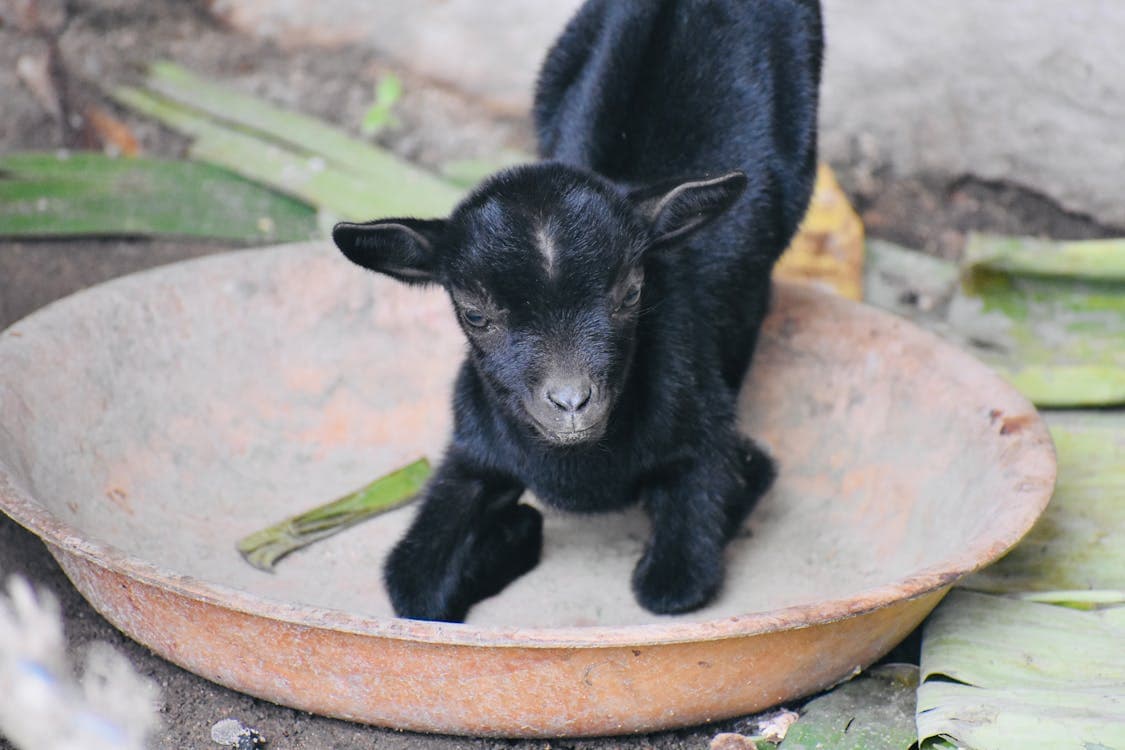
Urinary calculi in goats are mineral stones that form in the urinary tract and can block the flow of urine — most often in wethers and bucks. A complete blockage is a true veterinary emergency: a goat that cannot urinate can die within 24 to 48 hours, so any straining male should be seen by a veterinarian immediately. Also called urolithiasis or "water belly," the condition is largely tied to diet and is far more common in castrated males than in does.
This guide explains what causes urinary calculi, how to recognize the warning signs, what treatment involves, and how to prevent stones through proper minerals, water, and feeding management.
Key takeaways:
- Urinary calculi most often affect male goats (wethers and bucks); a complete blockage is an emergency requiring an immediate vet.
- The biggest risk factors are diet-related: too much grain, an improper calcium-to-phosphorus ratio, and low water intake.
- Prevention centers on a roughly 2:1 calcium-to-phosphorus ratio, ammonium chloride, plenty of clean water, and limiting grain.
What Are Urinary Calculi?
Urinary calculi are hard mineral deposits — essentially stones — that develop in the bladder and urinary tract. When a stone lodges in the narrow urethra, it partially or fully blocks urine from leaving the body. Pressure builds quickly, and without relief the bladder or urethra can rupture.
Male goats are at far greater risk than females because their urethra is long and narrow, with a tight S-shaped curve (the sigmoid flexure) and a thread-like tip called the urethral process. Does have a short, wide urethra that passes most small stones easily, which is why the condition is so heavily skewed toward bucks and wethers.
What Causes Urinary Calculi in Goats?
Stone formation is almost always linked to management and diet rather than bad luck, and several factors usually work together.
Mineral Imbalance and the Calcium-to-Phosphorus Ratio
The single most important nutritional factor is the calcium-to-phosphorus (Ca:P) ratio in the total diet. When goats take in too much phosphorus relative to calcium — common on grain-heavy rations — the excess is excreted in the urine, where it can crystallize into struvite (phosphate) stones. A balanced ratio of roughly 2:1 calcium to phosphorus helps keep those minerals in solution rather than letting them precipitate out.
Grain-Heavy Diets
Concentrates such as corn, oats, and commercial grain mixes are high in phosphorus and low in calcium, skewing the ratio in the wrong direction. Goats fed large amounts of grain — especially fast-growing kids and show wethers pushed for size — are at elevated risk. A forage-first diet built around grass hay or browse is far safer for the urinary tract. Our feeding goats guide covers how to keep forage as the foundation of the ration.
Early Castration
Castration removes testosterone, the hormone that drives the urethra to grow wider as a male matures. Wethers castrated very young may end up with a narrower urethra than they otherwise would, leaving less room for a stone to pass. Many keepers choose to delay castration until a buckling is older to allow more urethral development, though the best timing should be discussed with your veterinarian for your situation.
Low Water Intake
Concentrated urine lets minerals build up and crystallize. Anything that reduces drinking — dirty water, water that is too cold or too warm, or simply not enough sources — raises the risk. Steady, generous water intake keeps urine dilute and flushes small crystals before they grow. See our breakdown of goat water requirements for daily targets and cold-weather tips.
Symptoms: Recognizing the Emergency
Early signs can be subtle and easy to mistake for constipation. If you see a male goat straining and producing little or no urine, treat it as an emergency and call your veterinarian right away.
Watch for:
- Straining to urinate — hunching, stretching out, or repeatedly posturing with little result
- Crying out or vocalizing, often in obvious pain or distress
- Tail twitching or flicking while attempting to urinate
- Restlessness, pawing the ground, getting up and lying down repeatedly, or looking at the abdomen
- Little, no, or dribbling urine, sometimes tinged with blood
- Teeth grinding, going off feed, and abdominal swelling as the condition progresses
| Sign | What it looks like | Urgency |
|---|---|---|
| Straining, little/no urine | Hunched posture, repeated effort, dry or dribbling | Emergency — call vet now |
| Crying out / tail twitching | Vocalizing in pain, flicking tail while posturing | Emergency — call vet now |
| Restlessness, pawing, off feed | Pacing, looking at belly, refusing food | Urgent — examine and call vet |
| Crystals on prepuce hairs | Sandy deposits near the urethral opening | Early warning — act before blockage |
A goat may still pass small amounts of urine with a partial blockage, which can give a false sense of security. Do not "wait and see" overnight — a partial blockage can become complete quickly. If the bladder or urethra ruptures, the goat may briefly appear more comfortable, but this is a grave development, not recovery.
Treatment: This Is a Veterinary Job
Urinary calculi treatment belongs in the hands of a veterinarian. A goat that cannot urinate needs prompt professional intervention, and attempting to manage a full blockage at home wastes time the animal does not have.
Depending on severity, a vet may snip the urethral process (the tiny tip) where stones often lodge, use medication to relax the urethra, flush the urinary tract, or in serious cases perform surgery to bypass or remove the obstruction. Pain relief, fluids, and supportive care are part of treatment. Always work with your veterinarian on any medication, dosing, or procedure — outcomes depend heavily on how quickly the blockage is relieved.
Prognosis worsens with every hour a goat is blocked, which is why recognizing the early signs and preventing stones matter so much. For a broader overview of conditions to watch for, see our guide to common goat diseases.
How to Prevent Urinary Calculi
This condition is largely preventable with sound management — and prevention is far easier, cheaper, and kinder than treating a blockage.
Balance the Calcium-to-Phosphorus Ratio (~2:1)
Aim for a total diet with roughly two parts calcium to one part phosphorus. For most goats, a forage-based diet plus a quality loose mineral does much of this work. If you feed grain, choosing feeds with the correct ratio in mind is essential. A good loose mineral made for goats supports the right balance year-round — our guide to goat minerals and supplements explains what to look for on the label.
Use Ammonium Chloride
Ammonium chloride is a urinary acidifier commonly used to help prevent the most common (struvite) stones from forming by lowering urine pH. It is included in many goat feeds and loose minerals labeled for males and can also be supplemented during higher-risk periods. Because correct dosing depends on the diet and the individual animal, work with your veterinarian to decide whether and how much to use.
Provide Ample Fresh, Clean Water
Encourage steady drinking so urine stays dilute. Practical steps include:
- Offer multiple clean water sources and refresh them daily.
- Keep water from freezing in winter and reasonably cool in summer.
- Make sure salt is available, which naturally drives water intake.
Loose salt and good water management go hand in hand — see goat water requirements for season-by-season guidance.
Limit Grain and Feed Forage First
Build the ration around grass hay or browse and treat grain as a supplement, not a staple. Most wethers kept as pets or companions need little to no grain at all. If you must feed concentrates, keep portions modest and watch the mineral balance. Our feeding goats guide walks through forage-first rations for different ages and purposes.
Delay Castration When Practical
Allowing a buckling more time before castration can let the urethra develop a wider diameter, giving small stones a better chance of passing. Timing involves trade-offs around behavior and unwanted breeding, so discuss the right age for your herd with your veterinarian. And because males carry nearly all the risk, watch wethers and bucks for normal urination — especially after diet changes or during cold snaps — so you catch trouble early.
Frequently Asked Questions
Can female goats get urinary calculi?
Does can form stones, but blockages are rare because their urethra is short and wide, so small stones usually pass without causing a problem. The condition is overwhelmingly a concern in wethers and bucks. Prevention through proper minerals and water still benefits the whole herd.
How fast does urinary calculi become fatal in goats?
A complete blockage can become life-threatening within roughly 24 to 48 hours as the bladder fills and pressure builds toward rupture. This is why straining with little or no urine is treated as an emergency. Do not wait overnight — contact your veterinarian as soon as you notice the signs.
Does ammonium chloride cure urinary calculi?
Ammonium chloride is mainly a preventive tool that lowers urine pH to discourage struvite stones from forming. It is not a reliable emergency cure for a goat that is already fully blocked, which requires veterinary intervention. Use it as part of a prevention plan under your vet's guidance.
What should I feed a wether to prevent stones?
Center the diet on grass hay or browse, provide free-choice loose minerals formulated for goats (ideally with ammonium chloride), keep salt and clean water available at all times, and avoid grain whenever possible. This forage-first approach keeps the calcium-to-phosphorus ratio favorable and urine dilute.
Can a goat recover from urinary calculi?
Many goats recover when a blockage is relieved quickly by a veterinarian, but the prognosis worsens the longer the urethra stays obstructed. Goats that have had stones once are prone to recurrence, so lifelong prevention is essential.
Final Thoughts
Urinary calculi in goats is a serious, common, and largely preventable condition that hits male goats hardest. The same management that prevents stones — a forage-first diet, a balanced calcium-to-phosphorus ratio, ammonium chloride where appropriate, generous clean water, limited grain, and thoughtful castration timing — also supports overall herd health. Learn the warning signs, watch your wethers and bucks closely, and when a male strains to urinate, do not wait: this is an emergency. For diagnosis, treatment, and any medication or dosing decisions, always consult your veterinarian.

About Dr. Elma K. Johnson
Expert farmers and veterinarians with over 20 years of experience in goat farming and animal husbandry.
Related Articles
Goat Lifespan: How Long Do Goats Live and What Affects It
How long do goats live? Most goats reach 10-15 years. Learn how breed, sex, and care affect goat lifespan, plus practical tips to help yours live longer.