How to Introduce New Goats to Your Herd: A Step-by-Step Guide
Learn the safest methods for introducing new goats to your existing herd, including quarantine protocols, gradual introduction techniques, and managing herd dynamics.

Elma K. Johnson
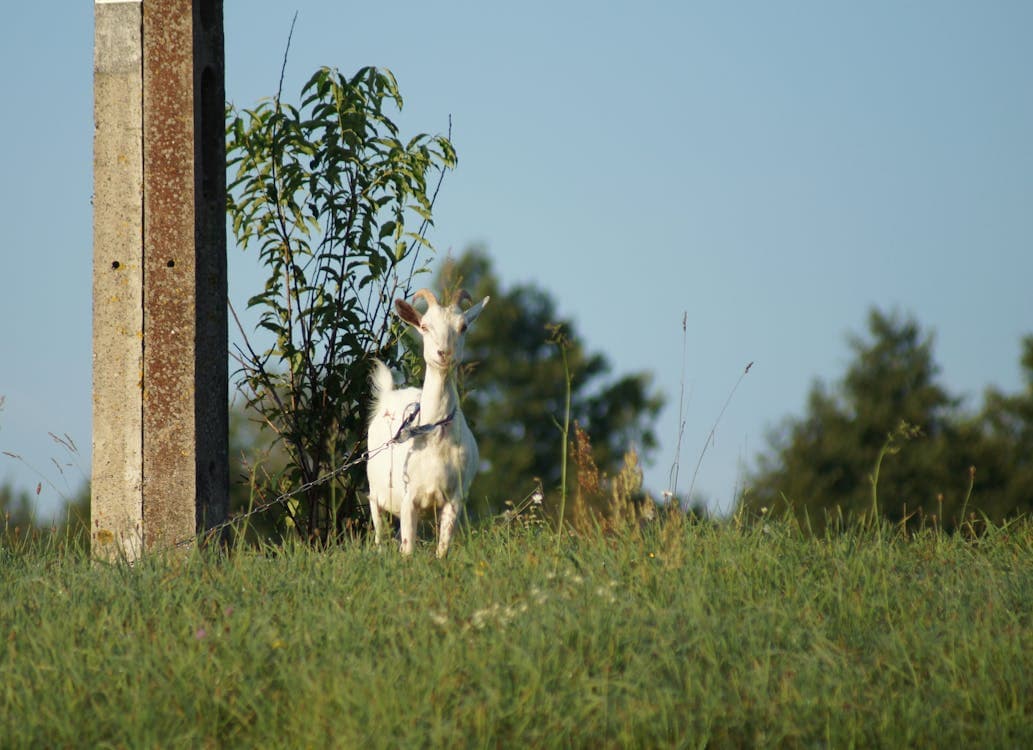
Bringing new goats onto your property is one of the most exciting parts of growing a herd, but it is also one of the most critical moments to get right. A poorly managed introduction can spread disease, cause serious injuries, and create lasting stress that affects milk production, weight gain, and overall herd health. Whether you are adding a single doe or merging two groups, following a structured introduction process protects every animal on your farm and sets the stage for a peaceful, productive herd.
Why Proper Introductions Matter
Goats are social animals with well-defined hierarchies. When a newcomer appears, the existing herd must figure out where that animal fits in the pecking order, and that process naturally involves some posturing, chasing, and head-butting. Without a careful plan, that normal jockeying can escalate into dangerous aggression that leaves animals injured or chronically stressed.
Beyond behavior, there is an even more pressing reason to take introductions slowly: disease prevention. A goat that looks perfectly healthy at the time of purchase may be carrying contagious conditions that do not show symptoms for days or weeks. Caseous lymphadenitis (CL), caprine arthritis encephalitis (CAE), Johne's disease, and a range of common goat diseases can silently enter your herd if you skip biosecurity steps. Parasites are another major concern. New goats often carry worm loads adapted to a different environment, and mixing parasite populations can overwhelm animals that had previously been coping well. Understanding how to identify goat parasites before and after introduction is essential.
A structured introduction also reduces stress for both the newcomers and the existing herd. Stress suppresses the immune system, disrupts digestion, and can trigger a cascade of health problems that cost far more time and money than a few extra weeks of careful management.
Step 1: Quarantine New Arrivals
The single most important step in any introduction is a 30-day quarantine period. This means housing the new goat or goats in a completely separate area where they have no direct physical contact with your existing herd. Ideally, the quarantine space is far enough away that nose-to-nose contact through a fence is not possible.
During quarantine, follow this protocol:
- Perform a full health assessment on arrival. Check body condition, hooves, eyes, coat, and udder (if applicable). Look for abscesses, nasal discharge, limping, or any sign of illness.
- Run diagnostic tests. At minimum, test for CAE and CL. Depending on your region, you may also want to test for Johne's disease and brucellosis. Your veterinarian can guide you on what is most relevant to your area.
- Conduct a fecal egg count. This tells you the parasite burden the new goat is carrying. Work with your vet to determine whether deworming is needed and which product to use. Proper deworming protocol matters, so review how to deworm goats if you are not already familiar with best practices.
- Trim hooves and treat any existing conditions. Quarantine is the time to address foot rot, lice, or nutritional deficiencies before the animal joins the group.
- Monitor daily. Watch for coughing, diarrhea, lethargy, loss of appetite, or any behavioral changes over the full 30 days. Some diseases have incubation periods of two to three weeks, which is why the full month matters.
Use separate feeding equipment, water buckets, and tools for quarantined animals. Change clothes and wash hands or boots before moving between the quarantine area and your main herd. This level of caution may feel excessive, but a single disease outbreak can devastate a herd you have spent years building.
Step 2: Side-by-Side Introduction
Once the quarantine period is complete and you are confident the new goats are healthy, the next phase is fence-line contact. Place the newcomers in a pen or paddock that shares a fence with the existing herd so they can see, smell, and hear each other without being able to make full physical contact.
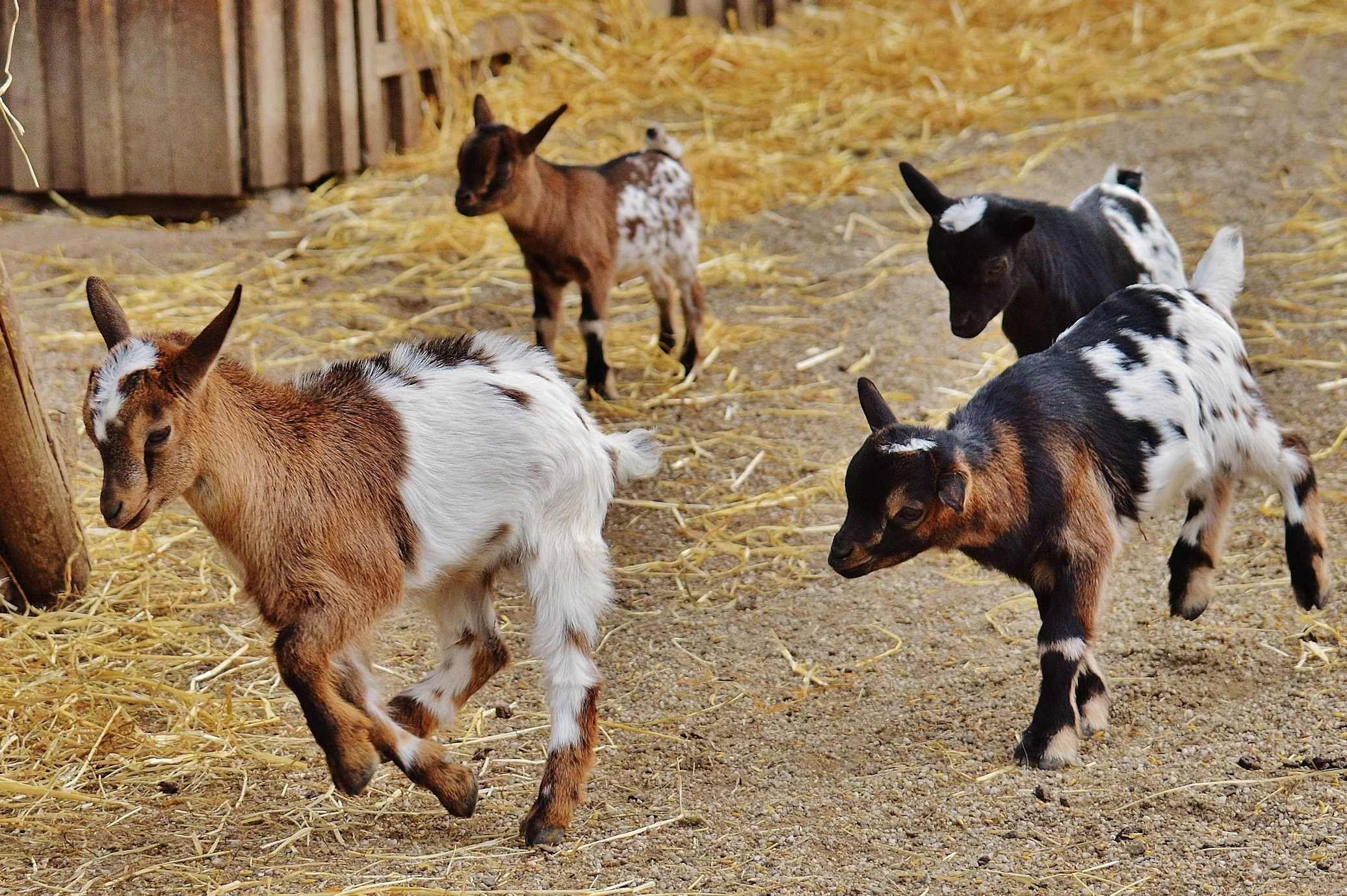
This stage typically lasts one to two weeks and accomplishes several things:
- The existing herd gets used to the sight and scent of the new animals, reducing the novelty factor that drives aggressive behavior.
- The newcomers can begin to learn the routines, sounds, and rhythms of your farm without the pressure of direct competition for food and space.
- Both groups start to establish a tentative social understanding through the safety of the fence.
A sturdy fence is critical here. Goats will push, lean, and test the barrier, so make sure it can withstand that pressure. If you need guidance on building reliable fencing, including on uneven terrain, take a look at how to build goat fence on slope.
During this phase, watch for signs of extreme aggression from either side. Some posturing and fence-running is normal. Constant, frantic attempts to fight through the fence may indicate that you need to slow down or adjust the arrangement, perhaps by adding a visual barrier for part of the day to give both groups a break.
Step 3: Supervised Direct Contact
After a week or two of fence-line exposure, it is time for the first face-to-face meetings. These should be short, supervised sessions in a neutral space if possible. A neutral area is one that neither group considers "theirs," which reduces territorial behavior. A large, open pasture works well because it gives subordinate animals room to retreat.
Key guidelines for supervised contact:
- Start with 30 to 60 minutes and gradually increase the duration over several days.
- Provide multiple feeding and watering stations spread far apart so lower-ranking goats are not blocked from resources.
- Stay present and watchful. Some head-butting, mounting, and chasing is completely normal as goats work out the hierarchy. Intervene only if an animal is being cornered with no escape, if injuries occur, or if one goat is relentlessly targeting another without breaks.
- Separate the groups again after each session for the first few days, returning them to their adjacent-but-separate pens.
- Introduce during calm weather when possible. Rain, extreme heat, or cold can add stress that makes animals more irritable.
It often helps to time the first direct contact for just after feeding, when goats are full and less competitive. Some farmers also find that introducing goats in the late afternoon works well because the herd will naturally settle down as evening approaches.
Step 4: Full Integration
Once supervised sessions are going smoothly with minimal conflict, usually after five to seven days of increasing contact, you can allow the new goats to stay with the herd full-time. Even at this stage, keep a close eye on the group for the first week or two of full integration.
- Monitor feeding behavior. Make sure new goats are actually getting to eat and drink. Dominant animals may subtly block access without overt aggression.
- Watch for weight loss or changes in condition. A goat that is being chronically harassed may start dropping weight before you notice the bullying.
- Ensure adequate shelter space. Overcrowding in the barn at night can intensify conflict. Every goat needs enough room to lie down comfortably and move away from dominant herd mates. If your current barn is tight, it may be time to expand. Our guide on how to build goat barn covers the essentials of sizing and layout.
Full integration is not a single moment but a gradual transition. Even after the new goats are living with the herd, the social hierarchy will continue to shift and settle for several weeks.
Managing Herd Hierarchy
Every goat herd has a pecking order, and every new addition disrupts it. Understanding this hierarchy helps you distinguish between normal social behavior and dangerous aggression.
Normal behaviors during integration include:
- Head-butting where both goats rear up and clash heads. This is the classic dominance display and is rarely harmful between evenly matched animals.
- Pushing and shoving at feeders or around resting areas.
- Chasing that is brief and ends when the subordinate moves away.
- Mounting as a dominance gesture, performed by both males and females.
Dangerous behaviors that require intervention include:
- Relentless targeting of one animal with no rest periods, preventing the victim from eating, drinking, or lying down.
- Slamming a smaller or weaker goat against walls, fences, or into corners where it cannot escape.
- Biting or repeated ramming to the flank or side of a goat that has already submitted.
- Visible injuries such as bleeding, limping, or swelling after confrontations.
If you see dangerous behavior, separate the aggressor for a day or two and try again. Some goats need several rounds of short introductions before they accept a newcomer. In rare cases, a particularly aggressive individual may need to be housed separately long-term or rehomed.
Special Considerations
Not all introductions are the same. The dynamics change depending on the age, sex, and background of the animals involved.
- Introducing bucks. Intact males should never be introduced to other bucks during rut. Hormones run high and fights can be severe. Wait until the off-season, and even then, expect more intense sparring than you would see among does. Always have a solid, separate buck pen available.
- Introducing kids. Young goats are especially vulnerable to bullying from adults. If possible, introduce kids alongside their dam so they have a protector. If the kid is an orphan or bottle baby, keep it with other young animals or provide a creep area where kids can escape but adults cannot follow.
- Mixing breeds and sizes. A full-sized Boer can easily injure a Nigerian Dwarf during normal head-butting. When there is a significant size difference, extend the fence-line phase and provide plenty of escape routes and shelters that smaller goats can access but larger ones cannot.
- Adding a single goat. A lone newcomer has a harder time than a pair because there is no companion for mutual support. If you are only adding one goat, consider keeping it next to the most docile member of your herd during the fence-line phase to build a bond before full integration.
Common Mistakes to Avoid
Even experienced goat keepers sometimes rush the process or overlook details. Here are the most frequent mistakes and how to prevent them:
- Skipping quarantine. This is by far the most common and most costly error. Even a goat from a trusted breeder can carry disease. Never skip the 30-day isolation.
- Introducing at the feeder. Dropping a new goat into the herd at feeding time guarantees conflict. Food competition brings out the worst in herd dynamics.
- Overcrowding. Adding more animals to an already cramped space amplifies stress and aggression. Make sure your pasture, barn, and feeding stations can comfortably support the larger group before bringing new animals home.
- Ignoring subtle bullying. Not all aggression is dramatic. A dominant goat that quietly blocks a newcomer from the water trough or best resting spot can cause real harm over time. Watch for the quiet signs: a goat standing alone, not eating when others eat, or always being the last to enter the shelter.
- Introducing too many at once. Adding several new animals simultaneously can overwhelm the existing herd. If you need to bring in a large group, do it in stages, integrating a pair at a time.
- Not having a backup plan. Sometimes an introduction simply does not work. Have a separate pen ready so you can pull an animal out quickly if things go wrong, rather than scrambling to find a solution in the moment.
Introducing new goats to your herd takes patience, preparation, and careful observation. The process may feel slow, especially when you are eager to see your new animals settle in, but every day you invest in a proper introduction pays dividends in herd health, harmony, and long-term productivity. Take the time, follow the steps, and you will build a stronger herd for it.

About Elma K. Johnson
Expert farmers and veterinarians with over 20 years of experience in goat farming and animal husbandry.
Related Articles
Goat Lifespan: How Long Do Goats Live and What Affects It
How long do goats live? Most goats reach 10-15 years. Learn how breed, sex, and care affect goat lifespan, plus practical tips to help yours live longer.