Goat Lifespan: How Long Do Goats Live and What Affects It
How long do goats live? Most goats reach 10-15 years. Learn how breed, sex, and care affect goat lifespan, plus practical tips to help yours live longer.

Dr. Elma K. Johnson
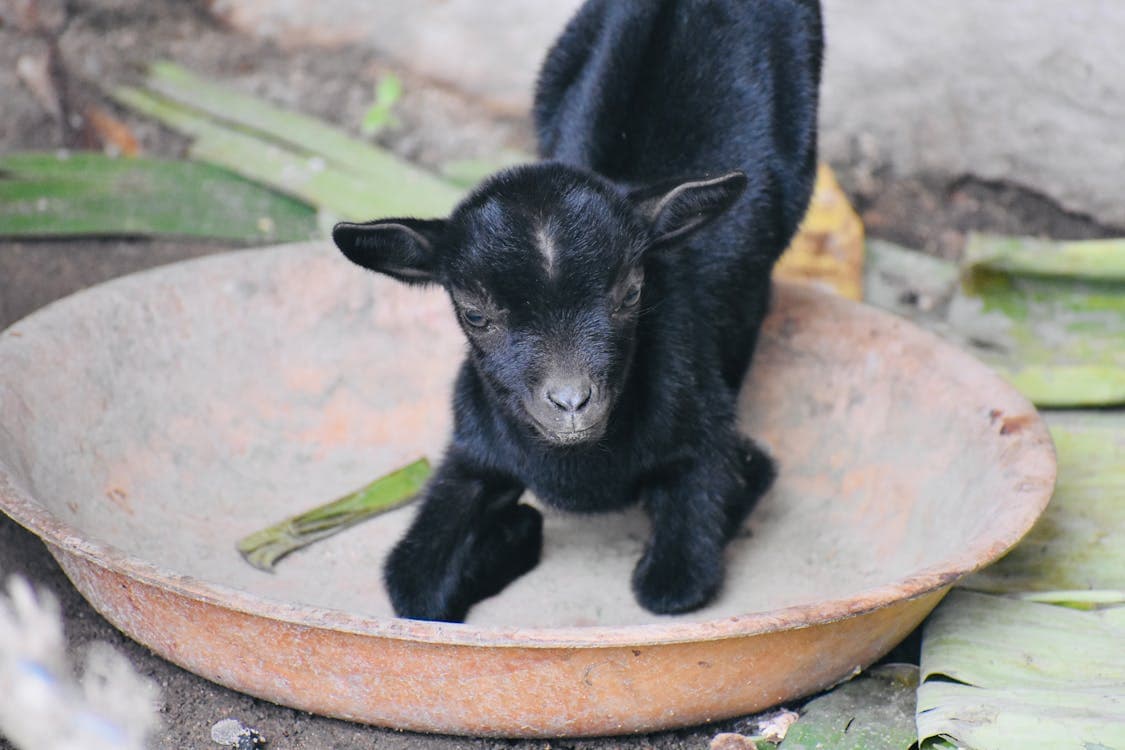
Goats commonly live about 10-15 years, though this varies by breed, sex, and the quality of care they receive. With excellent nutrition, parasite control, and routine health care, many goats reach the upper end of that range, and some smaller breeds live into their late teens. Hard-working breeding animals and goats raised in harsh conditions often have shorter lives.
Key takeaways:
- Most goats live 10-15 years, with well-cared-for individuals often reaching 15-18.
- Miniature breeds tend to be long-lived, while heavy meat breeds and hard-bred does often live a bit less.
- Care matters more than genetics for most goats: good feed, parasite control, dental health, and routine veterinary attention add years.
How Long Do Goats Live on Average?
The typical pet or hobby goat lives roughly 10 to 15 years, similar to a dog. Productive longevity, meaning the years a goat is actively milking or breeding, is usually shorter than total lifespan. A dairy doe may produce well for 7 to 10 years even though she can live longer in retirement.
Lifespan is best thought of as a range shaped by genetics and management rather than a fixed number. A goat that escapes predators, avoids heavy parasite loads, and gets balanced nutrition has every chance of a long life.
Goat Lifespan by Type
Size, purpose, and sex all nudge the average. The table below shows typical ranges. Treat these as general estimates, since individual goats vary widely.
| Goat type | Typical lifespan | Notes |
|---|---|---|
| Miniature breeds (Nigerian Dwarf, Pygmy) | 12-18 years | Often the longest-lived; popular as pets |
| Standard dairy breeds (Nubian, Alpine, Saanen, LaMancha) | 10-14 years | Heavy milkers may wear down sooner |
| Meat breeds (Boer, Kiko) | 8-12 years | Larger frame, heavier production demands |
| Fiber breeds (Angora, Cashmere) | 10-12 years | Can be sensitive to weather and parasites |
| Wethers (castrated males) | 11-16 years | Frequently the longest-lived if urinary issues are avoided |
| Does (breeding females) | 10-14 years | Repeated kidding adds stress |
| Bucks (intact males) | 8-12 years | Rut stress and fighting take a toll |
Why Miniature Goats Often Live Longer
Smaller breeds generally place less metabolic strain on their bodies than large, heavily producing animals. Because many miniatures are kept as pets rather than pushed for maximum milk or meat, they also tend to receive attentive individual care. If you are weighing breeds, our guides to the best goat breeds for beginners and the smallest goat breeds explain which goats suit pet and small-acreage keepers.
Factors That Affect Goat Longevity
Nutrition and Minerals
A goat's lifespan rests heavily on its diet. The rumen needs plenty of long-fiber forage such as good hay and browse, supported by appropriate concentrates only when needed. Chronic over-feeding of grain, on the other hand, contributes to obesity and metabolic problems.
Mineral balance is just as important. Copper and selenium deficiencies are common in many regions and quietly undermine health over years. A free-choice loose mineral formulated for goats helps; see our overview of goat minerals and supplements for what to provide.
Parasite Control
Internal parasites, especially the barber pole worm, are among the leading causes of preventable death in goats. Heavy worm burdens cause anemia, weight loss, and death, and they hit kids and stressed does hardest.
Effective parasite management means strategic deworming based on need rather than calendar habit, combined with pasture rotation. Our guide on how to deworm goats explains how to use tools like FAMACHA scoring and fecal checks so you treat the animals that need it without breeding resistance.
Dental and Teeth Wear
Goats grind forage with their molars throughout life, and those teeth gradually wear down. Older goats often lose incisors or develop uneven molars, making it harder to chew. A goat that cannot process hay efficiently loses condition even when feed is plentiful.
Check the mouths of senior goats regularly. Aging animals frequently do better on soaked feeds, chopped forage, or higher-quality leafy hay that is easier to chew.
Routine Health Care
Predictable, low-drama care extends life. That includes:
- Annual or twice-yearly health checks and CDT vaccination as advised locally.
- Regular hoof trimming to prevent lameness and hoof disease.
- Prompt attention to coughing, scours, off-feed behavior, or weight loss.
For diagnosis and treatment of any illness, work with your veterinarian. A vet who knows your herd can catch problems early, when they are most treatable.
Reproductive Stress on Does
Kidding is demanding. Does bred too young, too often, or without recovery time between pregnancies tend to wear down sooner. Giving does adequate rest, good nutrition through gestation and lactation, and attentive kidding support all protect their long-term health and longevity.
Urinary Issues in Wethers and Bucks
Male goats, especially wethers castrated very early, are prone to urinary calculi (stones) that can block the urethra and become life-threatening. Diets too high in grain and the wrong calcium-to-phosphorus balance raise the risk. Plenty of fresh water, a forage-based diet, proper mineral balance, and avoiding excessive grain all help. Discuss prevention with your vet, particularly for pet wethers.
Predators, Injury, and Environment
Even healthy goats can have their lives cut short by predators, fence injuries, or exposure. Secure fencing, safe shelter, and good herd management reduce these losses. Because goats are social, herd dynamics matter too; understanding goat behavior helps you spot bullying, stress, or a sick animal hanging back from the group.
How to Help Your Goats Live Longer
- Feed for the rumen: prioritize quality forage, supplement minerals, and limit grain.
- Stay ahead of parasites: monitor with FAMACHA and fecal checks, rotate pasture, deworm strategically.
- Provide clean water year-round: dehydration stresses every body system.
- Trim hooves and check teeth regularly, adjusting feed for aging mouths.
- Keep vaccinations and vet checks current, and act fast on early symptoms.
- Manage breeding sensibly, giving does recovery time between kiddings.
- Protect against predators and weather with secure fencing and dry shelter.
Frequently Asked Questions
What is the oldest age a goat can live to?
While 10-15 years is typical, well-cared-for goats sometimes reach their late teens, and individuals living past 18 are occasionally reported. These long lives usually reflect excellent nutrition, strong parasite control, and freedom from heavy breeding demands.
Do male or female goats live longer?
Castrated males, or wethers, are often the longest-lived because they avoid both breeding stress and rut. Does can live long lives too, but repeated kidding shortens longevity for some. Intact bucks tend to live the shortest on average due to rut stress and fighting.
Do pet goats live longer than farm goats?
Often, yes. Pet goats are usually not pushed for maximum milk or meat production and tend to receive close individual attention, which catches problems early. Smaller pet breeds also benefit from naturally longer lifespans.
What do goats usually die from?
Common causes of premature death include heavy parasite loads, urinary blockages in males, complications around kidding, and predator attacks. Many of these are preventable with good management, which is why routine care has such a large effect on lifespan.
Final Thoughts
Most goats live 10 to 15 years, but where an individual lands in that range is largely in your hands. Solid nutrition, diligent parasite control, attention to teeth and hooves, sensible breeding, and regular veterinary care all add up to extra healthy years. Treat longevity as the long-term result of everyday good husbandry, and partner with your veterinarian for anything beyond routine care.

About Dr. Elma K. Johnson
Expert farmers and veterinarians with over 20 years of experience in goat farming and animal husbandry.
Related Articles
Goat Lice vs Mites: How to Tell the Difference and Treat Both
Goat lice vs mites confusing you? Learn to tell biting/sucking lice from mange-causing mites, spot the symptoms, and treat both with your vet's help.