Newborn Baby Goat Care: The First 24 Hours After Birth
Newborn baby goat care made simple: a time-based checklist for clearing airways, colostrum, navel dipping, warming, and the warning signs that need a vet.

Dr. Elma K. Johnson
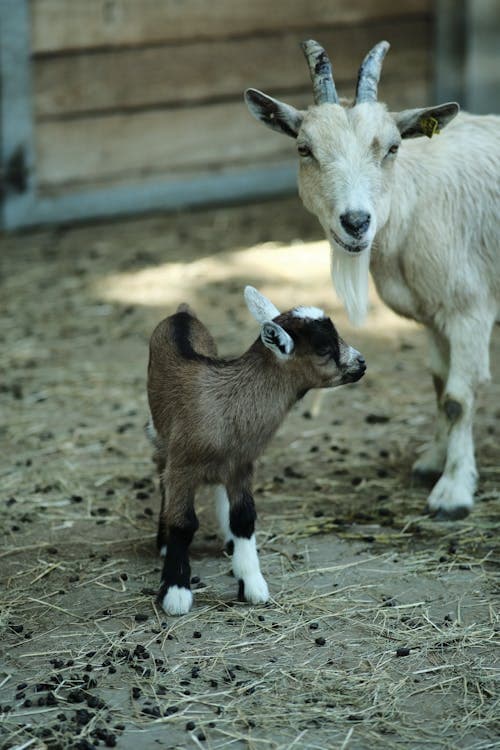
Newborn baby goat care in the first 24 hours comes down to four priorities: clear the kid's airway and dry it off, get warm colostrum into its belly within the first few hours, dip the navel in iodine, and confirm the kid is standing and nursing. The first day decides whether a kid thrives or fades, and most problems are preventable if you know what to watch for and act quickly. This guide walks you through that critical window minute by minute.
Key takeaways:
- Colostrum within the first 6 hours is the single most important thing you can do - it delivers the antibodies a newborn kid cannot make on its own.
- A chilled, weak, or non-nursing kid is an emergency; warm it and intervene before it crashes.
- Dip the navel in 7% iodine to block infection, and keep the kid dry and out of drafts.
The First Few Minutes: Airway and Drying
The moment a kid hits the ground, two things matter most: it needs to breathe, and it needs to get dry and warm.
Most does will immediately turn and start licking their kids clean, which clears mucus and stimulates circulation. Let her do this work whenever she is willing - that bonding licking is important. But stay close and be ready to step in.
Clear the airway first. Wipe mucus away from the nose and mouth with a clean towel. If the kid sounds congested or is gurgling, lower its head briefly to let fluid drain. A bulb syringe or nasal aspirator gently suctions the nostrils and back of the throat. Never swing a kid by the legs - the old "helicopter" trick can cause internal injury and is no longer recommended.
If a kid is not breathing within a few seconds, rub it vigorously along the ribs and spine with a rough towel. This stimulates the first breath much like the dam's licking does. A piece of clean straw tickled inside a nostril often triggers a sneeze and a gasp. Most quiet kids come around within a minute of brisk rubbing.
Then get the kid dry. A wet newborn loses body heat fast, especially in cold or wet weather. Towel the kid down thoroughly, paying attention to the ears, belly, and legs where moisture lingers. In cold conditions a hair dryer on low or a heat lamp positioned safely out of reach of bedding can finish the job.
Within the First Hour: The Navel and Standing
Once the kid is breathing and drying off, turn to the umbilical cord and the kid's first attempts to stand.
Dipping the Navel in Iodine
The umbilical cord is an open highway straight into the kid's bloodstream, and the navel is one of the most common entry points for infection (including joint ill and navel ill). Dipping it closes that door.
- Use 7% iodine tincture poured into a small, clean cup or a dedicated navel-dip container.
- If the cord is longer than about two inches, you can trim it with sterile scissors and, if it is still bleeding, tie it off with dental floss.
- Submerge the entire navel stump in the iodine for several seconds, then let the kid go. The iodine both disinfects and helps dry the cord so it shrivels and drops off cleanly.
- Many keepers dip a second time several hours later for added protection.
Watch the navel over the following days. It should dry up and fall away on its own. Heat, swelling, oozing, or a foul smell signals infection and warrants a call to your veterinarian.
Getting the Kid Standing and Steady
Healthy kids are remarkably quick. Within 15 to 30 minutes most are making wobbly attempts to stand, and within an hour many are upright and searching for the udder. This drive to stand and seek the teat is one of the best early signs that a kid is strong and neurologically sound.
A kid that lies flat and makes no effort to rise after an hour deserves closer attention - it may be chilled, weak, or simply slower, but it should be on your radar.
The First Few Hours: Colostrum Is Everything
If you remember one thing from this entire guide, make it this: colostrum within the first few hours is the most critical part of newborn baby goat care.
Colostrum is the thick, yellowish first milk the doe produces. It is packed with antibodies (immunoglobulins) that pass temporary immunity to the kid. Newborn goats are born with almost no immune defense of their own, and their gut can only absorb these antibodies efficiently for a short window after birth.
Why the Timing Window Is So Tight
A kid's intestine absorbs antibodies best in the first 6 hours and the ability fades quickly after that, closing substantially by about 24 hours. A kid that nurses promptly gets full protection; a kid that misses the window stays vulnerable to disease no matter how much it drinks later.
As a general guideline, kids should take in roughly 10% of their body weight in colostrum over the first 24 hours, split into several feedings, with the first feeding ideally inside the first couple of hours. For a small kid that may only be a few ounces at a time, fed frequently.
Make Sure the Kid Is Actually Nursing
A kid bouncing around the udder is not the same as a kid swallowing milk. Confirm real intake:
- Watch for the teat in the mouth and visible swallowing, with the tail often flicking.
- Feel the kid's belly - it should feel pleasantly full, not sunken.
- Check the doe's teats. First-time does sometimes have waxy plugs; strip a little milk by hand to open the teat and confirm it flows.
If a kid cannot latch, is too weak to suckle, or the dam rejects it, milk the doe and feed the colostrum yourself by bottle, or by tube if the kid is too weak to swallow. Tube feeding is a learned skill - have your vet or an experienced keeper show you before you need it. If the doe has no colostrum, frozen colostrum from a previous season or a quality commercial colostrum replacer is your backup. For ongoing milk feeding once the kid is past the colostrum stage, see our guide to bottle-feeding baby goats.
A Time-Based Checklist for the First 24 Hours
Use this as a quick reference during a busy kidding. Timings are guidelines - every kid is a little different.
| Time after birth | What to do | What you want to see |
|---|---|---|
| 0 - 5 minutes | Clear nose and mouth; rub the kid dry and stimulate breathing | Kid breathing steadily, lifting its head |
| 5 - 30 minutes | Towel fully dry; dip navel in 7% iodine; let the dam bond and lick | Kid warm, dry, alert, trying to rise |
| 30 - 60 minutes | Help the kid find the udder; confirm teats flow | Kid standing, searching for milk |
| 1 - 3 hours | Confirm the first colostrum feeding; check belly is full | Visible swallowing, full belly |
| 3 - 12 hours | Repeat colostrum feedings; monitor warmth and energy | Kid active, urinating, passing first dark stool (meconium) |
| 12 - 24 hours | Recheck navel; weigh if possible; confirm steady nursing | Bright, strong, gaining condition |
For a fuller picture of the birth itself and what happens just before a kid arrives, pair this checklist with our goat kidding guide, and if you are still counting down to delivery, review the signs of a pregnant goat.
Watching for Chilling, Weakness, and Rejection
Three problems account for most newborn losses in the first day: chilling (hypothermia), weakness from not eating, and rejection by the dam. They often feed into each other - a chilled kid is too cold to nurse, and a kid that does not nurse gets colder.
Recognizing a Chilled Kid
A newborn's normal rectal temperature sits around 101.5 to 103.5°F, similar to an adult goat. Cold ears and a cold mouth are early warning signs. A kid that is hunched, shivering, or limp and unresponsive is dangerously chilled.
To warm a mildly chilled kid, bring it somewhere warm, dry it completely, and snug it against a heat source - a warm towel, a heat lamp at a safe distance, or your own body. A classic farm method is a warm-water bath (keeping the head out), drying thoroughly afterward.
Important: never bottle- or tube-feed a severely chilled kid that is too cold to swallow. A cold gut cannot digest, and milk can pool and cause harm. Warm the kid first; once it is up to temperature and showing a suck reflex, then feed. Very weak, severely hypothermic kids often need a vet, who may give warmed fluids or an energy boost.
Weakness and "Failure to Thrive"
A weak kid may have been born small, been chilled, or simply missed colostrum. Signs include a tucked-up empty belly, a weak or absent suck, lethargy, and crying that fades. The fix is the same trio: warmth, then colostrum, then careful monitoring - and a vet if the kid does not perk up.
Handling Rejection
Some does, especially first fresheners, hesitate to accept a kid - sniffing, walking away, or even butting. Often patience helps: hold the doe still, let the kid nurse, and the bonding hormones do their work over a few feedings. Rubbing birth fluids on the kid or holding the doe in a stanchion at feeding times can help. If she truly will not accept the kid, you may need to commit to bottle-feeding.
Dam-Raising vs. Bottle-Feeding: Making the Call
Within the first day you will usually settle on how the kid gets fed going forward. There is no single right answer - it depends on the dam, the kid, and your goals.
| Factor | Dam-raising | Bottle-feeding |
|---|---|---|
| Labor for you | Low - doe does the work | High - feedings every few hours at first |
| Kid temperament | More independent | Very friendly, bonded to people |
| Best for | Most healthy kids, meat or pasture herds | Rejected/orphaned kids, dairy programs, weak kids |
| Disease control | Standard | Easier to manage (e.g., heat-treated colostrum) |
| Milk for you | Doe nurses kids | You control milk supply |
Dam-raising is the default and usually the easiest path when the doe is attentive and producing milk. Choose or fall back to bottle-feeding when a kid is orphaned, rejected, one of triplets or quads the doe cannot fully support, too weak to compete at the udder, or when you are running a dairy and want the milk. Even dam-raised kids should be handled daily so they stay friendly and easy to manage. Our guide on caring for goat kids covers the weeks that follow, whichever route you choose.
Warning Signs That Need Intervention or a Vet
Call your veterinarian, or at minimum step in, if you see any of the following in the first 24 hours:
- A kid not breathing despite vigorous rubbing and airway clearing.
- A kid that has not stood or attempted to nurse within a couple of hours.
- A chilled, limp, or unresponsive kid, or one too cold to suckle.
- No colostrum intake by a few hours of age.
- No urine or no meconium (the first dark, sticky stool) within the first day.
- A swollen, hot, oozing, or foul-smelling navel.
- Persistent straining, bloating, or a distended belly.
- A doe with no milk, or one that flatly rejects her kid.
When in doubt, a quick phone call to your vet is far cheaper than losing a kid. Newborn problems escalate in hours, not days, so err on the side of acting early.
Frequently Asked Questions
How soon after birth should a baby goat drink colostrum?
Ideally within the first hour or two, and certainly within the first 6 hours. The kid's gut absorbs protective antibodies best early on and that ability fades by about 24 hours. The sooner a kid nurses, the stronger its early immunity.
What temperature should a newborn goat kid be?
A healthy newborn kid's rectal temperature is roughly 101.5 to 103.5°F, the same range as an adult goat. Cold ears and a cold mouth are early signs of chilling. A kid below that range needs to be warmed before it is fed.
How do I know if a newborn kid is nursing enough?
Watch for the teat in the mouth and visible swallowing, then feel the belly - it should be rounded and full rather than tucked up and empty. As a rough target, kids take in about 10% of their body weight in milk over the first day, fed in several portions.
Why is my doe ignoring her newborn kid?
First-time does sometimes need a little time to bond. Hold her still, let the kid nurse, and the bonding hormones usually kick in over a few feedings. If she keeps refusing after patient attempts, be ready to bottle-feed and consult your vet if anything seems wrong with the doe.
When should I call a vet for a newborn goat?
Call if a kid will not breathe, cannot stand or nurse within a couple of hours, is chilled and limp, gets no colostrum, passes no urine or meconium in the first day, or develops a hot, swollen navel. Newborn emergencies move fast, so call early rather than waiting.
Final Thoughts
The first 24 hours set the course for a kid's entire life, and the good news is that solid newborn baby goat care is mostly about a handful of simple, well-timed actions: clear the airway, dry and warm the kid, get colostrum in early, dip the navel, and confirm the kid is standing and nursing. Keep your kidding kit stocked, watch closely for chilling and weakness, and trust your instincts - a calm, prepared keeper who acts early saves far more kids than any single piece of equipment. When something looks off, lean on your veterinarian without hesitation.

About Dr. Elma K. Johnson
Expert farmers and veterinarians with over 20 years of experience in goat farming and animal husbandry.
Related Articles
Goat Gestation Period: How Long Are Goats Pregnant?
How long is the goat gestation period? Goats are pregnant about 145-155 days. Learn breed variation, stages, due-date math, and prenatal care.