Goat Gestation Period: How Long Are Goats Pregnant?
How long is the goat gestation period? Goats are pregnant about 145-155 days. Learn breed variation, stages, due-date math, and prenatal care.

Dr. Elma K. Johnson
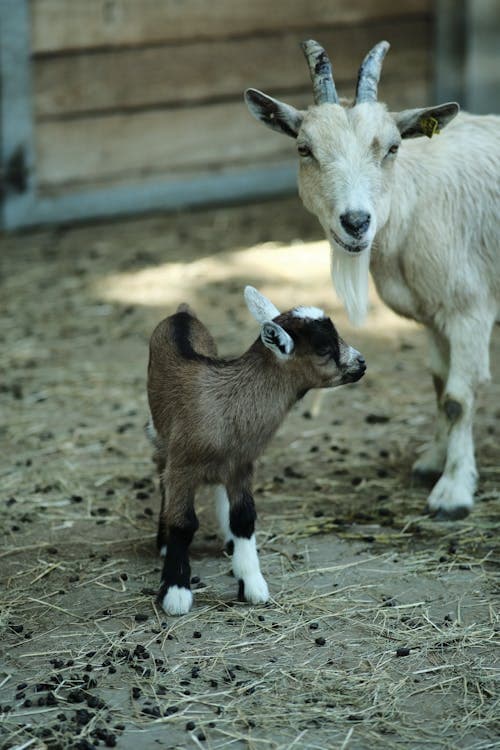
The goat gestation period is roughly 145 to 155 days, or about five months, with an average of around 150 days. If you know the exact breeding date, you can count forward about 150 days to estimate when your doe will kid. Most healthy does deliver within a few days on either side of that mark, which is why experienced keepers start watching closely around day 145.
Key takeaways:
- A goat is pregnant for approximately 5 months (145-155 days), averaging ~150 days.
- Smaller breeds and does carrying large litters often kid a few days early; first-time mothers can run slightly longer.
- Mark your "on alert" date at day 145 from breeding and have your kidding kit ready.
How Long Are Goats Pregnant?
Across nearly all domestic goat breeds, the gestation period falls within a tight window of 145 to 155 days - roughly five months. The 150-day average is the number most keepers plan around, but individual does and breeds vary within the normal range.
Two factors push a doe toward the early or late end of that window:
- Breed size. Smaller breeds such as Nigerian Dwarf and Pygmy goats tend to gestate on the shorter end, closer to 145-148 days. Larger dairy and meat breeds like Nubian, Saanen, and Boer often run nearer the 150-155 day mark.
- Litter size. A doe carrying triplets or quadruplets frequently delivers a day or two earlier than one carrying a single kid.
A kid born before about 142 days is considered premature and may need extra support, while a pregnancy stretching well past 155 days is worth a call to your veterinarian.
Gestation by Breed (General Ranges)
These ranges reflect typical, well-established figures and will vary by individual doe, year, and herd.
| Breed type | Example breeds | Typical gestation |
|---|---|---|
| Miniature | Nigerian Dwarf, Pygmy | ~145-150 days |
| Dairy (standard) | Nubian, Saanen, Alpine | ~148-153 days |
| Meat | Boer, Kiko | ~148-155 days |
| Fiber | Angora, Cashmere | ~148-152 days |
The overlap is large, so treat ~150 days as your working average and adjust based on your own herd's records over time.
The Stages of Goat Gestation
Pregnancy in goats is usually divided into three rough phases, each with different priorities for the keeper.
Early Gestation (Days 0-50)
The embryos implant and begin to develop. Nutritional needs are close to maintenance, so a doe in good body condition usually does not need extra feed yet. The main tasks are confirming the pregnancy and avoiding stress. If you are unsure whether breeding took, review the signs of a pregnant goat and watch whether she returns to heat in about 18-24 days.
Mid Gestation (Days 50-100)
The pregnancy is established and the doe looks much like normal. This is a good window for routine maintenance such as hoof trimming. Keep her on quality forage and clean water, and avoid abrupt diet changes.
Late Gestation (Days 100-150)
This is when most fetal growth happens. The doe's belly fills out, her udder begins to develop, and her energy and protein needs climb. The final 4-6 weeks are the most critical for nutrition and for preparing the kidding area. Many keepers can feel or see kids moving along the doe's right flank during this stage.
How to Calculate Your Goat's Due Date
The math is simple: take the breeding date and add about 150 days. For a watch window, add 145 days for your earliest "on alert" date and 155 days for the outside edge of normal.
A quick example, counting from a breeding date of September 1:
| Milestone | Days from breeding | Date |
|---|---|---|
| Earliest normal kidding | 145 | ~January 24 |
| Average due date | 150 | ~January 29 |
| Latest normal kidding | 155 | ~February 3 |
Write the breeding date and the day-145 alert date in your herd records as soon as you confirm the breeding. If you witnessed the actual mating, your estimate will be far more accurate than working backward from physical signs.
Signs That Kidding Is Near
As the due date approaches, your doe will give you several physical cues. None is perfectly precise alone, but together they tell you delivery is close.
- Udder filling ("bagging up"). The udder enlarges and tightens, sometimes weeks out, often dramatically in the final day or two.
- Softening ligaments. The firm ligaments on either side of the tailhead loosen and become hard to feel within 12-24 hours of labor - one of the most reliable signs.
- A sunken appearance around the hips and tailhead as the kids shift into position.
- Clear or amber discharge and a relaxed, swollen vulva.
- Behavior changes such as pawing, nesting, isolating from the herd, and loss of appetite.
When you spot the soft ligaments and the doe separating herself, kidding is usually imminent. For a full walkthrough of the delivery, see our goat kidding guide, and read up on caring for goat kids so you are ready the moment they arrive.
Prenatal Care Basics
Good prenatal care concentrates on the last 4-6 weeks, when the kids grow fastest.
Nutrition. Through early and mid gestation, quality forage and a free-choice goat mineral usually meet a doe's needs. In late gestation, gradually increase energy and protein - typically by adding grain alongside good hay - so she can support fast-growing kids without becoming over-conditioned. Make any feed change slowly to protect rumen health, and see our feeding goats guide for general rations.
Body condition. Aim for a doe that is well-fleshed but not fat at kidding. Overfeeding energy late can contribute to oversized kids and difficult births, while underfeeding can lead to pregnancy toxemia, so steady, moderate feeding beats last-minute overfeeding.
Vaccination and deworming. Many herds give a CDT booster (covering Clostridium perfringens types C and D and tetanus) in late gestation, commonly about 3-4 weeks before the due date, so the doe passes protective antibodies to her kids through colostrum. Exact timing, product choice, and any deworming should be set with your veterinarian, who can tailor a plan to your region and herd history. Consult your vet for vaccination scheduling and for any concern about a doe's pregnancy.
Frequently Asked Questions
How long is a goat pregnant?
A goat is pregnant for about 145 to 155 days, which is roughly five months, with an average near 150 days. The exact length varies a little by breed, litter size, and individual doe.
Do smaller goat breeds have shorter gestation periods?
Often, yes. Miniature breeds such as Nigerian Dwarf and Pygmy goats tend to kid toward the shorter end of the range, sometimes around 145-148 days, while larger dairy and meat breeds frequently run closer to 150-155 days. The differences are small, so 150 days remains a good planning average.
Can goats have twins or triplets?
Yes. Twins are very common in goats, and triplets are frequent in many breeds, with quadruplets occurring occasionally. Larger litters often arrive a day or two before the average due date.
How accurate is counting 150 days from breeding?
Very accurate if you witnessed the actual breeding date. Counting forward 145 to 155 days gives a reliable window, and most does kid within a few days of the 150-day mark. If you only estimated the breeding date from behavior, the window will be wider.
Final Thoughts
For practical purposes, plan on a goat gestation period of about 150 days, watch closely from day 145, and keep accurate breeding records so your due-date math stays reliable. Pair steady nutrition with a vet-guided vaccination plan in the final weeks, prepare your kidding area early, and you will be ready to welcome a healthy crop of kids when the time comes.

About Dr. Elma K. Johnson
Expert farmers and veterinarians with over 20 years of experience in goat farming and animal husbandry.
Related Articles
Newborn Baby Goat Care: The First 24 Hours After Birth
Newborn baby goat care made simple: a time-based checklist for clearing airways, colostrum, navel dipping, warming, and the warning signs that need a vet.