Goat Feeding Schedule: How Often and How Much to Feed
Wondering how often to feed goats? Learn the ideal twice-daily routine, free-choice forage vs. scheduled meals, and how much hay and grain by life stage.

Dr. Elma K. Johnson
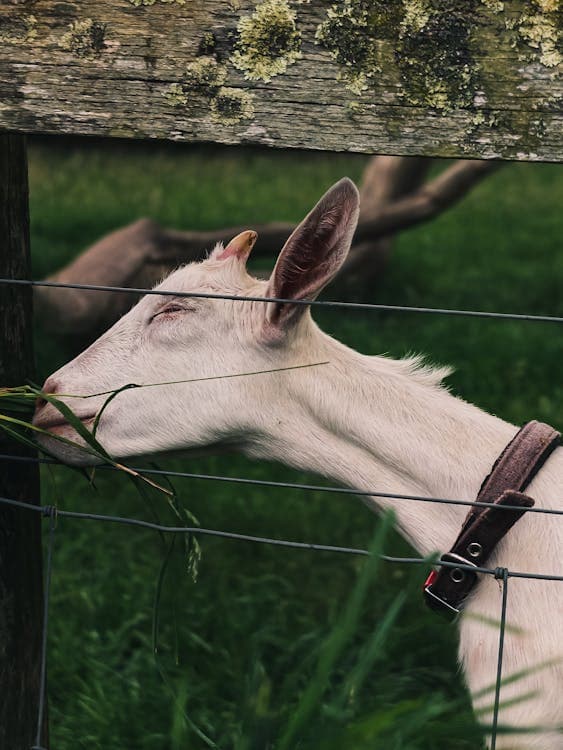
Most goats do best with forage (hay or pasture) available free-choice all day, plus any grain fed on a consistent twice-daily schedule — typically morning and evening. So when people ask how often to feed goats, the honest answer is two parts: fiber should be in front of them more or less constantly, while concentrates and treats are offered as small, measured meals once or twice a day at roughly the same times. Goats are creatures of habit, and a steady routine keeps their rumen healthy and their behavior calm.
Key takeaways:
- Offer forage (hay/pasture) free-choice; reserve scheduled meals mainly for grain and supplements.
- Twice daily (morning and evening) is the standard routine for most herds, fed at consistent times.
- How much to feed depends on life stage — maintenance, growing, pregnant, and lactating goats have very different needs.
Free-Choice Forage vs. Scheduled Meals
Goats are ruminants, and their digestive system is built to process long-stem fiber slowly and continuously. A rumen works best when it always has something to ferment, which is why the fiber portion of the diet is usually offered free-choice rather than in timed meals.
In practice, that means:
- Forage (hay, pasture, browse): Keep it available throughout the day. Goats nibble in small amounts around the clock, and a near-constant supply of fiber supports a stable, healthy rumen.
- Grain and concentrates: Feed these as measured meals on a schedule, not free-choice. Grain ferments fast, and unlimited access can trigger dangerous rumen problems.
- Minerals and water: Offer free-choice, always available — never on a schedule.
This split is the foundation of a good feeding routine. For the bigger picture on what to put in front of your goats, start with our feeding goats guide.
Why constant forage matters
A rumen full of fiber buffers itself naturally and keeps beneficial microbes working steadily. Long gaps with no forage, followed by a large meal, can upset that balance. Whether your goats graze pasture, browse brush, or eat hay, the goal is the same: fiber in front of them most of the day.
A Typical Twice-Daily Feeding Routine
For most backyard and small-farm herds, a simple twice-daily rhythm works well — once in the morning and once in the evening, roughly 10-12 hours apart. The exact clock times matter less than keeping them consistent day to day.
A typical day might look like this:
- Morning: Top up hay (or turn goats out to pasture), refresh water, and feed any measured grain to goats that need it (milkers, growing kids, late-pregnancy does).
- Midday: Goats graze, browse, and chew cud on their own. No formal feeding needed.
- Evening: Top up hay again, check and refill water, and feed the second grain ration to the goats that get one.
Many maintenance goats — healthy adults that aren't pregnant, lactating, or growing — need little or no grain at all and do fine on forage, minerals, and water. For them, the twice-daily routine is mostly about checking hay and water rather than serving meals.
How Much to Feed by Life Stage
There is no single number that fits every goat, because intake varies with body weight, breed, forage quality, and the individual animal. As a general guideline, goats eat roughly 2-4% of their body weight in dry matter per day, most of it as forage. Use the ranges below as starting points and adjust based on body condition.
| Life stage | Forage (hay/pasture) | Grain / concentrate | Feeding frequency |
|---|---|---|---|
| Maintenance (adult, dry) | Free-choice forage; often little to no grain | Usually none, or a small handful | Forage all day; grain (if any) once daily |
| Growing kids (weaned) | Free-choice quality forage | Small measured amount of kid-appropriate feed | Grain split into 1-2 small meals |
| Late-pregnancy does | Free-choice forage | Modest, gradually increased ration | Grain 1-2 times daily |
| Lactating does | Free-choice, often including alfalfa | Larger ration, scaled to milk output | Grain split into 2 meals (morning/evening) |
A few practical notes on each stage:
- Maintenance goats (pets, dry does, wethers) thrive on good forage and free-choice minerals. Many need no grain; overfeeding it just leads to excess weight and, in males, raises the risk of urinary calculi.
- Growing kids have high needs relative to their size. Offer quality forage free-choice and small amounts of an age-appropriate concentrate, introduced slowly. See our guide to caring for goat kids for more.
- Pregnant does need a gradual increase in energy through the last few weeks before kidding, when kids grow fast and rumen space shrinks. Increase grain slowly to avoid digestive upset.
- Lactating does have the highest demands of all. Heavy milkers often need grain split between morning and evening milking, scaled up or down as production changes. Reduce grain as milk output drops to prevent unwanted weight gain.
Because needs vary so much by region, breed, and forage, treat any specific cup-per-goat figure you read as a starting point to refine — not a fixed rule. Feed to body condition: you should be able to feel a goat's ribs easily but not see them.
Sample Daily Feeding Schedule
Here is a sample timetable for a small mixed herd. Adjust the clock times to fit your day — consistency matters more than the exact hours.
| Time | Activity | Notes |
|---|---|---|
| 7:00 AM | Refill hay; turn out to pasture | Fiber available all day |
| 7:00 AM | Feed morning grain to milkers, kids, late-pregnancy does | Measured amounts only |
| 7:00 AM | Check and refresh water; check minerals | Free-choice, always available |
| Midday | Goats graze and browse | No formal feeding |
| 6:00 PM | Top up hay | Keep forage in front of them overnight |
| 6:00 PM | Feed evening grain ration | Same goats, same measured amounts |
| 6:00 PM | Final water check and refill | Especially important in hot weather |
Maintenance-only goats simply skip the grain steps — for them the schedule is just hay top-ups and water checks.
The Importance of Consistency
Goats notice routine. Feeding at the same times each day keeps their digestion steady and reduces stress, noisy anticipation, and pushy behavior at the feeder. A predictable schedule also makes it far easier to spot problems early: a goat that suddenly skips a meal it normally eagerly eats is often the first sign something is wrong.
Consistency applies to what you feed, not just when. Sudden diet changes can upset the rumen, so any change — new hay, more grain, a switch to fresh pasture — should be made gradually over about 1-2 weeks. The rumen's microbes need time to adapt.
Twice-daily feeding also pairs naturally with twice-daily health checks. Each time you feed, take a moment to confirm everyone is eating normally, alert, and chewing cud.
Don't Forget Water and Minerals
A feeding schedule isn't complete without unlimited access to clean water and free-choice minerals. Goats drink more when it's hot or when they're lactating, and intake of dry hay drives water needs up. Check and refill water at every feeding, and keep it clean — goats often refuse dirty or stale water. See our guide to goat water requirements for details.
Likewise, offer a quality, goat-specific loose mineral free-choice at all times rather than on a schedule. Goats self-regulate their mineral intake, and a good mix covers needs that forage and grain alone may miss. Our overview of goat minerals and supplements explains what to look for and why goat-specific (not sheep) minerals matter.
Adjusting the Schedule With the Seasons
A feeding routine isn't static. As pasture, temperature, and the animals' needs shift through the year, both how much and sometimes how often you feed will change.
- Spring and summer: Abundant pasture often means goats need far less hay and grain. Lush spring grass should be introduced gradually to avoid digestive upset.
- Fall: As pasture quality declines, lean more on hay and reassess body condition heading into winter.
- Winter: With little or no fresh forage, hay becomes the main feed. Goats also burn extra energy staying warm in cold weather, so they may eat more hay than in summer.
The twice-daily routine usually holds year-round; what changes most is the amount of hay and grain in each feeding. For a deeper look at adapting through the year, see our guide to seasonal feeding adjustments for goats.
Frequently Asked Questions
How often should I feed my goats each day?
For most goats, feed grain on a consistent twice-daily schedule — morning and evening — while keeping forage (hay or pasture) available free-choice throughout the day. Maintenance goats that don't get grain may simply need hay and water topped up twice daily. The key is feeding at roughly the same times each day.
Do goats need to eat all the time?
Goats nibble in small amounts around the clock, so they should have near-constant access to forage rather than one or two large meals. Their rumen is built to ferment fiber slowly and continuously. Grain, by contrast, is fed in small measured meals, not free-choice.
How much hay should a goat eat per day?
As a general guideline, goats eat roughly 2-4% of their body weight in dry matter daily, most of it forage. Many keepers simply offer free-choice hay and let goats self-regulate, adjusting based on body condition. Exact amounts vary by breed, size, season, and hay quality.
Can I feed my goats only once a day?
Maintenance goats on free-choice forage and minerals can often be checked just once daily if hay and water are kept topped up. However, goats that receive grain — especially lactating does — do better with grain split into two smaller meals, which is gentler on the rumen than one large feeding.
What happens if I feed goats at inconsistent times?
Irregular feeding can cause stress, pushy or noisy behavior, and digestive upset, especially with grain. A consistent schedule keeps the rumen stable and makes it easier to notice when a goat goes off feed, which is often the first sign of illness. If a goat refuses food it normally eats, monitor it closely and consult a veterinarian if it persists.
Final Thoughts
A good goat feeding schedule comes down to a simple split: keep fiber in front of your goats most of the day, and feed grain and supplements as small, measured meals on a consistent twice-daily routine. Match the amounts to each animal's life stage — maintenance, growing, pregnant, or lactating — and adjust with body condition and the seasons. Pair it all with clean water and free-choice minerals, stay consistent, and use feeding time to check on your herd. Feed thoughtfully and predictably, and your goats will stay healthy, calm, and productive year-round.

About Dr. Elma K. Johnson
Expert farmers and veterinarians with over 20 years of experience in goat farming and animal husbandry.
Related Articles
How to Pasteurize Goat Milk at Home: Safe Methods Explained
Learn how to pasteurize goat milk at home with two proven methods, exact temperatures and times, equipment, fast-cooling steps, and safe storage tips.