Goat Diarrhea in Kids and Adults: Causes and How to Stop It
Goat diarrhea treatment guide: spot the causes of scours in kids and adults, stop dangerous dehydration with fluids, and know when it's a vet emergency.

Dr. Elma K. Johnson
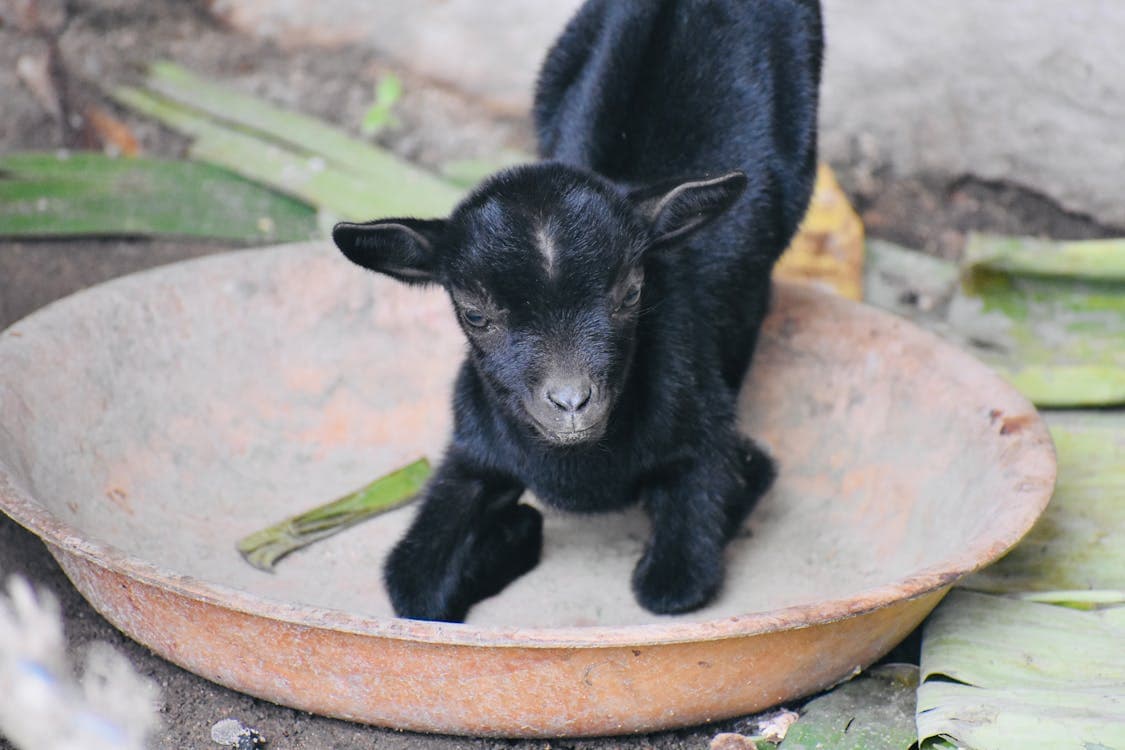
Goat diarrhea treatment centers on two things: finding and fixing the underlying cause, and preventing dehydration with electrolyte and fluid support while the gut recovers. Loose stools (often called scours) are a symptom, not a disease in themselves, and they can be triggered by coccidiosis, internal parasites, overeating grain, sudden diet changes, infections, or lush spring pasture. In young kids especially, the real danger is how fast fluid loss can become life-threatening, so quick action and a call to your veterinarian matter.
Key takeaways:
- Diarrhea is a symptom with many causes; coccidiosis and worms are the usual culprits in kids, while diet upsets and parasites dominate in adults.
- The biggest threat is dehydration, not the loose stool itself, especially in young kids who can crash within hours.
- Provide electrolytes and fluids, identify the cause, and work with your veterinarian for diagnosis and the right medication.
A note before you read on: This article explains general husbandry and first-response practices used by experienced goat keepers. It is not a substitute for veterinary care. Always consult a veterinarian for diagnosis, dosing, and treatment, especially with a sick young kid or a goat that is going downhill.
What Counts as Diarrhea (Scours) in Goats
Healthy goat droppings are firm, separate pellets, like little olives or coffee beans. Diarrhea, commonly called scours, means stool that has lost that pelleted form: it may be pasty, soft and clumped, watery, or projectile. The color and consistency offer clues, but they rarely give a diagnosis on their own.
A single soft pile after a goat eats something rich is usually minor. What you want to catch early is watery, persistent, or bloody diarrhea, a goat that has gone off feed, or any kid that suddenly looks dull, sunken-eyed, or weak. Those signs point toward a cause that needs real attention.
Because so many different problems produce the same loose stool, scours is best thought of as a starting point for investigation rather than a condition to "treat" blindly. For a broader picture of how it fits among other illnesses, see our overview of common goat diseases.
Common Causes of Goat Diarrhea
The causes of diarrhea overlap, and more than one can be at play at once. Below are the ones you will run into most often.
Coccidiosis (Especially in Kids)
Coccidiosis is the single most common cause of scours in young goats, typically from around three weeks to five months of age. It is caused by coccidia, microscopic protozoa that damage the lining of the intestine. Kids pick it up from contaminated bedding, feed, and water, and stress (weaning, weather changes, crowding, transport) often tips a low-grade infection into full-blown disease.
Classic signs include dark, sometimes bloody or mucus-streaked diarrhea, straining, a rough coat, poor growth, and a kid that is dull and reluctant to nurse or eat. Because coccidiosis damages the gut, affected kids can fall behind on growth even after they recover. This is a true "call your vet" situation, as the medications used to treat coccidiosis are specific and dosing matters.
Internal Parasites (Worms)
Gastrointestinal worms, especially the barber pole worm (Haemonchus contortus), are a leading cause of illness in goats of all ages. Barber pole worms are blood-feeders, so their hallmark is anemia (pale gums and inner eyelids) rather than diarrhea, but heavy mixed worm burdens commonly cause soft stools, weight loss, a pot-bellied or rough-coated look, and bottle jaw (fluid swelling under the jaw).
Worms thrive in warm, wet weather and on overgrazed pasture. Learning to read the signs is essential, our guide to how to identify goat parasites walks through FAMACHA eyelid scoring and fecal testing, and how to deworm goats covers targeted, resistance-aware treatment with your vet.
Overeating Grain and Sudden Diet Changes
The goat rumen depends on a stable population of microbes adapted to a steady diet. A sudden flood of grain, a goat that breaks into the feed bin, or an abrupt switch in hay or pasture can throw that balance off, causing digestive upset, loose stool, and in serious cases dangerous acidosis or enterotoxemia (overeating disease). This is why every feed change should be made gradually over a week or more, as covered in our feeding goats guide.
Bacterial and Viral Infections
Several infectious agents cause scours, particularly in young kids in their first weeks of life: E. coli, Salmonella, Clostridium perfringens (enterotoxemia), and others, along with viral causes. These can move fast and may spread through a group of kids. Bloody diarrhea, a kid that goes downhill rapidly, or several kids scouring at once all warrant prompt veterinary involvement, since the right treatment depends on the specific cause.
Lush Pasture and Rich Feed
Turning goats onto fast-growing spring grass, lush legumes, or a sudden abundance of green feed often produces temporarily looser manure as the rumen adjusts. This is usually mild and self-correcting, but it can also set the stage for bloat or, on heavily parasitized pasture, a worm flare. Introduce rich pasture slowly and fill goats with hay first.
Causes of Goat Diarrhea by Age
Age is one of the best clues to what is going on. Use this table as a starting point, not a diagnosis.
| Age group | Most likely causes | What to watch for |
|---|---|---|
| Newborn (0-3 weeks) | Bacterial/viral infection (E. coli, Salmonella, rotavirus), milk overfeeding or poor sanitation | Watery scours, rapid weakness, dehydration; an emergency at this age |
| Kids (3 weeks-5 months) | Coccidiosis (most common), worms, diet/feed errors, enterotoxemia | Dark or bloody diarrhea, straining, poor growth, dull kid |
| Weanlings/young goats | Worms, coccidiosis, stress and diet change at weaning | Soft stool, weight loss, rough coat, pale eyelids |
| Adults | Internal parasites, sudden diet change, grain overload, lush pasture | Loose stool, anemia, bottle jaw, going off feed |
| Any age | Stress, sudden ration changes, infection, toxic plants | Persistent or worsening diarrhea, lethargy, dehydration |
If you suspect plants are involved, cross-check your grazing areas against our list of toxic plants for goats.
Why Dehydration Is the Real Danger
Here is the key point that catches new keepers off guard: goats rarely die from the diarrhea itself, they die from dehydration and the loss of electrolytes that comes with it. Watery stool drains fluid and essential salts (sodium, potassium) from the body faster than the goat can replace them. In a small kid with little reserve, that loss can become critical within hours.
Learn to assess hydration quickly:
- Gum check: Healthy gums are moist and slick. Tacky or dry gums signal dehydration.
- Skin tent: Gently pinch and lift the skin over the shoulder or neck. In a hydrated goat it snaps back instantly; if it stays "tented" for a second or more, the goat is dehydrated.
- Eyes and energy: Sunken eyes, a hunched posture, weakness, cold ears or mouth, and a kid that stops nursing are red flags.
A bright, alert goat with mild loose stool and normal hydration is in a very different situation from a flat, sunken-eyed kid. The second one is an emergency.
Electrolyte and Fluid Support
For most cases of scours, supporting hydration is the most important thing you can do while you sort out the cause. Fluids buy time and prevent the downward spiral that kills kids.
- Offer oral electrolytes. A goat- or livestock-formulated oral electrolyte solution helps replace lost fluid and salts. For kids, many keepers give electrolytes separately from milk feedings (spaced apart rather than mixed) so the milk can still clot and digest, ask your vet how to schedule this for a bottle kid.
- Keep clean water available at all times for goats that are still drinking, and make sure it is fresh and easy to reach. See our notes on goat water requirements.
- Do not withhold milk from a young kid for long. Tiny kids need calories; prolonged starvation is its own danger. Coordinate any feeding changes with your vet rather than guessing.
- Watch the response. A kid that perks up, keeps fluids down, and re-hydrates is trending the right way. One that keeps deteriorating despite oral fluids may need veterinary subcutaneous or IV fluids, do not wait too long to make that call.
Keep electrolytes and a feeding syringe in your goat first aid kit so you are not scrambling when scours appears.
Treatment: Work With Your Veterinarian
Because diarrhea has so many causes, effective treatment depends on identifying which one you are dealing with, and that is exactly where your vet comes in.
- Get a diagnosis. A simple fecal exam can reveal coccidia or worm eggs, and your vet can interpret the results in light of the goat's age, history, and symptoms. Treating for worms when the problem is coccidiosis (or vice versa) wastes time the goat may not have.
- Use the right medication at the right dose. Coccidiosis, worm infections, and bacterial scours each call for different products. Dosing for goats is specific and many medications are used off-label, so let your veterinarian guide the choice and amount rather than copying a dose meant for another animal.
- Support the gut. Probiotics or rumen-support products are sometimes used to help re-establish healthy microbes after a digestive upset; ask your vet whether they fit your situation.
- Isolate and observe. Separate a sick, scouring goat from the herd to limit spread and to monitor intake, droppings, and energy closely.
The single most important framing: diagnosis and dosing belong with your veterinarian. Diarrhea in a young kid, bloody diarrhea at any age, or a goat that is weak, off feed, or not improving within a day is a reason to call sooner rather than later.
Preventing Diarrhea in the First Place
Most scours is preventable with steady management. The goal is a clean environment, controlled parasites, and a calm, gradual approach to feed.
Keep the Environment Clean and Dry
- Bedding and pens: Coccidia and many bacteria thrive in damp, manure-soiled bedding. Keep kid areas clean, dry, and well-bedded, and clean feeders and waterers regularly.
- Feed off the ground: Use hay racks and raised feeders so goats are not eating off contaminated ground, a major route for picking up coccidia and worm larvae.
- Protect water: Keep water troughs free of manure and refresh them often.
Manage Parasites and Coccidia
- Rotate and rest pastures to break parasite life cycles; our guide to how to rotate goat pastures explains the timing.
- Monitor instead of blanket-treating. Use FAMACHA scoring and fecal checks to deworm the animals that actually need it, which slows the spread of dewormer resistance.
- Plan coccidiosis prevention for kids with your vet, especially around weaning and other stress points when outbreaks tend to start.
Feed and Manage for Stable Digestion
- Change feed gradually. Transition between hays, pastures, and grain amounts over a week or more so the rumen microbes can adapt.
- Limit grain and secure the feed bin so a goat cannot break in and gorge.
- Reduce stress around weaning, transport, and weather changes; good newborn care, including adequate colostrum, gives kids the immune start they need. Our guides on caring for goat kids and bottle-feeding baby goats cover this in detail.
Frequently Asked Questions
How do I stop my goat's diarrhea fast?
Focus first on hydration: offer a livestock electrolyte solution and keep clean water available, then work to identify the cause. There is no single "stop-it-now" remedy because diarrhea has many causes, so the fastest reliable path is to support fluids and call your veterinarian for a diagnosis, especially if a kid is involved or the stool is watery or bloody.
When is goat diarrhea an emergency?
Treat it as an emergency when a young kid is scouring, when you see watery or bloody diarrhea, or when any goat becomes weak, sunken-eyed, dehydrated (skin stays tented, dry gums), or stops eating. Kids can dehydrate and crash within hours, so do not wait, contact your veterinarian right away.
What is the most common cause of diarrhea in goat kids?
Coccidiosis is the most common cause in kids from roughly three weeks to five months old, often triggered by stress and contaminated, damp conditions. Signs include dark or bloody diarrhea, straining, a rough coat, and poor growth. Because the treatment is specific, have your vet confirm it with a fecal exam.
Can I give my goat human anti-diarrhea medicine or a dewormer?
Do not reach for human medications or guess at livestock doses. Goat dosing is specific, many products are used off-label, and the wrong treatment (deworming when the issue is coccidiosis, for example) can waste critical time. Work with your veterinarian to choose the right product and dose.
Why does my goat get loose stool on spring pasture?
Lush, fast-growing spring grass and rich green feed commonly cause temporarily looser manure as the rumen adjusts. It is usually mild if you introduce pasture slowly and offer hay first. If the diarrhea is persistent, watery, or paired with weight loss, suspect parasites or another cause and check with your vet.
Final Thoughts
Scours is one of the most common problems goat keepers face, and it is also one of the most misunderstood, because it is a symptom of many different things rather than a single disease. The winning approach is always the same: support hydration with electrolytes and fluids, find the underlying cause, and treat it correctly with your veterinarian's guidance.
Keep a close eye on your kids, since they have the least reserve and the most to lose from dehydration. Lean on prevention, clean and dry housing, smart parasite and coccidia management, and gradual feed changes, and most cases of diarrhea never get the chance to become emergencies. When in doubt, especially with a young or fading kid, your veterinarian is your best partner for getting your goat back to firm, healthy pellets.

About Dr. Elma K. Johnson
Expert farmers and veterinarians with over 20 years of experience in goat farming and animal husbandry.
Related Articles
Goat Lifespan: How Long Do Goats Live and What Affects It
How long do goats live? Most goats reach 10-15 years. Learn how breed, sex, and care affect goat lifespan, plus practical tips to help yours live longer.