Smallest Goat Breeds: Complete Guide to Miniature Goats (2026)
Discover the smallest goat breeds perfect for small farms and pets. Complete guide to miniature goats including Pygmy, Nigerian Dwarf, Mini Nubians, and more with sizes, temperaments, and care requirements.

Elma K. Johnson
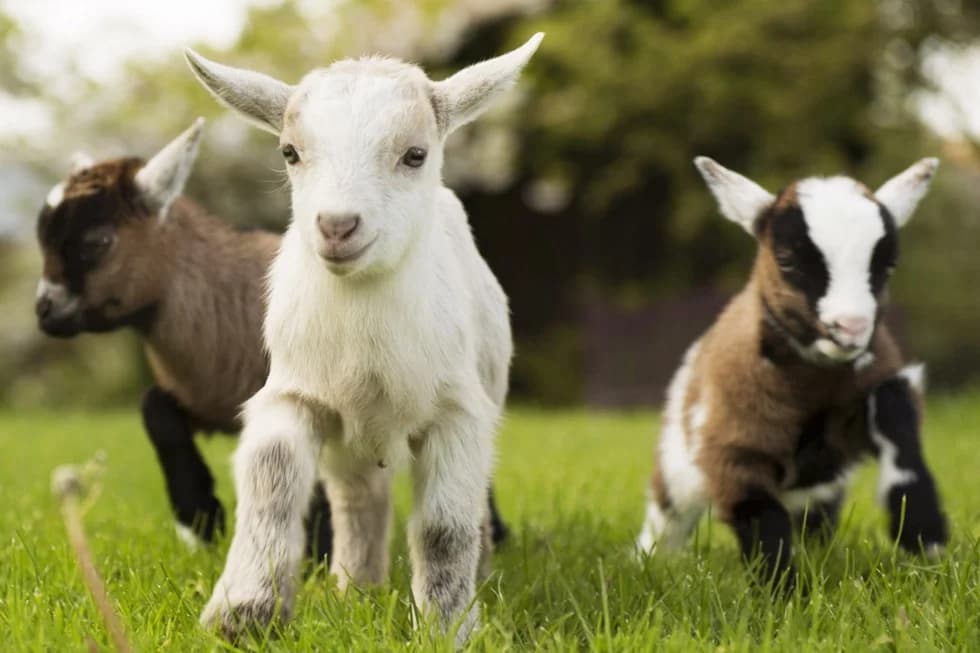
When most people picture a goat, they imagine a large farm animal that needs acres of pasture and a proper barn. But the world of miniature goats tells a different story—one where goats can thrive in suburban backyards, provide fresh milk for small families, and serve as genuinely delightful companions without overwhelming space requirements.
The smallest goat breeds top out at roughly knee height to an adult human. The Nigerian Dwarf stands just 17 to 21 inches at the shoulder, while the Pygmy ranges from 16 to 23 inches. These aren't just scaled-down versions of bigger goats—they're distinct breeds with their own characteristics, purposes, and personalities.
Understanding Miniature Goat Breeds
The term "miniature goat" can be a bit misleading because it encompasses several different categories. Some breeds, like the Pygmy and Nigerian Dwarf, have been small for centuries—they didn't get that way through recent selective breeding. Others, like Mini Nubians and Mini Alpines, were deliberately created by crossing standard dairy breeds with Nigerian Dwarfs to produce smaller versions that retain their parents' dairy qualities.
This distinction matters when you're choosing a breed. The naturally small breeds like Pygmies have been refined over generations for their current role, whether that's companionship or compact milk production. The "mini" dairy breeds are still being developed and refined, which means more variation in size and characteristics from one breeder to another.
What all miniature goats share is their appeal to people with limited space, limited experience, or simply a preference for handling animals that weigh 60 to 100 pounds rather than 150 to 200.
Nigerian Dwarf: The Pocket Dairy Goat
If you want the smallest goat that can still fill your refrigerator with milk, the Nigerian Dwarf is the clear winner. These tiny dairy goats stand just 17 to 21 inches tall and weigh between 60 and 80 pounds, yet they produce one to two quarts of milk daily—an impressive output for animals you could theoretically pick up and carry.
What makes Nigerian Dwarf milk special goes beyond quantity. Their milk tests at 6 to 10 percent butterfat, the highest of any goat breed. This rich, creamy milk is prized for making cheese, soap, and ice cream. People who've tasted Nigerian Dwarf milk often describe it as sweeter than milk from larger dairy breeds, with none of the "goaty" flavor that turns some people off goat dairy entirely.
The breed comes in a stunning variety of colors and patterns—everything from solid black to spotted combinations of gold, white, and chocolate. Their upright ears give them an alert, curious expression, and their personalities tend to match that look. Nigerian Dwarfs are friendly, social, and genuinely interested in their human caretakers.
The main drawback is practical: their small teats can make hand-milking challenging, especially for people with larger hands. Many Nigerian Dwarf owners invest in small-teat milking machines or simply develop the technique over time. The other consideration is cost—purebred Nigerian Dwarfs typically sell for $200 to $500, more than most Pygmies, though their milk production justifies the investment for many small-scale dairy enthusiasts.
Pygmy Goat: The Classic Pet Breed
When people say they want a "pet goat," they usually have a Pygmy in mind whether they know it or not. These compact, stocky little goats have become the default choice for families who want goats purely for companionship, and there are good reasons for their popularity.
Pygmies originated in the Cameroon Valley of West Africa, where they developed their characteristic build—short legs, barrel-shaped body, full coat, and a weight of 60 to 85 pounds concentrated into a frame just 16 to 23 inches tall. They look like goats designed by someone who wanted all the goat personality packed into the smallest possible space.
Their temperament makes them especially well-suited to life as pets. Pygmies tend to be playful, docile, and genuinely fond of human interaction. They're the breed you'll see at petting zoos, in therapy animal programs, and playing with children in backyard farms across the country. They're also remarkably hardy—resistant to many common goat diseases and adaptable to various climates.
The breed wasn't developed for milk production, and while Pygmy does can be milked, their output is modest and their udder conformation makes the process more difficult than with dairy breeds. This is fine if you want pets, but if fresh milk is part of your plan, a Nigerian Dwarf or mini dairy breed is a better choice.
Pygmies are prone to obesity if overfed—their compact bodies store fat efficiently, which was advantageous in their native climate but becomes a health risk when owners mistake that stocky build as license to offer unlimited grain and treats. A proper diet based primarily on hay keeps them healthy.
Prices for Pygmy goats range from $75 for pet-quality wethers (neutered males) to $400 or more for registered breeding stock. This lower cost compared to dairy breeds makes them accessible to first-time goat owners, though the old advice applies: never buy the cheapest goat you can find, because health problems and poor temperament cost more in the long run than buying from a reputable breeder.
Pygora: Fiber in a Small Package
The Pygora breed emerged from a deliberate cross between Pygmy and Angora goats, with the goal of producing fine fiber from animals small enough for hobbyists to manage easily. The experiment succeeded—Pygoras stand 18 to 23 inches tall and weigh 65 to 95 pounds while producing fiber that fiber artists prize.
What makes Pygoras interesting is that they don't produce just one type of fiber. The breed standard recognizes three distinct fiber types: Type A resembles Angora mohair with long, lustrous locks; Type B is a blend of mohair and cashmere characteristics; and Type C is a fine, matte fiber similar to cashmere. Some Pygoras produce different fiber types in different parts of their fleece, giving spinners variety from a single animal.
Each Pygora produces six to twelve ounces of fiber per shearing, with most owners shearing once or twice annually. This might sound modest compared to full-sized Angora goats, but the fiber is exceptionally fine and commands premium prices from handspinners. Many Pygora owners process and spin the fiber themselves, making the relationship between goat and finished product particularly direct and satisfying.
The breed requires more maintenance than Pygmies or Nigerian Dwarfs because their fiber needs attention. Neglected fleece mats and tangles, causing discomfort and reducing fiber quality. Regular brushing and timely shearing are non-negotiable. But for fiber enthusiasts who want a productive animal they can actually handle, Pygoras fill a unique niche.
Finding Pygoras can be challenging because the breed is less common than Pygmies or Nigerian Dwarfs. Expect to pay $300 to $600 and potentially travel or arrange shipping to get quality breeding stock.
Kinder Goat: The Smallest Dual-Purpose Breed
If you want both milk and meat from small goats, the Kinder deserves serious consideration. This American breed resulted from crossing Nubian goats with Pygmies, creating animals that stand 20 to 26 inches tall while producing respectable milk and growing meaty enough for small-scale butchering.
Kinders inherited the Nubian's long, pendulous ears and sweet milk—they produce one to three quarts daily, depending on the individual and management. Their butterfat content runs around 5 to 7 percent, rich enough for good cheese and soap. At the same time, they develop solid, muscular bodies that yield worthwhile carcasses for homesteaders who raise their own meat.
This dual-purpose capability makes Kinders particularly appealing to small homesteads where efficiency matters. A pair of Kinder does can provide fresh milk most of the year and produce kids that either join the milking herd or go to the freezer. It's a complete small-scale dairy and meat operation in a package that doesn't require cattle-scale infrastructure.
The trade-off is size—at 100 to 150 pounds and up to 26 inches tall, Kinders are larger than true miniature breeds. They need more feed, more space, and sturdier handling facilities than Pygmies or Nigerian Dwarfs. Whether this qualifies as "small" depends on your frame of reference, but they're unquestionably more compact than standard dairy or meat breeds.
Kinder goats have friendly personalities, partly inherited from their Nubian ancestors who are known for bonding closely with humans. They can be vocal—another Nubian trait—so they're not ideal if you have noise-sensitive neighbors.
Mini Dairy Breeds: Scaled-Down Milk Production
Beyond Kinders, an entire category of miniature dairy goats exists—breeds created by crossing standard dairy goats with Nigerian Dwarfs to produce smaller animals that retain most of their parents' milk production. Mini Nubians, Mini LaManchas, and Mini Alpines are the most established of these crosses.
Mini Nubians combine the Nubian's famously sweet, high-butterfat milk with a more manageable size of 23 to 29 inches tall and 100 to 135 pounds. They inherit those distinctive long, floppy ears and vocal personalities. The milk tastes remarkably similar to full-sized Nubian milk—sweet and creamy, excellent for drinking fresh or making cheese. They produce one to two quarts daily, less than their full-sized parent breed but substantial for a small family's needs.
Mini LaManchas offer the calm temperament their standard-sized ancestors are famous for, combined with the tiny "elf ears" or nearly absent "gopher ears" that make LaManchas immediately recognizable. Standing 23 to 27 inches tall and weighing 90 to 120 pounds, they're consistently good milkers that adapt well to various management systems. Many owners choose Mini LaManchas specifically because they're quieter than Mini Nubians.
Mini Alpines tend toward the larger end of the miniature spectrum at 23 to 29 inches and 100 to 135 pounds, but they often produce the most milk of the mini dairy breeds—up to two and a half quarts daily from some individuals. They inherit the Alpine's athletic build, active personality, and hardy mountain-goat genetics that make them adaptable to various climates.
All these mini dairy breeds share one important consideration: they're still being developed as recognized breeds, and standards are less fixed than for established miniature breeds. Size and production vary more between individuals and bloodlines. Buying from breeders who track their herd's performance and can document lineage matters more than with fully established breeds.
Choosing Your Small Goat Breed
The right miniature goat depends entirely on what you want from the relationship. This isn't like choosing a dog breed where personality differences within reasonable ranges don't dramatically change your daily life—different goat breeds serve fundamentally different purposes.
If you want pets and nothing else, Pygmy goats are hard to beat. They're bred for companionship, they cost less than dairy breeds, they need minimal equipment, and their hardy constitution means fewer veterinary issues for beginning goat owners to navigate. Getting wethers (neutered males) simplifies things further—no breeding behavior, no milk production cycles, just friendly goats that want to spend time with you.
If you want milk from the smallest possible goats, Nigerian Dwarfs are the obvious choice. Nothing else combines such compact size with such impressive dairy production and milk quality. Yes, the small teats require some adaptation, but thousands of small-scale dairy enthusiasts have made it work.
If you want fiber, Pygoras offer the most practical small-goat option. They produce genuinely valuable fiber in quantities a hobbyist can process, from animals that don't require professional shearing crews and elaborate facilities.
If you want milk and meat from a single breed, Kinders make the most sense despite being larger than true miniatures. The alternatives are either getting separate dairy and meat breeds—which doubles everything—or making do with breeds not really suited for one purpose or the other.
Space and Housing for Miniature Goats
Small goats need less space than their full-sized cousins, but "less" is relative. A pair of miniature goats needs at minimum 200 square feet of outdoor space, with 400 square feet or more being much better for their physical and psychological health. This is per pair—add roughly 100 to 200 square feet per additional goat.
Shelter requirements scale down too, with 10 to 15 square feet per goat being adequate for sleeping quarters compared to 15 to 20 for standard breeds. But the shelter still needs to protect against wind, rain, and temperature extremes. A three-sided shelter works well in most climates—goats generally prefer having an opening to observe their surroundings rather than being enclosed.
Don't underestimate fencing needs based on goat size. Miniature goats are just as talented at escaping as their larger relatives, and their smaller size means they can squeeze through gaps that would stop bigger animals. A four-foot fence is the minimum; four and a half to five feet is better. Wire spacing should be four inches by four inches maximum to prevent heads from getting stuck. And goat-proof latches are essential—goats learn to operate hooks, toggles, and even some combination mechanisms.
One advantage of miniature breeds is that your fencing and shelters don't need the structural strength required for 200-pound animals. Standard livestock panels and basic construction techniques work fine for goats that weigh 60 to 100 pounds.
Feeding Miniature Goats
The smaller body mass of miniature goats translates directly to lower feed costs—one of their most practical advantages. A Pygmy or Nigerian Dwarf needs two to three pounds of hay daily compared to the four to six pounds a full-sized dairy goat might require. Grain supplements, when needed, run proportionally smaller as well.
This doesn't mean miniature goats can eat anything or survive on less care. They still need quality hay as the foundation of their diet, fresh water constantly available, and mineral supplements formulated for goats. The feeding principles that keep large goats healthy apply equally to small ones.
Pygmies in particular are prone to obesity, and their stocky build masks weight gain that would be obvious on a leaner breed. Owners sometimes misread that barrel-shaped body as normal when the goat is actually overweight. The solution is simple: limit grain, provide primarily hay and pasture, and maintain awareness of body condition. Feel along the ribs and spine regularly—you should be able to detect ribs under a modest fat cover, not a padded layer that hides bone structure.
Miniature dairy goats in milk need more feed than dry does or wethers. The rule of thumb is roughly one pound of grain per three pounds of milk produced, in addition to free-choice hay. But this varies by individual—some does milk well on minimal grain while others need more support.
Health Considerations
Small goats share most health concerns with their larger relatives. They need the same vaccines, the same hoof care, and the same parasite management. The main difference is that medication doses scale with body weight—getting accurate weights matters for proper treatment.
A few health issues occur more frequently in miniature breeds or have different implications than in standard goats. Urinary calculi—mineral blockages in the urinary tract—pose a particular risk for wethers, and the smaller urinary tract of miniature breeds can make blockages more likely and more dangerous. Proper mineral balance is the primary prevention strategy.
Pregnancy toxemia (ketosis) can hit miniature does carrying multiple kids especially hard because their smaller body mass limits energy reserves. Nigerian Dwarfs frequently carry triplets or even quadruplets, making this a real concern. Does need adequate nutrition in late pregnancy, with appropriate grain increases as kidding approaches.
The good news is that miniature goats' smaller size makes physical examination, hoof trimming, and treatment administration easier than with full-sized breeds. You can flip a 60-pound Nigerian Dwarf for hoof work without needing to wrestle with a milk stand. You can restrain a Pygmy for vaccination without the assistance required for a large dairy goat. This accessibility encourages more frequent health monitoring, which catches problems earlier.
Starting with Miniature Goats
Begin with two goats minimum—this isn't optional. Goats are herd animals with social needs that can't be met by human interaction alone or by housing with other species. A single goat will be stressed, vocal, escape-prone, and unhappy no matter how much attention you provide.
Two wethers of a pet breed like Pygmies make the easiest starting point for complete beginners. No breeding management, no milking schedules, no complications—just goats being goats while you learn their needs and personalities. Once you understand basic goat husbandry, you can add breeding stock or dairy animals if your goals expand.
If you want milk from the start, two Nigerian Dwarf or mini dairy does work well, but be prepared for more intensive management. Does in milk need twice-daily milking. Does not in milk will need breeding access to freshen (start milk production), which means either keeping a buck or finding breeding services. And kids will arrive, requiring decisions about their futures.
Whatever breed you choose, buy from reputable breeders who can document health histories, provide registration papers if relevant, and stand behind their animals. The goat market includes plenty of backyard breeders selling animals of uncertain health and temperament. Taking time to find quality starting stock prevents problems that cheap purchases almost inevitably create.
FAQ: Smallest Goat Breeds
What is the smallest goat breed? The Nigerian Dwarf and Pygmy goat are the smallest goat breeds, both standing 16-23 inches tall at the shoulder. Nigerian Dwarfs are typically slightly smaller (17-21 inches) but leaner, while Pygmies are stockier within their height range.
What are miniature goats called? Miniature goats include several breeds: Pygmy goats, Nigerian Dwarf goats, Pygora goats, and "mini" versions of standard breeds (Mini Nubian, Mini LaMancha, Mini Alpine). The term "miniature goat" generally applies to any goat breed under 24 inches tall.
Which small goat breed is best for beginners? Pygmy goats are considered the best small breed for beginners due to their hardy nature, friendly temperament, lower cost, and minimal maintenance requirements. Nigerian Dwarfs are also excellent for beginners who want milk production.
Can small goats live in a backyard? Yes, small goat breeds like Pygmies and Nigerian Dwarfs can live in suburban backyards where local ordinances allow. Minimum requirements include 200+ square feet for two goats, secure fencing, and proper shelter. Always check local regulations first.
How much space do miniature goats need? Miniature goats need approximately 200-400 square feet of outdoor space for two goats, plus 10-15 square feet of shelter space per goat. More space is always better for their health and happiness.
Do small goats make good pets? Yes, small goats make excellent pets. Pygmy goats and Nigerian Dwarfs are particularly popular as pets due to their friendly personalities, manageable size, and relatively easy care. They're social animals and must be kept in pairs or groups.

About Elma K. Johnson
Expert farmers and veterinarians with over 20 years of experience in goat farming and animal husbandry.
Related Articles
Boer Goat vs Kalahari Red: Meat Breed Comparison
Boer goat vs Kalahari Red compared: appearance, growth rate, muscling, heat and parasite resistance, mothering, and best use. Find the right meat breed.