Beet Pulp for Goats: Benefits, How to Feed, and Risks
Beet pulp for goats is a highly digestible fiber that aids weight gain and hydration. Learn how to feed it safely, how much, and which goats benefit most.

Dr. Elma K. Johnson
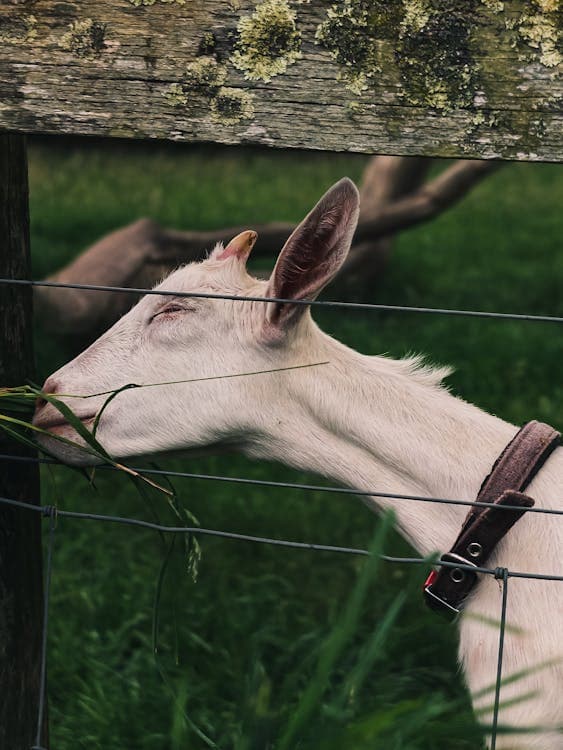
Beet pulp for goats is the fibrous by-product left after sugar is extracted from sugar beets, and it works well as a highly digestible fiber supplement that supports weight gain, condition, and hydration when soaked. It is best fed as an add-on alongside hay and pasture, never as a replacement for long-stem forage. When introduced gradually and offered in sensible amounts, beet pulp is a safe, affordable way to put condition on hard keepers, lactating does, and senior goats.
Key takeaways:
- Beet pulp is a fiber feed (not a grain), so it adds calories without the rapid-acid risk of heavy starch.
- Soaking it expands the volume and adds water, which helps hydration and makes feeding easier.
- It supplements forage; it does not replace the long-stem hay or pasture a goat's rumen needs.
What Is Beet Pulp?
Beet pulp is what remains after the sugar industry presses the soluble sugar out of sugar beets. The leftover plant fiber is dried and sold in two common forms: loose shreds and compressed pellets. Both are essentially the same feed in a different shape.
Because the sugar has already been removed, beet pulp is lower in starch and sugar than its name suggests. Instead, it is rich in highly fermentable fiber. Goats are ruminants, and the microbes in their rumen break this fiber down into usable energy. That makes beet pulp a useful "cool" calorie source that is gentler on the rumen than large amounts of grain. For the bigger picture on ration balance, see our feeding goats guide.
Benefits of Beet Pulp for Goats
Highly Digestible Fiber and Energy
Beet pulp delivers energy through fiber fermentation rather than starch digestion, and that is its main advantage. Heavy grain feeding can push the rumen toward acidosis and bloat, while fermentable fiber tends to keep rumen conditions steadier. It is a sensible way to add calories to a thin goat without leaning entirely on grain.
Helps With Weight Gain and Body Condition
For goats that struggle to hold weight, beet pulp is one of the simplest condition-builders you can add. The extra digestible energy supports steady gains over weeks, which is usually safer than trying to fatten a goat quickly. Judge progress by body condition score (feeling over the ribs, spine, and hips) rather than by appearance alone.
Adds Hydration When Soaked
Soaked beet pulp holds a lot of water, so it is an easy way to get fluids into a goat that is not drinking enough, especially in cold weather or during recovery. It does not replace a clean, constant water supply, but it is a helpful extra, as covered in our overview of goat water requirements.
How to Feed Beet Pulp
Most keepers soak shreds because they expand and become easy to chew and mix. Pellets are denser and take longer to absorb water, so they generally need a longer soak. Always introduce beet pulp slowly over 7 to 14 days so the rumen microbes can adjust, and mix it into a familiar feed at first to encourage acceptance.
The amounts below are general starting points. Actual needs vary by the goat's size, body condition, life stage, and the rest of the diet, so adjust gradually and watch how each animal responds.
| Goat type | Typical dry beet pulp / day | How to feed |
|---|---|---|
| Standard adult (maintenance) | A small handful up to about 1/2 lb (dry) | Soaked, mixed into regular feed |
| Hard keeper needing condition | About 1/2 to 1 lb (dry), built up gradually | Soaked, split across two feedings |
| Lactating doe (extra energy) | About 1/2 to 1 lb (dry) | Soaked, alongside forage and minerals |
| Senior goat with worn teeth | Small to moderate amount | Soaked well until soft and mushy |
| Nigerian Dwarf / smaller breeds | Roughly half the standard amount | Soaked, introduced slowly |
To soak, cover the beet pulp with two to three parts water by volume and let it expand until soft. Shreds may be ready in 30 to 60 minutes; pellets often need several hours. Soaked beet pulp spoils quickly, so make only what will be eaten in a feeding and discard leftovers in warm weather.
Beet pulp pairs naturally with a balanced mineral program. Adding calories does not cover trace-mineral needs, so keep a quality loose mineral available, as we explain in goat minerals and supplements. Because it is inexpensive and stretches a ration, beet pulp also fits well into the strategies in our guide to feeding goats on a budget.
The Choke and Soaking Debate
A common question is whether beet pulp must be soaked. The traditional advice to always soak grew from concern about choke, the idea that dry pellets could swell in the throat or esophagus and cause an obstruction. Many keepers feed dry beet pulp without trouble, particularly the shred form, but soaking remains the cautious default because it is easier on goats with poor teeth, adds water to the diet, and lets you mix in minerals while cutting dust.
If you do feed it dry, make sure goats also have plenty of fresh water and are not gulping large amounts at once. When in doubt, soak it. The downside is minimal, and the peace of mind is worth the extra step.
Which Goats Benefit Most?
- Hard keepers: Goats that stay thin on normal rations often respond well to the steady, fiber-based calories beet pulp provides.
- Lactating does: Milking pulls heavily on a doe's energy reserves, and beet pulp can help cover that demand without overloading on grain.
- Senior goats: Older goats with worn or missing teeth often cannot chew coarse hay efficiently. Well-soaked beet pulp gives them a soft, digestible fiber source.
- Recovering or underweight goats: Animals rebuilding condition after illness, parasites, or kidding can benefit, though any sick goat should be evaluated by a veterinarian first.
Cautions and Common Mistakes
Beet pulp is a supplement, not a forage replacement. This is the single most important rule. A goat's rumen depends on long-stem fiber from hay or pasture to function and to prevent digestive upset, and the short fiber in beet pulp does not fill that role. Forage should always remain the foundation of the diet.
Keep these cautions in mind:
- Introduce it slowly. A sudden large serving can upset the rumen, so build up over a week or two.
- Do not overfeed. More is not better; excess calories lead to over-conditioned, unhealthy goats.
- Mind the calcium balance. Beet pulp is relatively high in calcium, so review the overall ration, especially for male goats prone to urinary issues. Your veterinarian or local cooperative extension office can help you check this.
- Watch for spoilage and read the label. Discard soured soaked pulp, store the dry product sealed, and choose plain versus molasses-coated based on the sugar you want in the diet.
Frequently Asked Questions
Do I have to soak beet pulp before feeding it to goats?
You do not strictly have to, and many keepers feed shreds dry without problems. However, soaking is the cautious standard because it reduces choke concerns, adds hydration, and softens the feed for goats with poor teeth. When unsure, soak it.
How much beet pulp can a goat have per day?
It depends on the goat's size, condition, and the rest of its diet, but a common range is from a small handful up to roughly half a pound or so of dry beet pulp for an adult, built up gradually. Adjust based on body condition and treat it as a supplement to forage, not a main feed.
Is beet pulp the same as grain for goats?
No. Beet pulp is a fiber feed, while grain is high in starch. Beet pulp ferments in the rumen more like forage, which generally makes it gentler than grain when added carefully and a useful "cool" energy source for adding condition.
Can baby goats and kids eat beet pulp?
Young goats can be offered small amounts of well-soaked beet pulp once they are eating solid feed reliably, but their main nutrition should come from milk and high-quality forage. Introduce it slowly and in tiny portions.
Final Thoughts
Beet pulp for goats is a practical, affordable tool for adding digestible fiber, calories, and hydration to the diet. It shines for hard keepers, lactating does, and seniors that need a little extra without the risks of heavy grain feeding. Soak it when in doubt, introduce it gradually, keep amounts sensible, and always treat it as a supplement on top of plenty of good hay or pasture. Used that way, it is a low-stress way to keep condition on the goats that need it most.

About Dr. Elma K. Johnson
Expert farmers and veterinarians with over 20 years of experience in goat farming and animal husbandry.
Related Articles
How to Pasteurize Goat Milk at Home: Safe Methods Explained
Learn how to pasteurize goat milk at home with two proven methods, exact temperatures and times, equipment, fast-cooling steps, and safe storage tips.