Goat Hoof Rot: Causes, Symptoms, and Treatment Guide
A practical goat hoof rot treatment guide covering causes, symptoms, step-by-step care, and prevention to keep your herd sound and walking comfortably.

Dr. Elma K. Johnson
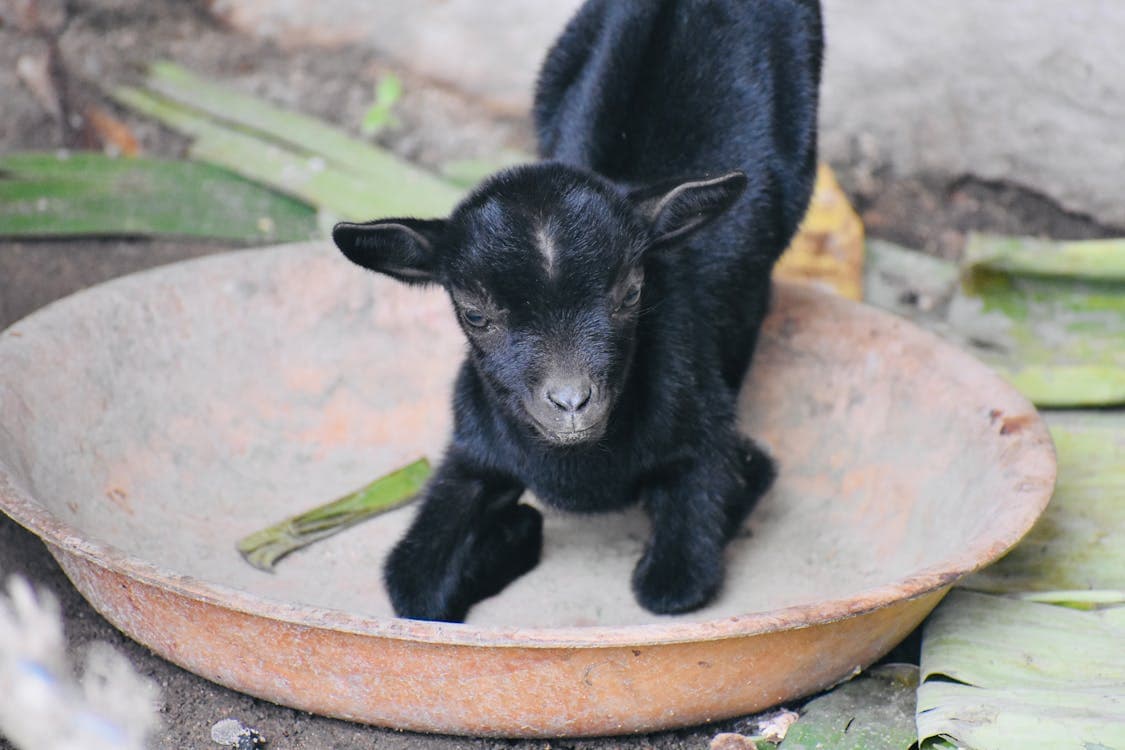
Goat hoof rot treatment centers on trimming away the diseased horn, applying a zinc or copper sulfate footbath, and keeping the goat on clean, dry footing until the hoof heals. Hoof rot is a bacterial infection of the soft tissue between and beneath the hoof's toes, and it thrives when goats stand in persistently wet, muddy conditions. Caught early and treated consistently, most cases respond well; stubborn or severe cases call for your veterinarian.
Key takeaways:
- Hoof rot is a contagious bacterial infection that causes limping, a foul smell, and separation of the hoof horn.
- Effective treatment combines careful trimming, a sulfate footbath, dry footing, and isolation of affected animals.
- Dry ground, routine trimming, and quarantining new goats are the best prevention.
What Is Goat Hoof Rot?
Hoof rot (also called foot rot) is an infection of the tissue between the two halves of the hoof and the surrounding horn. It develops when bacteria that live in soil and manure invade soft, waterlogged skin and break down healthy hoof tissue.
Because these bacteria spread from goat to goat through contaminated ground, hoof rot is genuinely contagious within a herd. One infected animal tracking bacteria across a muddy paddock can expose every goat that walks the same path, which is why early identification and isolation matter so much.
Hoof Rot vs. Foot Scald: Know the Difference
People often use these terms interchangeably, but they are not the same condition, and telling them apart helps you treat correctly.
| Feature | Foot Scald | Hoof Rot |
|---|---|---|
| Location | Skin between the toes only | Spreads under the hoof horn |
| Smell | Mild or none | Strong, foul, rotten odor |
| Appearance | Red, raw, moist skin | Separated, undermined horn; pus |
| Severity | Milder, surface-level | Deeper, more damaging |
| Spread | Less contagious | Highly contagious |
| Response | Often clears with dry footing and a footbath | Needs trimming plus a footbath, sometimes antibiotics |
Foot scald is frequently the early stage. If wet conditions persist and bacteria take deeper hold, scald can progress into full hoof rot, so treating scald promptly often prevents the worse infection.
What Causes Hoof Rot in Goats?
Hoof rot rarely appears out of nowhere. It almost always follows conditions that soften the hoof and give bacteria an opening.
- Persistently wet, muddy footing. Mud, standing water, and damp bedding soften the hoof horn and the skin between the toes, allowing bacteria to penetrate. This is the single biggest risk factor.
- Bacteria in the environment. The responsible organisms live in soil and manure, concentrated in heavily stocked, muddy areas around feeders and gates.
- Overgrown or neglected hooves. Long, folded hoof walls trap mud, manure, and moisture in pockets where bacteria flourish. Routine trimming removes these hiding spots.
- Warm, humid weather. Spring thaws and rainy seasons are classic hoof rot triggers.
- Introducing infected animals. A new goat carrying the bacteria can seed an entire clean herd.
Goats evolved on dry, rocky terrain, and their feet are not built for standing in mud for days on end. Remove the moisture and you remove most of the problem.
Symptoms: How to Spot Hoof Rot Early
The sooner you notice trouble, the easier treatment will be. Watch for these signs:
- Limping or lameness. Often the first thing you notice. A goat may favor one leg, walk gingerly, or even kneel to graze on its front knees to take weight off sore back feet.
- A foul, rotten smell. Hoof rot produces a distinctly putrid odor that is hard to mistake once you have encountered it.
- Separation of the hoof horn. The sole or wall may loosen and lift away from the underlying tissue, sometimes revealing pockets of gray, moist, decaying material.
- Swelling and heat. The foot, hoof, or area just above the hoof may look puffy and feel warm.
- Reluctance to move. Affected goats lie down more, hang back from the feeder, and lose condition if eating becomes too painful.
If more than one goat starts limping around the same time, treat it as a herd issue rather than an isolated injury and check every animal's feet. Keep in mind that lameness has many causes, including injuries, abscesses, and arthritis. If the cause is not obvious or the goat is not improving, a veterinarian can confirm the diagnosis and rule out look-alike problems.
Step-by-Step Hoof Rot Treatment
Consistency is what cures hoof rot. A single footbath will not fix a deep infection if the goat goes straight back into the mud. Work through these steps and repeat as needed.
Step 1: Trim Away the Affected Horn
Carefully pare back the loose, undermined, and diseased horn so air can reach the infected tissue. The bacteria responsible for hoof rot dislike oxygen, so opening up those sealed pockets is half the battle. Trim conservatively and stop before you reach pink, sensitive, or bleeding tissue. If you are not confident with trimming, review our guide on how to trim goat hooves first, and have sharp, clean hoof shears ready.
Step 2: Clean the Foot
Pick out packed mud and manure and clean the hoof so you can see what you are treating. A clean foot lets the footbath solution actually contact the infected tissue.
Step 3: Apply a Zinc or Copper Sulfate Footbath
A footbath is the workhorse of hoof rot treatment. The two common options are:
- Zinc sulfate (often used around a 10% solution) is generally considered gentler and is a popular choice.
- Copper sulfate is also effective but can be harsher and is toxic if ingested, so handle and dispose of it carefully.
Stand affected goats in the solution for the time your product or veterinarian recommends, then move them onto a clean, dry surface to let their feet dry before returning to bedding. Repeat footbaths on a regular schedule until the feet heal. Always mix and use these solutions exactly as directed, and keep goats from drinking the bath.
Step 4: Keep the Goat Dry
This step is non-negotiable. Move treated goats to a dry pen, dry lot, or deeply bedded stall. Healing hooves cannot recover if they go right back into mud. Clean, dry footing during recovery often matters more than the footbath itself.
Step 5: Isolate Affected Animals
Because hoof rot spreads through contaminated ground, separate infected goats from the rest of the herd while they heal. This protects healthy animals and gives you a controlled, dry space to manage treatment.
Step 6: Work With Your Vet on Stubborn Cases
Some infections run deep, involve multiple feet, or simply refuse to clear with topical care. In those cases, a veterinarian may prescribe systemic antibiotics or other medication. Always work with your vet on antibiotic choice and dosing rather than guessing, and ask about pain relief for a badly affected goat.
Consult your veterinarian for an accurate diagnosis and treatment plan, especially for severe, spreading, or non-responsive cases. The guidance here is general husbandry information, not a substitute for professional veterinary care.
Keeping a few basics on hand makes treatment far smoother. Stocking your goat first aid kit with clean hoof shears, a footbath solution, and gloves means you can act the moment you spot a problem.
How to Prevent Hoof Rot
Prevention is far easier than treatment, and it comes down to managing moisture and maintenance.
Provide Dry Footing
Drainage is your best defense. Keep high-traffic areas around feeders, waterers, and gates well drained, add gravel or sand to chronic mud spots, and bed shelters with clean, dry straw or shavings. A goat that spends most of its day on dry ground rarely develops hoof rot.
Trim Hooves Regularly
Routine trimming, usually every 6 to 12 weeks depending on the goat and terrain, removes the folded horn and debris pockets where bacteria thrive. Regular trimming also gives you frequent chances to inspect each foot and catch trouble early.
Quarantine New Animals
Hoof rot often enters a clean herd on the feet of a new arrival. Isolate any new goat for a couple of weeks, inspect and trim its hooves, and consider a preventive footbath before it ever touches your main pasture or joins the herd.
Maintain Overall Herd Health
Good nutrition supports strong hoof growth and a resilient immune system. Solid mineral support, especially adequate zinc, is associated with healthier hooves, so review your program in our guide to goat minerals and supplements. Hoof rot is also just one of several conditions worth knowing; our overview of common goat diseases can help you recognize problems early.
Frequently Asked Questions
How long does it take to cure goat hoof rot?
It varies with severity and how consistently you treat. Mild cases caught early may improve within a couple of weeks once the goat is on dry footing with regular footbaths. Deeper infections can take longer and may need veterinary care. Keeping the goat dry throughout is the biggest factor in recovery time.
Can hoof rot heal on its own?
It usually will not. Without trimming, a footbath, and dry footing, the bacteria continue to damage the hoof and the infection tends to spread to other goats. Hoof rot needs active treatment, not waiting and hoping.
Is goat hoof rot contagious to other goats?
Yes. The bacteria spread through contaminated soil, mud, and manure, so one infected goat can expose the whole herd as it walks shared ground. Isolating affected animals and drying out the environment are key to stopping the spread.
What is the best footbath solution for hoof rot?
Zinc sulfate and copper sulfate are the two most common choices. Zinc sulfate is often preferred because it is gentler, while copper sulfate is effective but harsher and toxic if swallowed. Use whichever your veterinarian recommends, and mix it strictly according to directions.
Why does my goat keep getting hoof rot?
Repeat infections almost always trace back to chronically wet, muddy footing, overdue hoof trims, or both. Improve drainage, bed shelters dry, tighten up your trimming schedule, and check your mineral program. If it persists despite those changes, ask your vet to investigate further.
Final Thoughts
Hoof rot looks alarming, but it is a manageable condition when you act early and stay consistent. Trim away the diseased horn, use a zinc or copper sulfate footbath, keep affected goats dry and isolated, and lean on your veterinarian for severe or stubborn cases. Then put your energy into prevention: dry footing, regular trimming, and quarantining newcomers will keep your herd sound and moving comfortably for years to come.

About Dr. Elma K. Johnson
Expert farmers and veterinarians with over 20 years of experience in goat farming and animal husbandry.
Related Articles
Goat Lice vs Mites: How to Tell the Difference and Treat Both
Goat lice vs mites confusing you? Learn to tell biting/sucking lice from mange-causing mites, spot the symptoms, and treat both with your vet's help.