Alpine vs Saanen Goat: Comparing Top Dairy Breeds
Alpine vs Saanen goat compared: milk volume, butterfat, color, temperament, heat tolerance, and hardiness. Find the best Swiss dairy breed for your farm.

Dr. Elma K. Johnson
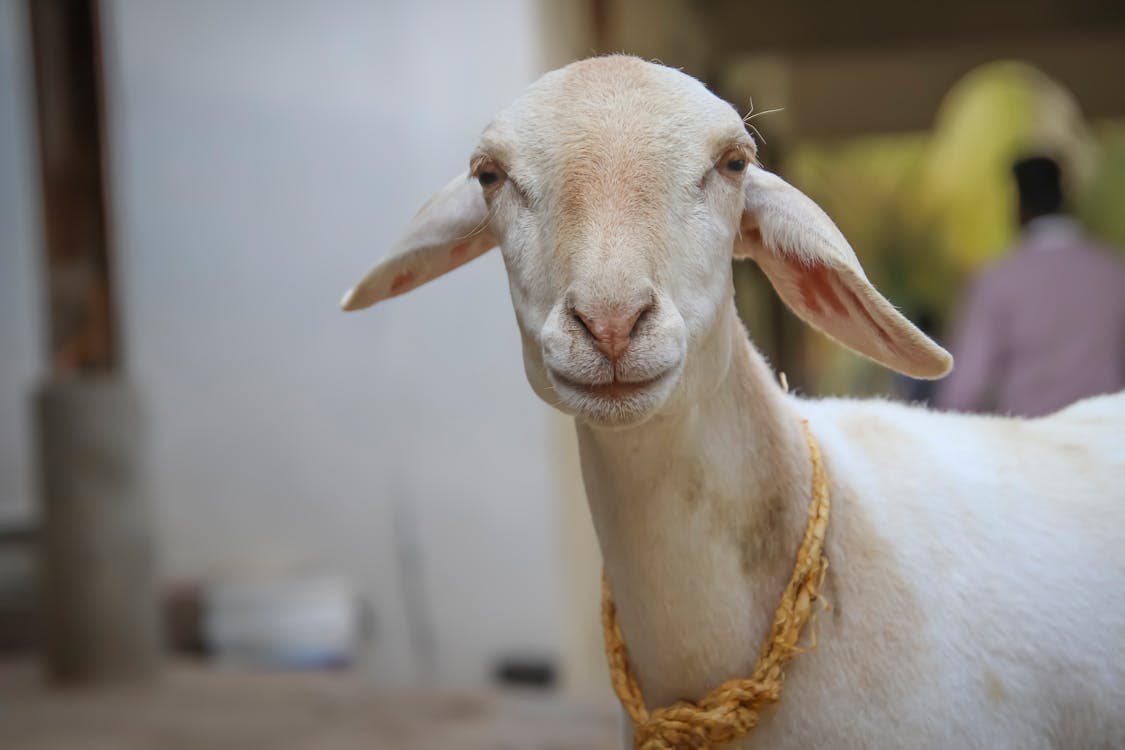
Both are heavy-hitting Swiss dairy breeds built for the milk pail, so the choice comes down to climate, color preference, and temperament. In the Alpine vs Saanen goat comparison, the Alpine is the better pick if you want a hardy, adaptable, colorful breed that tolerates heat and varied terrain, while the Saanen wins if you want the highest sheer milk volume from a calm, all-white doe and you can provide shade to protect its sun-sensitive skin. Both routinely top the charts for daily milk output, so neither is a wrong choice for a serious home dairy or small commercial operation.
Key takeaways:
- Saanens are the all-white "Holstein of the goat world," prized for the highest average milk volume, a docile temperament, and a calm milking nature, but their pale skin makes them prone to sunburn and heat stress.
- Alpines are colorful, rugged, and highly adaptable, with strong milk volume, excellent foraging ability, and better tolerance of heat, sun, and rough terrain.
- Pick the Saanen for maximum gallons in a mild or shaded setup; pick the Alpine for hardiness, climate flexibility, and an active, curious herd.
Alpine vs Saanen Goat: Side-by-Side Comparison
The table below summarizes the practical differences most prospective owners care about. Figures are general ranges for healthy, well-managed does and vary by individual, bloodline, feed, and stage of lactation.
| Feature | Alpine | Saanen |
|---|---|---|
| Origin | French Alps (Alpine mountain region) | Saanen Valley, Switzerland |
| Body size (doe) | Roughly 135 lb and up; lean, upright frame | Roughly 135 lb and up; large, sturdy frame |
| Milk volume | High (often around 1–2 gal/day) | Highest of the dairy breeds (often around 1.5–2+ gal/day) |
| Butterfat content | Moderate (often around 3–4%) | Moderate (often around 3–3.5%) |
| Coat color | Varied and colorful; many recognized patterns | Solid white or cream only |
| Skin and sun | Pigmented skin; tolerates sun well | Pale, pink skin; prone to sunburn and sun sensitivity |
| Heat tolerance | Good; adaptable to warm and rough conditions | Lower; struggles in hot, sunny climates without shade |
| Cold/hardiness | Very hardy; thrives in cold and on rugged terrain | Hardy in cold; needs shade more than warmth |
| Temperament | Alert, curious, active, sometimes assertive | Calm, gentle, docile, easygoing |
| Foraging ability | Excellent browser and forager | Good, but more pasture/feed dependent |
| Best for | Hardiness, hot or varied climates, active herds | Maximum volume, mild/shaded setups, calm handling |
For a wider look at how these Swiss breeds stack up against Nubians, LaManchas, and Nigerian Dwarfs, see our roundup of the best dairy goat breeds.
Milk: Volume and Butterfat Compared
Both of these breeds were developed for one job above all others: filling the pail. The differences between them are real but smaller than the gap between either of them and a richer, lower-volume breed like the Nubian.
Saanen milk
Saanens are often called the highest-producing dairy goat breed, and the reputation is earned. A well-fed, well-bred Saanen doe frequently leads the herd in total daily volume, which is exactly why the breed is a fixture in commercial dairies around the world. The trade-off is butterfat: Saanen milk tends to run a little lower in fat than most breeds, often in the 3–3.5% range, with a mild, clean, sweet flavor.
That combination, big volume and mild milk, makes Saanens ideal when your priority is gallons for drinking, bottle-raising kids, or feeding a family. If you are building a small operation around fluid milk, the Saanen's output is hard to beat. To see how volume, lactation length, and routine come together in practice, read our guide to raising goats for milk.
Alpine milk
Alpines are not far behind. They are strong, consistent producers with long, persistent lactations, and many Alpine does rival Saanens for total volume in a given season. Butterfat is comparable, generally in the 3–4% range, with a clean, well-balanced flavor that works well for both drinking and cheese.
The Alpine's edge is consistency under less-than-ideal conditions. Because the breed forages so efficiently and handles heat and varied terrain better, an Alpine can hold her production on pasture and rough ground where a Saanen might slip in hot weather. For anyone comparing raw output across breeds, our breakdown of the best goat breeds for milk production puts both of these Swiss breeds in context.
Remember that diet drives both volume and butterfat more than breed alone. A strong forage base plus the right minerals and supplements and steady access to clean water will do more for your milk than choosing one breed over the other.
Appearance and Color: Telling Them Apart
You can usually identify these two breeds across a pasture by color alone.
Saanens are the easy ones: they are solid white or pale cream, with no other accepted color. Their clean, uniform look earns them the nickname the "Holstein of the goat world." That striking white coat is part of the appeal, but it sits on pale, lightly pigmented skin, which matters a great deal for sun exposure (more on that below).
Alpines are the colorful opposite. The breed comes in a wide range of recognized coat patterns, often described with traditional French names such as:
- Cou Blanc ("white neck"): white front quarters shading to black hindquarters.
- Cou Clair ("clear neck"): light tan to gray front, black hindquarters.
- Chamoisee: brown or bay with a black face stripe, dorsal stripe, and legs.
- Sundgau: black with white markings on the face and underbody.
Both breeds share the upright, erect ears and straight or slightly dished face of the Swiss dairy type, with no Roman nose. Alpines tend to look lean and athletic, while Saanens often read as large and substantial.
Heat, Sun, and Climate Tolerance: A Deciding Factor
For many keepers, this single category settles the whole question, so it deserves a close look.
Saanens and the sun problem
The Saanen's beautiful white coat comes with a real management cost. Their pale, pink-toned skin is sun-sensitive, and Saanens are genuinely prone to sunburn, especially on the ears, nose, and udder, as well as to heat stress in hot, sunny climates. In a bright, southern, or high-altitude environment, an unprotected Saanen can suffer skin damage and a drop in production.
This does not make Saanens unsuitable for warm regions, but it does make shade non-negotiable. Owners in sunny areas should provide reliable shade structures, fly and udder protection, and cool water, and should watch closely during heat waves. Our guide on how to care for goats in summer covers the shade, water, and ventilation steps that keep light-skinned goats safe.
Alpines and adaptability
Alpines were shaped by the rugged French Alps, and it shows. They are notably hardy, handle a wide range of climates, and carry enough skin pigment to tolerate sun better than a Saanen. They cope well with cold, do beautifully on rough or hilly ground, and stay productive across varied conditions.
That said, no goat loves heat. Alpines still need shade, ventilation, and plenty of water in summer, but they are generally the lower-maintenance choice in hot, sunny climates. In cold weather, both breeds are hardy as long as they have dry, draft-free shelter; review our advice on preparing goats for winter to keep either breed comfortable through the cold months.
Temperament and Handling
Both breeds are people-friendly and milk well, but their personalities differ in ways that affect daily chores.
Saanens are widely regarded as one of the calmest, most docile dairy breeds. They are gentle, steady, and easygoing, which makes them excellent on the milk stand and a good match for first-time owners, children, and anyone milking by hand. A quiet, cooperative doe who stands placidly every morning is a real pleasure, and Saanens earn that reputation honestly.
Alpines are more spirited. They are alert, curious, intelligent, and active, and they often have a stronger sense of herd hierarchy and a more assertive streak. That energy makes them engaging and excellent foragers, but it can also make a dominant Alpine a bit pushy. They are still very manageable and friendly; they simply bring more personality and drive to the barnyard.
Whichever breed you choose, learning the basics of goat behavior will smooth out daily handling and help you read your herd's social dynamics early.
Size, Hardiness, and General Care
Both Alpines and Saanens are full-sized standard dairy goats, and their core care needs are very similar.
Size
Both are large breeds. Does of either commonly weigh from roughly 135 pounds upward, with bucks considerably heavier. Saanens often look broad and substantial, while Alpines tend to read as lean and athletic. Plan housing, fencing, and feeders for full-sized goats with either breed.
Hardiness and foraging
The Alpine is the rugged specialist. Built for mountain terrain, it forages aggressively, navigates rough and hilly ground with ease, and tends to stay sound and thrifty under variable conditions. If you have brushy, sloped, or marginal pasture, the Alpine's browsing drive is a genuine asset.
Saanens are hardy in cold and very productive, but they are somewhat more dependent on good pasture or supplemental feed to sustain their high output, and they need more attention to sun and heat. For a large, productive doe, a Saanen rewards a well-managed, shaded, well-fed setup.
Shared care basics
Regardless of breed, both need:
- A forage-first diet, since the rumen depends on long-fiber roughage to function properly.
- Free-choice loose minerals and clean water at all times.
- Routine hoof trimming, parasite monitoring, and a sound vaccination and deworming plan worked out with your veterinarian.
- Secure fencing, because both Swiss breeds are athletic, curious, and capable jumpers.
Before bringing any goat home, it helps to read a broader primer like our ultimate guide to raising goats.
Which Should You Choose? Recommendations by Use-Case
There is no universally "better" breed here, only the better fit for your climate and goals. Match yourself to the scenario below.
Choose a Saanen if you want:
- The highest sheer milk volume for drinking, a family, or a small fluid-milk operation.
- The calmest, most beginner-friendly temperament for easy, pleasant hand-milking.
- A mild or shaded environment where you can reliably protect pale skin from sun and heat.
- A clean, uniform, all-white herd with a classic dairy look.
Choose an Alpine if you want:
- Hardiness and adaptability across hot, cold, sunny, or rugged conditions.
- Excellent foraging on brushy, hilly, or marginal land.
- Strong, consistent milk volume that holds up well outside ideal conditions.
- A colorful, athletic, active breed with plenty of personality.
Still unsure?
If you live in a hot, sunny, or high-altitude region, or you have rough pasture, the Alpine is usually the safer default thanks to its sun tolerance and rugged constitution. If you have a mild climate or can guarantee good shade and you want maximum gallons from a famously gentle doe, the Saanen is hard to beat. For a structured way to weigh your options, our guide on how to choose goat breeds can help you finalize the decision.
Frequently Asked Questions
Which produces more milk, an Alpine or a Saanen?
Saanens are generally considered the highest-volume dairy goat breed and often lead the herd in total daily output. Alpines are close behind, with strong, persistent lactations that can rival Saanens, especially on pasture or in hot weather where Saanens may slip. If maximum gallons are the goal, lean Saanen; if you want strong volume plus hardiness, lean Alpine.
Why are Saanen goats so sensitive to the sun?
Saanens have pale, lightly pigmented skin under their white coats, which offers little natural protection from ultraviolet light. As a result, they are prone to sunburn on exposed areas like the ears, nose, and udder, and to heat stress in bright, hot climates. Providing shade, shelter, and cool water is essential for keeping Saanens comfortable and productive.
Are Alpine goats good for hot climates?
Alpines tolerate heat and sun better than Saanens because their skin carries more pigment, and the breed is broadly adaptable to varied conditions. They still need shade, ventilation, and plenty of water in summer, but they are generally the easier of the two breeds to keep in a hot, sunny region.
Which breed is better for a beginner?
The Saanen is often the easier first goat thanks to its exceptionally calm, docile temperament and high, steady production, provided you can manage its sun sensitivity. Alpines are also beginner-friendly but are more active and assertive, which some new owners enjoy and others find a handful. Both are forgiving compared with flightier breeds.
Can you crossbreed Alpines and Saanens?
Yes, these two Swiss breeds are commonly crossed, and many dairies do so to blend the Saanen's volume with the Alpine's hardiness and color. Crossbred kids will not be registrable as purebreds, but they can make excellent, productive, well-adapted home dairy goats.
Final Thoughts
The Alpine vs Saanen goat decision comes down to a single question: do you prioritize maximum volume in a manageable climate, or hardiness and adaptability across tougher conditions? Saanens reward you with the highest milk output and one of the gentlest temperaments in the dairy world, as long as you shield their pale skin from sun and heat. Alpines give you strong production, a colorful coat, superb foraging, and a rugged constitution that handles heat, cold, and rough terrain with ease.
Either breed will serve a home dairy or small farm well with good forage, clean water, secure fencing, reliable shade, and routine care. When in doubt, visit a few breeders, handle the animals, and consider your climate honestly, the right choice often becomes obvious once you weigh your summers against the shade you can provide.

About Dr. Elma K. Johnson
Expert farmers and veterinarians with over 20 years of experience in goat farming and animal husbandry.
Related Articles
Boer Goat vs Kalahari Red: Meat Breed Comparison
Boer goat vs Kalahari Red compared: appearance, growth rate, muscling, heat and parasite resistance, mothering, and best use. Find the right meat breed.