Can Goats Eat Watermelon Rind? The Ultimate Summer Treat Guide
Discover why watermelon rind is one of the best summer treats for goats. Learn about nutritional benefits, feeding tips, and how to safely share this refreshing snack.

Elma K. Johnson
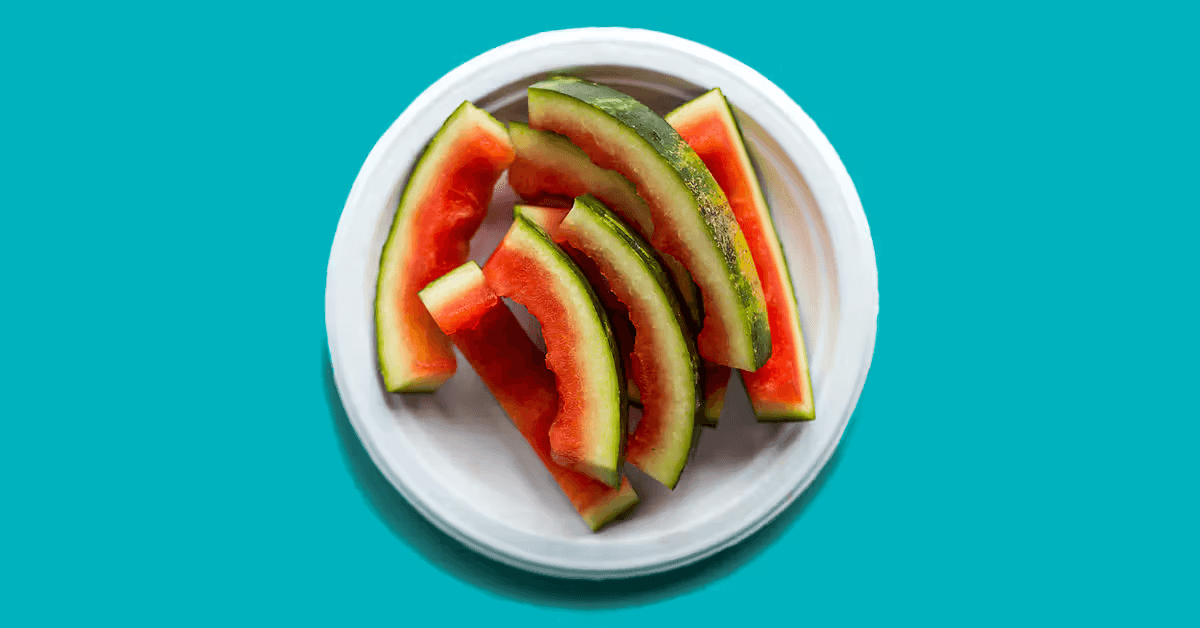
After enjoying watermelon on a hot summer day, you might wonder what to do with all those rinds. Yes, goats can eat watermelon rind, and it's actually one of the best summer treats you can offer them. Watermelon rind is not only safe but also hydrating, nutritious, and absolutely loved by most goats. For more feeding tips, check our complete feeding goats guide.
Many goat owners consider watermelon rind a summer staple for their herds. The high water content helps keep goats hydrated during hot weather, while the fiber and nutrients provide genuine health benefits.
Key takeaways: Watermelon rind is safe, nutritious, and hydrating for goats. The white and green parts are actually more nutritious than the red flesh. It's excellent for summer hydration but should be fed in moderation due to sugar content.
Why Watermelon Rind Is Great for Goats
The rind—the white and green parts we typically discard—offers surprising benefits for goats.
Nutritional Content
| Nutrient | Benefit for Goats |
|---|---|
| Water (92%) | Excellent hydration |
| Fiber | Supports digestion |
| Vitamin C | Immune support |
| Vitamin B6 | Energy metabolism |
| Potassium | Muscle function |
| Citrulline | Amino acid, heart health |
Interestingly, watermelon rind contains higher concentrations of certain nutrients than the red flesh, including the amino acid citrulline.
Hydration Benefits
During hot summer months, watermelon rind helps:
- Prevent dehydration in heat
- Encourage water intake (goats drink more when eating watery foods)
- Cool body temperature naturally
- Replace electrolytes lost through sweating
This makes it particularly valuable during heat waves. See our guides on summer goat care and preventing heat stress.
Watermelon Rind vs. Watermelon Flesh
Goats can eat both parts, but they differ nutritionally:
| Factor | Rind (White/Green) | Flesh (Red) |
|---|---|---|
| Sugar content | Lower | Higher |
| Fiber | Higher | Lower |
| Citrulline | Higher | Lower |
| Water content | Similar | Similar |
| Calories | Lower | Higher |
For healthier treats, the rind is actually preferable. Learn more about feeding watermelon to goats for complete information.
How to Feed Watermelon Rind to Goats
Proper preparation ensures safe, enjoyable feeding for your herd.
Preparation Options
Option 1: Large Chunks
- Cut rind into manageable pieces
- Goats enjoy tearing into larger chunks
- Good for enrichment and entertainment
- Best for adult goats
Option 2: Sliced Strips
- Cut into long strips
- Easy for goats to grab and eat
- Reduces competition in herds
- Works for all goat sizes
Option 3: Cubed
- Cut into 2-3 inch cubes
- Best for smaller goats or kids
- Easy to portion control
- Mixes well with other treats
Option 4: Whole Halves
- Give entire watermelon half (after scooping flesh)
- Maximum enrichment value
- Goats love digging in
- Only for larger herds
Portion Guidelines
| Goat Type | Recommended Portion | Frequency |
|---|---|---|
| Pygmy/Nigerian Dwarf | 1-2 cups cubed | 2-3x weekly |
| Medium dairy breeds | 2-3 cups cubed | 2-3x weekly |
| Large breeds | 3-4 cups cubed | 2-3x weekly |
| Kids (8+ weeks) | 1/2 cup cubed | 1-2x weekly |
During extreme heat, portions can be increased to support hydration.
Best Practices for Summer Feeding
Watermelon rind is especially valuable as a summer treat. Here's how to maximize benefits.
Hot Weather Tips
- Serve chilled - Refrigerate rinds for extra cooling effect
- Freeze for treats - Frozen rind chunks are refreshing
- Offer in shade - Prevents rapid spoilage in sun
- Morning or evening - Avoid midday heat for treat time
Making Frozen Treats
Create cooling summer snacks:
- Cut rind into chunks
- Place on baking sheet
- Freeze until solid
- Store in freezer bags
- Offer 2-3 pieces per goat on hot days
Frozen rind takes longer to eat, providing extended enrichment and cooling.
Combining with Other Summer Foods
Create a summer treat mix with:
- Watermelon rind
- Cucumber slices
- Cantaloupe rind
- Celery pieces
This variety provides diverse nutrients while keeping goats hydrated.
Parts of Watermelon Goats Can Eat
Goats can safely consume the entire watermelon:
The Rind (Focus of This Article)
- Green outer skin - Safe, slightly bitter
- White inner rind - Most nutritious part
- Preferred by many goats over red flesh
The Flesh
- Red/pink flesh - Safe but higher in sugar
- Limit quantities due to sugar content
- Seeds are safe - Goats can eat them whole
Seeds
- Black seeds - Completely safe
- White seeds - Also safe
- No need to remove - Goats digest them fine
Unlike some fruits where seeds must be removed (like apple seeds), watermelon seeds pose no threat to goats.
Potential Concerns
While watermelon rind is very safe, there are minor considerations.
Sugar Content
Even though rind is lower in sugar than flesh:
- Don't overfeed - Excess sugar can upset rumen
- Watch diabetic goats - Limit for metabolic issues
- Balance with hay - Ensure fiber intake maintained
For goats prone to weight issues, moderate watermelon treats carefully.
Digestive Adjustments
When first introducing watermelon rind:
- Start small - A few pieces initially
- Monitor droppings - Watch for loose stools
- Increase gradually - Allow digestive adaptation
Most goats tolerate watermelon rind immediately, but gradual introduction is always safest.
Pesticide Residue
Watermelon rinds may have:
- Surface pesticides from conventional growing
- Wax coatings for appearance
To minimize exposure:
- Wash rinds thoroughly
- Choose organic when possible
- Scrub outer green skin
Sourcing Watermelon Rinds
Beyond your own watermelons, consider these sources.
Free/Low-Cost Sources
- Grocery stores - Ask for damaged melons
- Farmers markets - Often have seconds
- Restaurants - May save rinds for pickup
- Neighbors - Announce you'll take rinds
- Events - Watermelon eating contests, parties
Peak Season Strategies
During summer watermelon season:
- Buy in bulk when prices drop
- Ask produce managers about overripe inventory
- Check discount racks for imperfect melons
- Grow your own - Plant extra for goats
A single large watermelon provides enough rind for several treat sessions.
Storing Watermelon Rind
Proper storage extends your watermelon rind supply.
Refrigerator Storage
- Cut rinds - Up to 5 days in sealed container
- Whole melons - 2-3 weeks uncut
- Check daily for any mold development
Freezer Storage
- Freezes well for 2-3 months
- Pre-cut before freezing for easy serving
- Flash freeze on tray, then bag
- Great for winter treats
Signs of Spoilage
Don't feed rinds that have:
- Mold of any color
- Slimy texture
- Off odors
- Significant discoloration
When in doubt, compost it rather than feed it.
Watermelon Rind for Different Life Stages
Adult Goats
- Can enjoy watermelon rind freely in moderation
- Excellent summer hydration source
- No special preparation needed
Pregnant Does
- Safe throughout pregnancy
- Good hydration support
- Don't overfeed (sugar/weight concerns)
- See pregnant goat signs for more care tips
Nursing Does
- Safe while nursing
- Supports milk production hydration
- Watch for loose stools in kids (from milk changes)
Kids
- Wait until eating solid food (8+ weeks)
- Cut into small, manageable pieces
- Introduce gradually
- Excellent for bottle-fed babies transitioning to solids
Senior Goats
- Soft, easy to chew
- Good for goats with dental issues
- Hydration support important for seniors
FAQ: Goats and Watermelon Rind
Can goats eat the green skin of watermelon? Yes, goats can eat the entire rind including the green outer skin. Some goats prefer the white inner rind, but the green skin is completely safe and nutritious.
Is watermelon rind better than the red flesh for goats? In many ways, yes. The rind has lower sugar, higher fiber, and more of the amino acid citrulline. Both are safe, but rind is arguably healthier as a regular treat.
How often can I give my goats watermelon rind? During summer, 2-3 times per week is appropriate for most goats. During heat waves, daily small portions can help with hydration. Always ensure adequate hay intake.
Can watermelon rind cause diarrhea in goats? Excessive amounts can cause loose stools due to high water content. Start with small portions and increase gradually. If diarrhea occurs, reduce quantity.

About Elma K. Johnson
Expert farmers and veterinarians with over 20 years of experience in goat farming and animal husbandry.
Related Feeding Guides
Can Goats Eat Bamboo? A Complete Guide to This Nutritious Browse
Learn whether goats can safely eat bamboo, the nutritional benefits it provides, and how to incorporate this fast-growing plant into your goat's diet.