Can Goats Eat Bamboo? A Complete Guide to This Nutritious Browse
Learn whether goats can safely eat bamboo, the nutritional benefits it provides, and how to incorporate this fast-growing plant into your goat's diet.

Elma K. Johnson
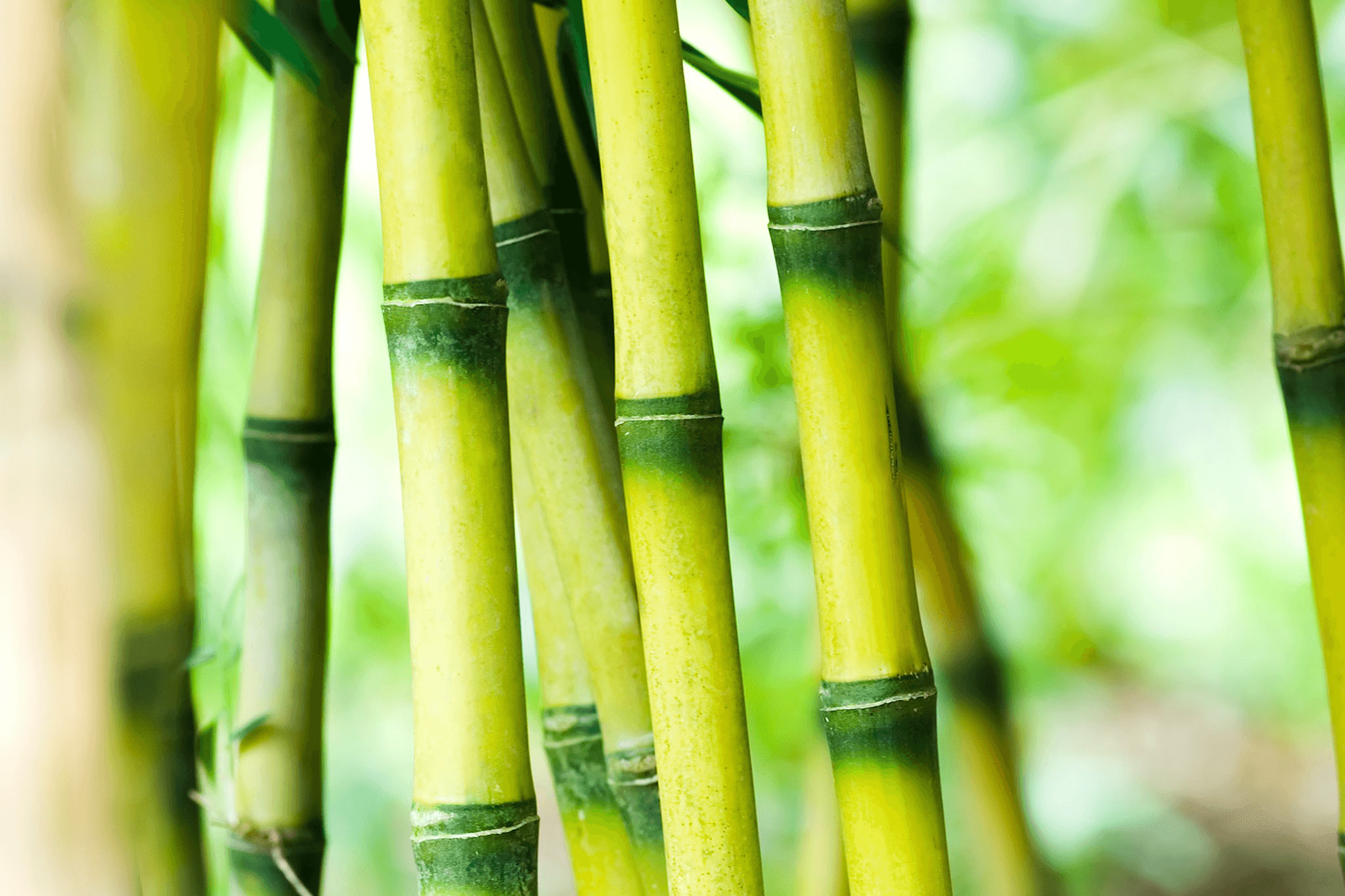
If you have bamboo growing on your property, you might wonder if your goats can help keep it under control. Yes, goats can eat bamboo safely, and many goats absolutely love it. Bamboo leaves, shoots, and even the woody stalks provide excellent browse for goats and can be a nutritious addition to their regular diet. For comprehensive feeding information, check our feeding goats guide.
Bamboo is actually part of the grass family, making it a natural food source for grazing and browsing animals. Goats find bamboo particularly palatable and will often choose it over other vegetation when given the option.
Key takeaways: All parts of bamboo are safe for goats, with leaves being the most nutritious. Bamboo provides fiber, protein, and minerals. It's excellent browse but should supplement—not replace—their primary hay diet.
Nutritional Benefits of Bamboo for Goats
Bamboo offers several nutritional advantages that make it a valuable addition to your goat's diet. Understanding these benefits helps you make informed feeding decisions. Different goat breeds may have varying nutritional needs—learn more in our best goat breeds for beginners guide.
Protein and Fiber Content
Bamboo leaves are surprisingly nutritious:
| Nutrient | Content in Bamboo Leaves |
|---|---|
| Crude Protein | 12-20% |
| Crude Fiber | 25-35% |
| Calcium | 0.3-0.5% |
| Phosphorus | 0.2-0.3% |
The high fiber content supports healthy rumen function, while the protein levels compare favorably to quality grass hay. This makes bamboo an excellent supplemental feed, especially for dairy goats that need extra nutrition.
Mineral Content
Bamboo provides trace minerals that benefit goat health:
- Silica - Supports healthy hooves and coat
- Potassium - Essential for muscle function
- Manganese - Important for bone development
- Zinc - Supports immune function
These minerals complement the loose minerals you should always provide. For more on preventing nutritional deficiencies, see our guide on common goat diseases.
Which Parts of Bamboo Can Goats Eat?
Goats can consume virtually all parts of the bamboo plant, though some parts are more palatable and nutritious than others.
Bamboo Leaves
Leaves are the most nutritious and preferred part:
- Highest protein content of any bamboo part
- Easily digestible fiber
- Year-round availability in most climates
- Goats' favorite bamboo component
Fresh green leaves are most nutritious, but goats will also eat dried or fallen leaves.
Bamboo Shoots
Young bamboo shoots are edible and enjoyed by goats:
- Tender and palatable when young
- Higher moisture content than mature bamboo
- Seasonal availability (spring for most species)
- Remove any tough outer sheaths for easier consumption
Woody Stalks
Mature bamboo stalks are less preferred but still safe:
- Goats may strip bark and outer layers
- Good for dental health - helps wear down teeth
- Lower nutritional value than leaves
- Best offered when split or broken for easier access
How Much Bamboo Can Goats Eat?
While bamboo is nutritious, it should be part of a balanced diet rather than the sole food source.
Recommended Amounts
- Treats/supplements: Unlimited access alongside regular diet
- Primary browse: Can constitute 20-30% of daily intake
- Exclusive diet: Not recommended—lacks complete nutrition
Goats should always have access to quality hay as their dietary foundation. Bamboo works best as supplemental browse.
Feeding Frequency
Bamboo can be offered:
- Daily if available in moderation
- Free-choice in pastures with bamboo growth
- Periodically as cut browse brought to penned goats
Monitor your goats' overall diet to ensure they're getting adequate nutrition from multiple sources.
Using Goats to Control Bamboo
Bamboo can be invasive in many regions, and goats offer an eco-friendly control method. This is similar to using goats for poison ivy removal.
Effectiveness of Goat Grazing
Goats can help manage bamboo through:
- Eating new shoots - Prevents spread
- Stripping leaves - Weakens established plants
- Repeated grazing - Exhausts root reserves over time
However, established bamboo is remarkably persistent. Complete eradication typically requires:
- Multiple seasons of intensive grazing
- Combination with root barrier installation
- Possible mechanical removal of mature culms
Best Breeds for Bamboo Control
Larger, more aggressive browsers work best:
| Breed | Effectiveness | Notes |
|---|---|---|
| Boer | Excellent | Strong browsers, large appetite |
| Kiko | Excellent | Hardy, persistent foragers |
| Alpine | Good | Active, will browse high growth |
| Nubian | Good | Large, enthusiastic eaters |
Even smaller breeds like Pygmy and Nigerian Dwarf goats will eat bamboo, though they may not reach higher growth.
Types of Bamboo Safe for Goats
There are over 1,000 bamboo species, and virtually all are safe for goats. Common varieties include:
Running Bamboo (Spreads Aggressively)
- Golden bamboo (Phyllostachys aurea)
- Black bamboo (Phyllostachys nigra)
- Arrow bamboo (Pseudosasa japonica)
Clumping Bamboo (Stays Contained)
- Bambusa species
- Fargesia species
- Himalayan bamboo
Both types are safe, though running bamboo is more commonly targeted for goat control due to its invasive nature.
Potential Concerns with Bamboo Feeding
While bamboo is generally safe, there are a few considerations to keep in mind.
Cyanide Content
Some bamboo species contain small amounts of cyanogenic glycosides (similar to apple seeds). However:
- Concentrations are very low in most ornamental bamboo
- Goat digestive systems handle these compounds well
- No documented cases of bamboo poisoning in goats
- Fresh shoots have slightly higher levels than mature growth
The risk is negligible for goats with varied diets and normal bamboo consumption.
Choking Hazards
Woody bamboo stalks could potentially cause issues:
- Break or split large stalks before offering
- Monitor goats when first introducing bamboo
- Remove any sharp splintered pieces
Most goats naturally avoid pieces they can't safely consume.
Harvesting and Storing Bamboo for Goats
If bamboo doesn't grow on your property, you can harvest and store it for later use.
Harvesting Tips
- Cut leafy branches in morning for highest moisture
- Select green, healthy growth over yellow or dead material
- Bundle loosely to prevent crushing leaves
- Transport quickly to preserve freshness
Storage Methods
Bamboo can be preserved through:
- Fresh feeding - Use within 2-3 days
- Drying - Spread in sun, store when crispy
- Silage - Chop and ferment (advanced method)
Dried bamboo leaves retain nutritional value and can be stored for months in dry conditions.
Comparing Bamboo to Other Browse Options
| Browse Type | Protein | Palatability | Availability |
|---|---|---|---|
| Bamboo | 12-20% | High | Year-round |
| Blackberry | 8-12% | High | Seasonal |
| Kudzu | 15-25% | Very High | Seasonal |
| Multiflora Rose | 10-15% | Medium | Year-round |
Bamboo compares favorably to other browse options, particularly for year-round availability in temperate climates.
FAQ: Goats and Bamboo
Is all bamboo safe for goats to eat? Yes, all common bamboo species are safe for goats. Both running and clumping varieties can be eaten, including leaves, shoots, and stalks.
Can baby goats eat bamboo? Yes, once kids are eating solid food (after 8-10 weeks), they can safely eat bamboo leaves. Start with tender leaves and monitor for any digestive issues.
Will goats completely eliminate bamboo? Goats can significantly control bamboo but rarely eliminate established groves completely. Persistent grazing over multiple seasons combined with root barriers works best.
Can bamboo replace hay in a goat's diet? No, bamboo should supplement rather than replace quality hay. Goats need the consistent nutrition that hay provides as their dietary foundation.

About Elma K. Johnson
Expert farmers and veterinarians with over 20 years of experience in goat farming and animal husbandry.
Related Feeding Guides
Can Goats Eat Banana Peels? Safe Feeding Guide & Benefits
Learn whether goats can safely eat banana peels, the nutritional benefits they provide, and the best ways to prepare this potassium-rich treat for your herd.