Can Goats Eat Poison Ivy? Your Complete Guide to Natural Brush Clearing
Discover why goats can safely eat poison ivy and how to use them for natural brush clearing. Learn the science behind goat immunity and best practices for poison ivy control.

Elma K. Johnson
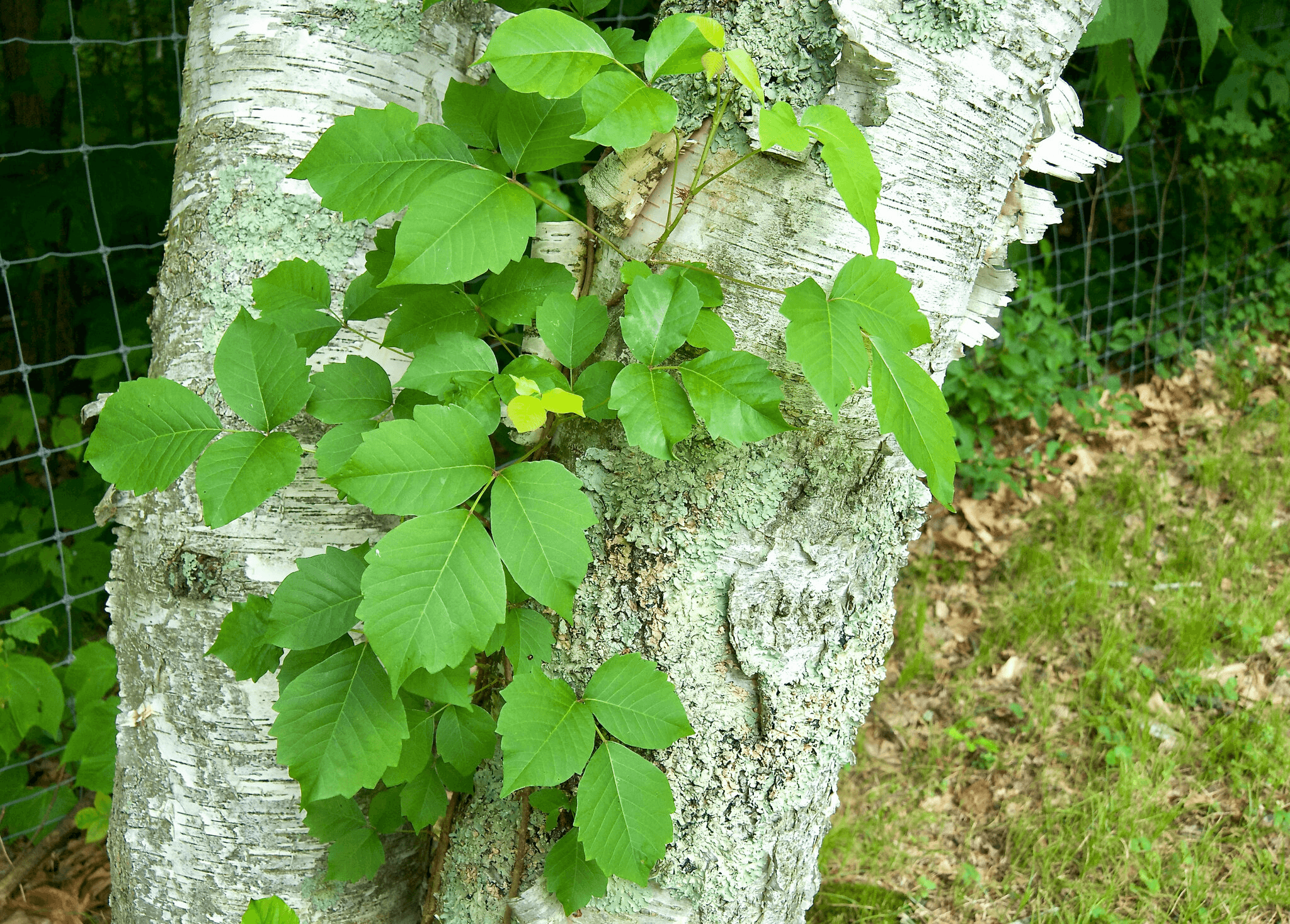
If you have poison ivy taking over your property, you might be wondering if goats can help. Yes, goats can eat poison ivy safely—in fact, they love it. Goats are naturally immune to urushiol, the oil in poison ivy that causes painful rashes in humans, making them one of the best natural solutions for clearing this invasive plant. For more about what goats can and cannot eat, check our comprehensive feeding goats guide.
Unlike humans who develop allergic reactions to poison ivy, goats have a digestive system that neutralizes urushiol completely. This makes goats an eco-friendly, chemical-free alternative to herbicides for property owners dealing with poison ivy infestations.
Key takeaways: Goats can safely eat all parts of poison ivy including leaves, stems, and vines. They won't develop rashes and actually find it quite palatable. However, you should avoid touching goats immediately after they've eaten poison ivy, as urushiol can remain on their fur temporarily.
Why Goats Can Eat Poison Ivy Safely
Goats have evolved to be browsers rather than grazers, meaning they naturally prefer woody plants, shrubs, and yes—poison ivy. Their digestive systems are remarkably different from humans and even other livestock. If you're new to goats, our best goat breeds for beginners guide can help you choose the right breed for brush clearing.
The Science Behind Goat Immunity
Goats possess a unique digestive system that allows them to process urushiol without any adverse effects. Here's why:
- Thick mouth tissue - Goats have tough, leathery mouths that resist irritation from plant oils
- Specialized rumen - Their four-chambered stomach breaks down urushiol before it can cause harm
- Different immune response - Goats don't produce the antibodies that cause allergic reactions in humans
- Natural browser evolution - Goats evolved eating woody, oily plants for thousands of years
The urushiol oil that causes misery for humans is simply processed as another nutrient source for goats. Their bodies metabolize it completely during digestion, rendering it harmless.
Nutritional Value of Poison Ivy for Goats
While poison ivy isn't a primary food source, it does offer some nutritional benefits for goats:
- Protein content - Poison ivy leaves contain moderate protein levels
- Browse variety - Adds diversity to their foraging diet
- Natural minerals - Contains trace minerals found in woody browse
- Fiber - The stems and vines provide roughage for digestive health
However, poison ivy should supplement—not replace—their regular diet of quality hay and appropriate forage.
Using Goats for Poison Ivy Control
Many property owners are turning to goats as a natural, sustainable method for clearing poison ivy. This practice, sometimes called "targeted grazing" or "prescribed grazing," is becoming increasingly popular. Different breeds have varying appetites for brush—learn more in our dairy goat breeds or check out hardy meat breeds guide.
Best Goat Breeds for Brush Clearing
While all goats can eat poison ivy, some breeds are particularly effective at brush clearing:
| Breed | Effectiveness | Notes |
|---|---|---|
| Boer | Excellent | Large, hardy, aggressive browsers |
| Kiko | Excellent | Disease-resistant, low maintenance |
| Spanish | Excellent | Natural foragers, heat tolerant |
| Alpine | Good | Active browsers, adaptable |
| Pygmy | Moderate | Great for smaller areas |
Meat breeds and hardy mixed breeds tend to be the most enthusiastic brush clearers, though any healthy goat will readily consume poison ivy.
How Many Goats Do You Need?
The number of goats needed depends on the size of your poison ivy problem:
- Small patch (under 1/4 acre): 2-4 goats
- Medium area (1/4 to 1 acre): 4-8 goats
- Large infestation (1+ acres): 8-15+ goats
Keep in mind that goats may need multiple passes over several weeks to fully eradicate poison ivy. The roots can survive initial grazing, so persistent browsing is key to complete elimination.
Safety Precautions When Using Goats for Poison Ivy
While goats themselves are safe eating poison ivy, there are important precautions to protect yourself and others.
Urushiol Transfer Risks
After goats eat poison ivy, urushiol oil can remain on their:
- Fur and coat - Especially around the mouth and face
- Hooves - From walking through poison ivy patches
- Fencing and equipment - Anything they rub against
Wait 24-48 hours before handling goats that have been eating poison ivy, or wear protective gloves and long sleeves. The oil breaks down over time and through exposure to air.
Protecting Yourself
When using goats for poison ivy control:
- Wear protective clothing when moving goats or checking fencing
- Wash hands thoroughly after any contact with goats or equipment
- Keep children away from areas being cleared until work is complete
- Clean equipment with rubbing alcohol or specialized urushiol removers
For general goat health monitoring during brush clearing operations, review our guide on common goat diseases.
Goat Milk and Poison Ivy: Is It Safe?
A common concern among goat owners is whether urushiol can transfer to goat milk. The good news is that goat milk remains completely safe even when goats are eating poison ivy.
Why Milk Is Unaffected
Urushiol is fully metabolized in the goat's digestive system before it could ever reach the mammary glands. Studies and centuries of anecdotal evidence confirm:
- Milk composition remains unchanged
- No urushiol traces appear in milk
- Milk is safe for human consumption
- Cheese, soap, and other products are unaffected
If you're milking goats, you can continue safely—just be sure to protect yourself from urushiol on the goat's coat during milking. Learn proper techniques in our how to milk a goat guide.
Other Toxic Plants Goats Can Eat
Goats are remarkably resilient to many plants that are toxic to other animals or humans. Besides poison ivy, they can also safely consume:
- Poison oak - Contains the same urushiol as poison ivy
- Poison sumac - Another urushiol-containing plant
- Multiflora rose - Invasive thorny shrub
- Honeysuckle - Often considered invasive
- Kudzu - The "vine that ate the South"
- Blackberry brambles - Thorns and all
However, there are plants that ARE toxic to goats. Review our complete guide on toxic plants for goats to know what to avoid.
Setting Up a Poison Ivy Clearing Operation
If you're planning to use goats for brush clearing, proper setup ensures success.
Fencing Requirements
Goats need secure fencing to contain them in the target area:
- Electric fencing works well for temporary grazing areas
- Portable panels allow you to move goats as areas are cleared
- Height minimum of 4 feet prevents escaping (see why goats jump fences)
For permanent installations, check our guide on building goat fences.
Providing Adequate Care During Clearing
Even while clearing brush, goats need:
- Fresh water - Always available, refreshed daily
- Mineral supplements - Free-choice loose minerals
- Shelter access - Protection from rain and extreme heat
- Supplemental hay - Especially if browse is limited
During hot summer months, review our summer goat care guide to prevent heat stress.
Renting Goats for Poison Ivy Removal
Don't have goats? Many areas now have goat rental services specifically for brush clearing. These services typically:
- Deliver goats to your property
- Set up temporary fencing
- Monitor goat health and rotation
- Remove goats when the job is done
Search for "goat grazing services" or "goat rental for brush clearing" in your area. Costs typically range from $500-$1,500 per acre depending on terrain and vegetation density.
Comparing Goats to Other Poison Ivy Control Methods
| Method | Pros | Cons |
|---|---|---|
| Goats | Chemical-free, fertilizes soil, entertaining | Requires fencing, time, goat care |
| Herbicides | Fast results | Chemicals, kills other plants, repeated applications |
| Manual removal | Precise control | Risk of rash, labor-intensive, regrowth |
| Solarization | No chemicals | Very slow, kills all vegetation |
Goats offer the most sustainable, environmentally friendly solution while also providing entertainment and potential income through meat, milk, or breeding.
FAQ: Goats and Poison Ivy
Will eating poison ivy make goats sick? No, goats are completely immune to urushiol and can eat unlimited amounts of poison ivy without any negative health effects. Their digestive systems fully neutralize the oil.
Can I touch my goat after it eats poison ivy? Wait 24-48 hours before handling goats that have been eating poison ivy. Urushiol oil can remain on their fur temporarily and transfer to your skin, causing a rash.
How long does it take goats to clear poison ivy? A small patch can be cleared in 1-2 weeks with adequate goats. Larger areas may take several months with multiple grazing rotations to fully eliminate roots and regrowth.
Is goat milk safe if goats eat poison ivy? Yes, goat milk is completely safe. Urushiol is fully metabolized during digestion and does not transfer to milk, making it safe for drinking, cheese-making, or soap production.
What breeds are best for clearing poison ivy? Hardy meat breeds like Boer, Kiko, and Spanish goats are excellent brush clearers. However, any goat breed will readily eat poison ivy—even small breeds like Nigerian Dwarf and Pygmy goats.

About Elma K. Johnson
Expert farmers and veterinarians with over 20 years of experience in goat farming and animal husbandry.
Related Feeding Guides
Can Goats Eat Bamboo? A Complete Guide to This Nutritious Browse
Learn whether goats can safely eat bamboo, the nutritional benefits it provides, and how to incorporate this fast-growing plant into your goat's diet.