Can Goats Eat Corn Husks? A Guide to This Fiber-Rich Treat
Learn whether goats can safely eat corn husks, the nutritional benefits of corn plant parts, and how to properly feed this farm waste to your herd.

Elma K. Johnson
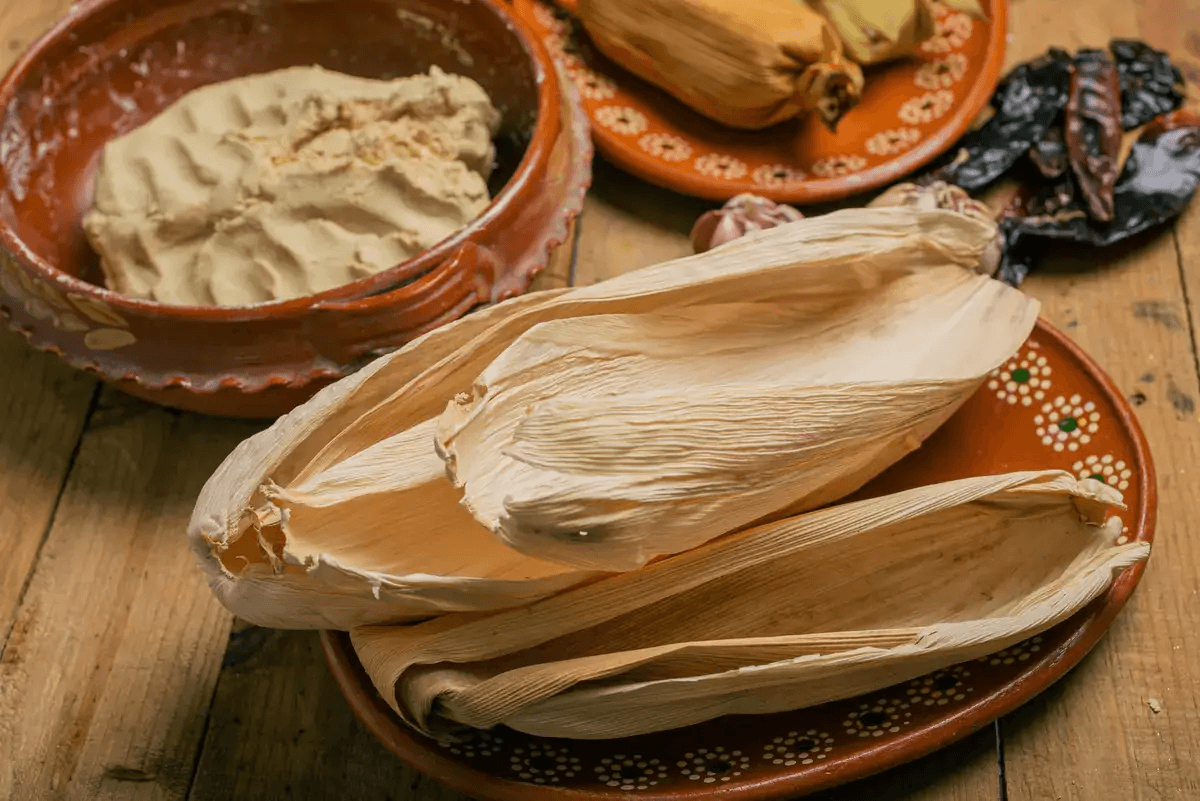
After corn harvest or a summer cookout, you may have piles of corn husks and wonder if your goats can eat them. Yes, goats can safely eat corn husks, and they make an excellent source of fiber. Corn husks are non-toxic, digestible, and most goats find them quite palatable. For comprehensive feeding guidance, see our feeding goats guide.
Feeding corn husks to goats is a great way to reduce waste while supplementing your herd's fiber intake. Whether you're a farmer with corn fields or just had a backyard barbecue, your goats will happily clean up those husks.
Key takeaways: Corn husks are safe and fiber-rich treats for goats. Both fresh and dried husks are edible. Remove silk before feeding when possible. Husks should supplement, not replace, their regular hay diet.
Nutritional Value of Corn Husks
Corn husks provide several nutritional benefits for goats, though they shouldn't be considered a primary food source.
Nutrient Profile
| Component | Content | Benefit |
|---|---|---|
| Crude Fiber | 30-35% | Excellent for rumen health |
| Crude Protein | 3-5% | Minimal contribution |
| Moisture (fresh) | 70-80% | Hydration support |
| Digestibility | 50-60% | Moderate energy source |
While corn husks are lower in protein than quality hay, they provide valuable fiber that supports healthy digestion in goats.
Comparison to Other Corn Parts
Goats can eat various parts of the corn plant. Here's how they compare:
| Corn Part | Safety | Nutrition | Palatability |
|---|---|---|---|
| Husks | Safe | Low-moderate | High |
| Corn kernels | Safe (moderation) | High energy | Very high |
| Corn stalks | Safe | Low | Moderate |
| Corn silk | Safe | Minimal | Low |
| Corn cobs | Safe | Very low | Low |
Learn more about feeding corn to goats for complete information on all corn plant parts.
How to Feed Corn Husks to Goats
Proper preparation ensures your goats get the most benefit from corn husks.
Fresh Corn Husks
Fresh husks straight from corn-on-the-cob:
- Remove most silk - Can cause minor digestive issues in excess
- Check for mold - Discard any musty-smelling husks
- Offer whole or torn - Goats handle both well
- Feed same day - Fresh husks spoil quickly in heat
Fresh husks are more palatable and easier to digest than dried ones.
Dried Corn Husks
Dried husks from harvest or storage:
- Rehydrate if desired - Soak in water to soften
- Check for mold - Common problem with improper storage
- Break into pieces - Easier for goats to manage
- Store properly - Keep dry to prevent spoilage
Dried husks store well and can be a useful winter supplement when fresh browse is limited. See our winter feeding guide.
Quantity Guidelines
| Herd Size | Fresh Husks | Dried Husks |
|---|---|---|
| 2-4 goats | 8-12 husks | 6-8 husks |
| 5-10 goats | 20-30 husks | 15-20 husks |
| 10+ goats | As available | As available |
Corn husks can be offered freely when available, as goats will self-regulate and won't overeat this fibrous material.
Benefits of Feeding Corn Husks to Goats
Beyond basic nutrition, corn husks offer several advantages for goat keepers.
Digestive Health
The high fiber content supports:
- Rumen function - Fiber keeps the rumen active
- Gut motility - Prevents digestive slowdown
- Healthy bacteria - Feeds beneficial microbes
- Prevent bloat - Fiber reduces bloat risk (see bloat prevention)
Dental Health
Chewing fibrous husks helps:
- Wear down teeth naturally
- Strengthen jaw muscles
- Promote saliva production for digestion
Environmental Benefits
Feeding corn husks to goats:
- Reduces farm waste from corn harvest
- Decreases composting needs
- Converts waste to manure - valuable fertilizer
- Sustainable practice for small farms
Learn how to use goat manure as fertilizer to complete the cycle.
Corn Husks vs. Corn Silage
If you have access to both, understanding the differences helps you choose wisely.
Corn Husks
Pros:
- Simple, no processing needed
- Safe in any quantity
- Low cost/free
- Easy storage when dried
Cons:
- Lower nutritional value
- Less palatable when very dry
- Limited availability (seasonal)
Corn Silage
Pros:
- Higher nutritional value
- Fermented for better digestion
- Year-round availability
- Energy-dense feed
Cons:
- Requires proper fermentation
- Can cause acidosis if overfed
- Needs storage infrastructure
- More expensive to produce
For most small-scale goat keepers, corn husks are the simpler, safer option.
Feeding Corn Husks to Different Goat Types
Different goats have varying needs when it comes to corn husk feeding.
Dairy Goats
Dairy breeds like Saanen, Nubian, and Alpine:
- Can eat corn husks freely as fiber supplement
- Need higher quality feed for milk production
- Husks shouldn't replace alfalfa or dairy ration
- Good for maintaining rumen health between meals
Meat Goats
Meat breeds and commercial herds:
- Excellent low-cost fiber source
- Can be a larger portion of diet
- Supports efficient digestion
- Reduces feed costs during finishing
Pet Goats
Pygmy and Nigerian Dwarf goats:
- Fun enrichment activity
- Smaller portions appropriate
- Watch weight gain in pet goats
- Great boredom buster
Pregnant/Nursing Does
For does with higher nutritional needs:
- Corn husks are safe throughout pregnancy
- Shouldn't be primary fiber source
- Ensure adequate protein from other sources
- Monitor body condition closely
See our guide on signs of pregnant goats for more pregnancy care tips.
Potential Concerns with Corn Husks
While generally safe, there are some considerations to keep in mind.
Corn Silk Issues
The silk (fine threads) can occasionally cause:
- Minor digestive irritation in sensitive goats
- Impaction if consumed in very large quantities
- Choking in rare cases
Removing most silk before feeding eliminates these concerns. A little silk left behind is fine.
Pesticide Residue
Commercially grown corn may have:
- Herbicide residue on husks
- Insecticide traces from pest control
- GMO concerns for some owners
If concerned, source organic corn husks or wash thoroughly. Alternatively, grow your own feed corn without chemicals.
Mold Risks
Improperly stored husks can develop:
- Aspergillus mold - Produces harmful toxins
- Fusarium mold - Can cause digestive issues
- General spoilage - Reduces palatability
Always inspect husks before feeding and discard any with visible mold, off-odors, or discoloration.
Sourcing Corn Husks for Goats
Beyond your own garden, there are many sources for corn husks.
Seasonal Sources
- Farmers markets - Often discard husks
- Sweet corn stands - Large quantities available
- Neighbors' gardens - Ask for their waste
- Your own garden - Plant extra for goats
Year-Round Sources
- Grocery stores - May give husks from corn displays
- Restaurants - Mexican restaurants use many husks
- Tamale makers - Have abundant husk waste
- Dried husk suppliers - For crafts, also good for goats
Corn Harvest Waste
If you know farmers:
- Field residue after harvest
- Processing plant waste
- Corn maze cleanup in fall
Large quantities can be dried and stored for winter feeding.
Storing Corn Husks
Proper storage extends availability beyond corn season.
Drying Methods
- Sun drying - Spread in single layer, turn daily
- Oven drying - Low heat (150°F) for several hours
- Dehydrator - Most consistent results
- Air drying - Hang in bundles in dry location
Storage Tips
- Completely dry before storing (prevents mold)
- Breathable containers or paper bags
- Cool, dry location away from moisture
- Check periodically for any mold development
Properly dried husks can last 6-12 months.
FAQ: Goats and Corn Husks
Can goats eat corn husks every day? Yes, corn husks can be offered daily as a fiber supplement. They're safe in unlimited quantities, though they shouldn't replace quality hay as the primary forage.
Are corn cobs safe for goats too? Yes, but cobs have very low nutritional value and goats typically show little interest. They may gnaw on them but won't consume much. Husks are preferred.
Can baby goats eat corn husks? Yes, kids eating solid food (8+ weeks) can have corn husks. Tear into smaller pieces for young kids and ensure they're also eating proper kid feed and hay.
Do I need to cook corn husks before feeding? No, goats can eat raw corn husks directly. Cooking isn't necessary and doesn't provide any benefit for goat consumption.

About Elma K. Johnson
Expert farmers and veterinarians with over 20 years of experience in goat farming and animal husbandry.
Related Feeding Guides
Can Goats Eat Bamboo? A Complete Guide to This Nutritious Browse
Learn whether goats can safely eat bamboo, the nutritional benefits it provides, and how to incorporate this fast-growing plant into your goat's diet.