How to Feed Goats Grain: Types, Amounts, and Safety Tips
Wondering what grain to feed goats? Learn which goats need grain, the best types, safe amounts, how to transition, and how to avoid deadly grain overload.

Dr. Elma K. Johnson
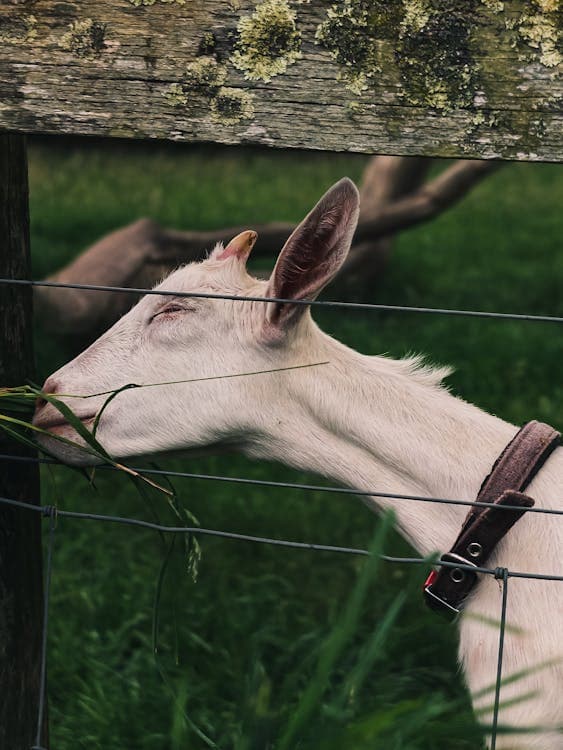
Most healthy adult goats do not need grain at all — good forage, free-choice minerals, and clean water meet their needs. When you do feed grain, the best choices are whole or rolled cereal grains (oats, barley, corn) or a balanced commercial goat feed, fed in small, measured amounts to goats with higher energy needs such as lactating does, growing kids, and hard keepers. Knowing what grain to feed goats — and how much — matters because too much grain too fast can trigger life-threatening rumen problems.
Key takeaways:
- Grain is a supplement, not a staple — forage should always be the base of the diet.
- Lactating does, growing kids, and underweight "hard keepers" benefit most; wethers and bucks need caution because grain can promote urinary calculi.
- Introduce or increase grain slowly over 1-2 weeks, and never leave a feed bin where goats can break in and gorge.
Do Goats Actually Need Grain?
Goats are ruminants, which means their digestive system is built to ferment long-stem fiber — hay, pasture, and browse — in the rumen. A diet based on quality forage, with free-choice minerals and supplements and constant access to clean water, keeps the rumen healthy and meets the needs of most maintenance-level goats.
Grain (concentrate) is energy-dense and low in effective fiber. It is useful when an animal's energy demands outrun what forage alone can supply, but it is not a daily requirement for the average pet or maintenance goat. In fact, many backyard goats are overfed grain and end up overweight, which can lead to its own health problems.
If you are building a feeding program from scratch, start with our broader feeding goats guide, then layer grain on top only where an individual goat genuinely needs the extra calories.
The simple rule of thumb
Think of grain as a tool for a specific job, not a habit. Ask: Is this goat's body condition or production telling me forage isn't enough? If the answer is no, grain is usually unnecessary. If the answer is yes, choose the right type and feed a measured amount.
Which Goats Benefit Most From Grain
Not every goat needs the same approach. Energy needs rise sharply during certain life stages and drop back during maintenance.
- Lactating does: Milk production is energy-expensive. Does in heavy milk often need grain to hold body condition and support output, especially high-producing dairy breeds.
- Late-pregnancy does: In the last few weeks before kidding, kids grow fast and rumen space shrinks. A modest amount of grain helps meet energy demand and may reduce the risk of pregnancy toxemia — but increases must be gradual.
- Growing kids: Young, growing goats have high protein and energy needs relative to their size. Small amounts of a kid-appropriate feed support steady growth.
- Hard keepers and recovering goats: Some individuals struggle to maintain weight on forage alone, or are recovering from illness or parasites. Targeted grain can help — though always investigate why a goat is thin first.
Wethers and bucks: feed grain with caution
Castrated males (wethers) and bucks are the group where grain causes the most trouble. Diets high in grain — and the calcium-to-phosphorus imbalance that often comes with it — increase the risk of urinary calculi, painful and potentially fatal stones that block the urinary tract. Pet wethers in particular usually thrive on forage and minerals with little or no grain. If you must feed males grain, keep amounts low, ensure plenty of water, and ask your veterinarian about a balanced calcium-to-phosphorus ratio and whether ammonium chloride is appropriate for your situation.
Types of Grain and Feed: A Comparison
"Grain" covers several distinct options. Whole grains keep more fiber and ferment more slowly; processed grains are more digestible but ferment faster (a double-edged sword); commercial feeds are formulated for balance.
| Feed type | What it is | Best for | Notes |
|---|---|---|---|
| Whole grains | Intact, unprocessed kernels (oats, barley, corn) | Adult goats needing modest extra energy | Slower fermentation; some kernels may pass undigested |
| Rolled / crimped / cracked grains | Mechanically processed cereal grains | Easier digestion, mixed rations | More digestible but ferment faster — easier to overdo |
| COB (corn, oats, barley) | A mix, often with molasses | Palatable energy supplement | Tasty, so goats may overeat; watch quantities |
| Commercial goat feed (pelleted/textured) | Formulated, balanced concentrate | Most owners wanting convenience and balance | Choose a goat-specific feed with added minerals |
| Whole oats | Single safe "starter" grain | Beginners, hard keepers | High fiber, lower starch — gentler on the rumen |
For more on oats specifically, see our food guide on whether goats can eat oats.
What to look for in a commercial feed
A quality goat feed lists protein content (often around 12-16% for many adult goats, higher for growth or lactation), is labeled for goats specifically, and notes its mineral package. Avoid feeds medicated with monensin or other ionophores unless directed by your vet — these are toxic to some animals and must be used correctly. When in doubt, your local cooperative extension office or veterinarian can help you match a feed to your herd.
How Much Grain to Feed
There is no single number, because the right amount depends on body weight, life stage, forage quality, and the individual goat. The safest approach is "as little as does the job," guided by body condition rather than by what the goat would happily eat.
General principles experienced keepers follow:
- Keep grain a minority of the diet. Forage should remain the bulk of what a goat eats every day; grain is a top-up.
- Feed by body condition, not by appetite. Goats will almost always eat more grain than is good for them. Adjust up or down based on whether the goat is gaining, holding, or losing condition.
- Split larger amounts. If a milking doe needs a meaningful quantity, divide it between morning and evening rather than one large meal, which is gentler on the rumen.
- Re-evaluate at each life stage. A doe's grain need climbs through late pregnancy and lactation, then should taper back toward maintenance once she dries off.
Because needs vary so much by region, breed, and forage, treat any specific cup-per-goat figure you read online as a starting point to refine — not a fixed rule.
The Real Danger: Grain Overload and Acidosis
This is the most important safety topic in the whole article. Grain overload (grain poisoning, or ruminal acidosis) happens when a goat eats a large amount of grain suddenly — most often by breaking into a feed bin or being switched to grain too fast. Rapidly fermenting starch causes a flood of acid in the rumen, killing the beneficial microbes, and can lead to severe illness or death.
Warning signs can include going off feed, bloating, a sloshing or distended belly, weakness, staggering, teeth grinding from pain, diarrhea, and collapse. Acidosis can also predispose goats to bloat, compounding the danger.
If you suspect grain overload, treat it as an emergency and contact your veterinarian immediately. Time matters, and a vet can advise on treatment far better than any home remedy. The same goes for any goat that seems seriously off after getting into feed.
Prevent it before it starts
- Store grain securely. Use goat-proof containers and latched doors. Goats are escape artists and bin-raiders; assume they will get in if they can.
- Never make sudden diet changes. Introduce or increase grain gradually (see below).
- Feed measured amounts. Avoid free-choice grain for most goats.
- Keep good forage in front of them. A rumen full of fiber handles small amounts of grain far better than an empty one.
Transitioning to Grain Safely
The rumen's microbes need time to adapt to a new feed. Whether you are starting grain, switching brands, or moving a doe onto a lactation ration, go slowly.
- Start small. Begin with a small portion of the target amount, mixed into or alongside familiar feed.
- Increase gradually. Step the amount up over roughly 1-2 weeks, watching manure and appetite for any sign of trouble.
- Keep forage constant. Don't cut hay or pasture to "make room" for grain — fiber protects the rumen.
- Watch each goat. Loose manure, a goat going off feed, or a bloated appearance means back off and reassess.
The same gradual principle applies to seasonal shifts; our guide to seasonal feeding adjustments for goats covers how to ease changes as pasture and weather shift through the year.
Keeping Costs Reasonable
Grain is one of the more expensive line items in a feed budget, which is another reason to use it only where it earns its keep. Buying appropriate quantities, storing it well to prevent spoilage and rodent loss, and leaning on quality forage all help. For more ways to trim feed spending without shortchanging nutrition, see our guide to feeding goats on a budget. Actual grain prices vary widely by region, grain type, and year, so check local suppliers for current figures.
Frequently Asked Questions
What is the best grain to start feeding goats?
Whole oats are a popular, gentle starter grain because they are higher in fiber and lower in rapidly fermenting starch than corn. Alternatively, a balanced commercial goat feed takes the guesswork out of mineral balance. Whichever you choose, introduce it gradually.
Can goats live without grain?
Yes. Most healthy adult goats at maintenance live well on quality forage, free-choice minerals, and clean water alone. Grain becomes useful mainly for higher-demand goats such as milking does, growing kids, and hard keepers.
Is corn bad for goats?
Corn is not inherently "bad," but it is high in starch and ferments quickly, so it is easy to overfeed and carries more acidosis risk than higher-fiber grains. If you feed corn, keep amounts small and measured, and never let goats gorge on it.
How do I know if my goat is getting too much grain?
Signs of too much grain include excess weight, soft or loose manure, and over time, health issues such as urinary calculi in males. Feed to body condition, keep grain a small part of the diet, and adjust amounts down if a goat is gaining unwanted weight.
Can baby goats eat grain?
Growing kids can eat small amounts of an age-appropriate grain or commercial kid feed alongside forage as they wean. Introduce it slowly and in modest quantities, and provide constant access to clean water and forage to support healthy rumen development.
Final Thoughts
Grain is a useful tool, not a daily necessity, for most goats. Build the diet on forage, minerals, and water; add grain only where an individual goat's life stage or condition calls for the extra energy; choose a suitable type; feed measured amounts; and transition slowly. Above all, store grain securely and treat any suspected grain overload as a veterinary emergency. Feed thoughtfully and your herd will stay healthy and productive — without the risks that come from overdoing it.

About Dr. Elma K. Johnson
Expert farmers and veterinarians with over 20 years of experience in goat farming and animal husbandry.
Related Articles
How to Pasteurize Goat Milk at Home: Safe Methods Explained
Learn how to pasteurize goat milk at home with two proven methods, exact temperatures and times, equipment, fast-cooling steps, and safe storage tips.