Raising Goats and Chickens Together: Benefits, Challenges, and Tips
Can goats and chickens live together? Learn the benefits and challenges of raising goats and chickens on the same farm, including housing, feeding, and health considerations.

Elma K. Johnson
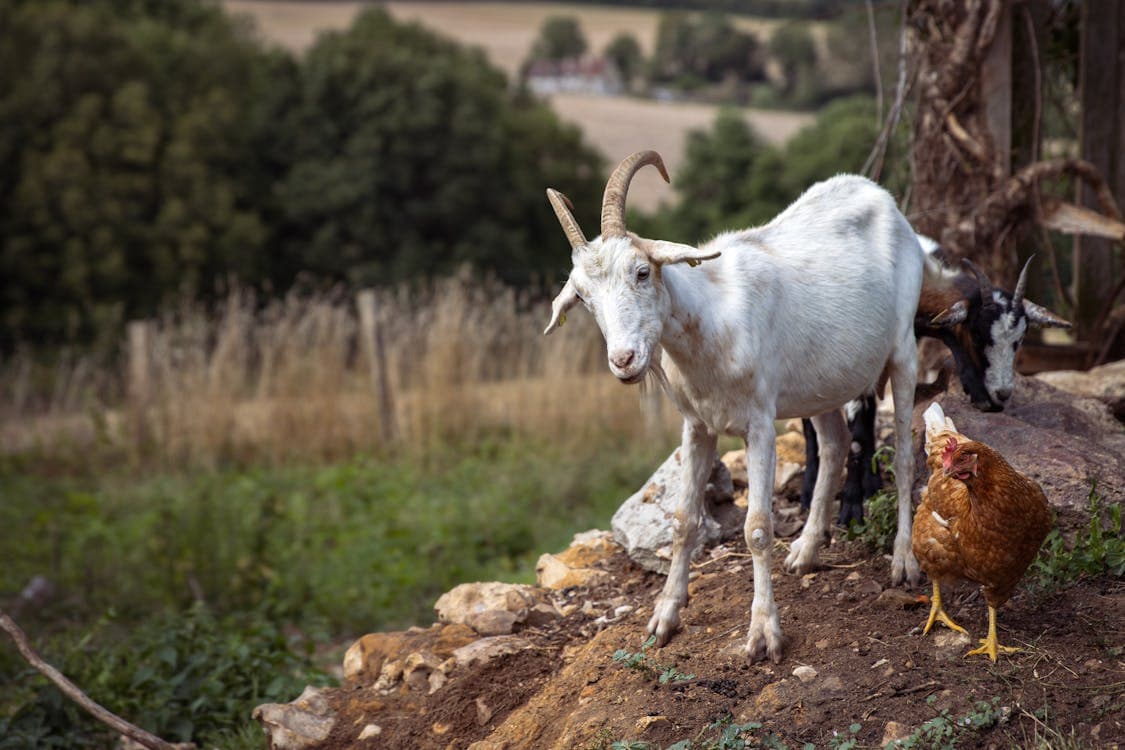
If you have spent any time around small farms, you have probably noticed that goats and chickens are two of the most popular animals to keep. What you might not realize is that raising goats and chickens together on the same farm can be one of the smartest management decisions you make. These two species complement each other in surprising ways, from natural pest control to more efficient use of your land. But co-housing different animals is not without its challenges. In this guide, we will walk through everything you need to know to make multi-species farming work, including housing setups, feeding strategies, health precautions, and the situations where keeping them apart is the better choice.
Benefits of Raising Goats and Chickens Together
Before diving into the logistics, it helps to understand why so many small farmers choose to run goats and chickens side by side. The advantages go well beyond convenience.
- Natural parasite control. Chickens scratch through goat droppings and consume fly larvae, worm eggs, and other parasites before they can reinfect your herd. This breaks the parasite life cycle in the pasture, reducing the need for chemical dewormers. For a deeper look at what to watch for in your herd, see our guide on how to identify goat parasites.
- Pest management. Chickens are voracious insect eaters. Ticks, flies, beetles, and grasshoppers all end up on the menu. Letting chickens forage around your goat areas dramatically cuts down on the pest population that would otherwise bother your goats.
- Space efficiency. Goats are browsers that prefer shrubs, bark, and broadleaf weeds. Chickens scratch for seeds, insects, and low-growing greens. Because they target different food sources, the two species can share the same acreage without competing for resources. Pairing them with a good pasture rotation plan makes the land work even harder.
- Improved pasture health. Chicken manure is high in nitrogen, while goat manure adds organic matter and potassium. Together, they create a more balanced fertilization of your fields than either species would alone.
- Predator awareness. Goats are larger and more alert to ground predators, while chickens tend to spot aerial threats first. Keeping them in the same area creates a broader early-warning system.
Housing Considerations
Getting the housing right is the single most important factor in a successful multi-species setup. Both animals need protection from weather and predators, but their requirements differ in key ways.
Shared vs Separate Shelters
Many farmers start by letting chickens roost inside the goat barn, and in some cases this works fine. However, separate shelters with shared outdoor space is almost always the better long-term approach. Here is why:
- Chickens roosting above goats will drop manure into hay feeders, water buckets, and onto the goats themselves. This creates hygiene problems fast.
- Goats can accidentally injure chickens in close quarters, especially during feeding time when they get pushy.
- Chickens need a secure, enclosed coop at night to protect against raccoons, weasels, and other small predators that would not threaten a goat.
A practical layout is to build your goat barn and chicken coop within the same fenced area, allowing the animals to share pasture and yard space during the day. If you are planning a new structure, our article on how to build goat barn covers the design fundamentals you will need.
Space Requirements
Adequate space prevents stress, aggression, and the rapid spread of disease. Plan for the following minimums:
- Goats: 15 to 20 square feet of indoor shelter per goat, plus at least 200 square feet of outdoor space per goat.
- Chickens: 4 square feet of indoor coop space per bird, plus 8 to 10 square feet of outdoor run per bird.
- Shared pasture: If you are free-ranging both species together, aim for at least a quarter acre per five goats and a dozen chickens.
When space is tight, behavioral problems increase. Goats may butt chickens away from shared areas, and chickens may become stressed and stop laying. Always err on the side of more room rather than less.
Feeding Goats and Chickens Together
Feeding is where multi-species farming requires the most daily attention. Goats and chickens have very different nutritional needs, and cross-contamination of feed is a genuine health risk.
- Use separate feeders placed in different areas. Goat feeders should be raised off the ground or placed inside the goat shelter where chickens cannot easily access them. Chicken feeders should be inside the coop or in a space too small for goats to enter.
- Never let chickens eat goat feed. Goat feed, especially medicated formulations containing monensin or lasalocid, can be lethal to chickens even in small amounts. A single handful of medicated goat feed can kill a hen.
- Never let goats eat chicken feed. Layer feed contains calcium levels that are far too high for goats and can cause urinary calculi, particularly in bucks and wethers. Chicken scratch grains are also too low in the copper that goats need.
- Hay management matters. Goats are notoriously picky and will refuse hay that has been walked on or soiled. Chickens love to scratch through hay piles looking for seeds. Use hay racks or elevated feeders to keep your goat hay clean and off the ground.
For a complete breakdown of what your goats should be eating, check out our feeding goats guide. Getting the diet right for each species is non-negotiable when they share the same farm.
Health Concerns to Watch For
While the parasite-control benefits are real, housing two species together also introduces some health risks you need to manage proactively.
- Coccidiosis. Both goats and chickens are susceptible to coccidiosis, but they are affected by different species of coccidia. The organisms are generally host-specific, meaning goat coccidia will not infect chickens and vice versa. However, the shared environment can make it harder to keep things clean, and damp, manure-heavy areas become breeding grounds for both types.
- Cryptosporidiosis. Unlike coccidia, some Cryptosporidium species can cross between mammals and birds. Practice good sanitation and keep water sources clean to minimize this risk.
- Medicated feed dangers. As mentioned above, ionophore antibiotics like monensin, commonly added to goat and cattle feeds, are extremely toxic to poultry. If you use medicated feed for your goats, you must store it securely and ensure chickens have zero access.
- Shared parasites. External parasites like mites and lice can sometimes move between species. While most are host-specific, a heavy infestation in one group warrants checking the other. Our article on common goat diseases covers the major illnesses and parasitic conditions to keep on your radar.
- Salmonella. Chickens can carry Salmonella without showing symptoms. While goats are not highly susceptible, the bacteria can contaminate shared water sources and pose a risk to humans handling the animals.
A good rule of thumb is to keep the shared environment as dry and clean as possible. Standing water, wet bedding, and accumulated manure are the common thread in nearly every cross-species health problem.
Managing Different Behaviors
Goats and chickens generally get along well, but their behavioral differences can create friction if you are not prepared.
- Goats are curious and pushy. They will investigate chicken coops, knock over feeders, and chew on anything they can reach. Goat-proof your chicken area with latches and barriers that goats cannot open or push through. Building a goat playground gives them an outlet for that curiosity and energy, which helps reduce mischief.
- Chickens are persistent foragers. They will find their way into goat feed bins, hay storage, and mineral stations if given the chance. Use covered mineral feeders and secure your feed room.
- Roosters and bucks can both be territorial. An aggressive rooster may harass goat kids, and a dominant buck may chase chickens during rut. Monitor introductions carefully and separate animals that show persistent aggression.
- Broody hens may nest in goat shelters. This is usually harmless, but a goat stepping on a ground-level nest will crush eggs or chicks. Provide elevated nesting boxes inside the chicken coop to avoid this.
When introducing the two species for the first time, do it gradually. Let them see and smell each other through a fence for a few days before allowing shared access. Most animals adjust within a week or two.
Setting Up Your Multi-Species Farm
If you are starting from scratch or converting a single-species operation, here is a step-by-step approach:
- Design your layout. Place the goat barn and chicken coop within the same fenced perimeter but as separate structures. A shared yard or pasture between them gives both species room to interact during the day.
- Install proper fencing. Goat fencing needs to be at least four feet tall, sturdy, and free of gaps. Adding hardware cloth along the bottom 18 inches keeps small predators from getting to your chickens at night.
- Set up species-specific feeding stations. Place goat hay racks and grain feeders inside the goat shelter. Put chicken feeders and waterers inside the coop. Consider using pop doors on the chicken coop that are too small for goats to enter.
- Provide separate water sources. Goats will foul a ground-level waterer quickly, and chickens standing in water dishes spread bacteria. Use bucket-style waterers for goats hung at chest height and nipple waterers or small founts for chickens.
- Create a cleaning schedule. Shared spaces need more frequent mucking than single-species setups. Plan to clean high-traffic areas at least twice a week and do a deep bedding change monthly.
- Establish a health monitoring routine. Check both species daily for signs of illness, parasites, or injury. Keep separate health records for your herd and your flock.
When Goats and Chickens Shouldn't Be Together
Multi-species farming is not the right choice for every situation. Consider keeping your goats and chickens completely separate if:
- You are using medicated goat feed and cannot guarantee that chickens will never access it. The risk of ionophore toxicity is too high.
- Your space is very limited. If you barely have enough room for one species, adding another will create stress, aggression, and sanitation problems.
- You have immunocompromised animals. Sick goats, newborn kids, or chicks under six weeks old should be kept in biosecure environments away from other species.
- You are dealing with an active disease outbreak. If either your herd or flock is fighting an infection, isolate the affected group completely until the issue is resolved.
- Your goats are aggressive toward smaller animals. Some individual goats, particularly horned goats or dominant does, will injure or kill chickens. If you see this behavior, it is unlikely to improve.
Being honest about your specific situation saves animals from unnecessary suffering and saves you from costly veterinary bills.
The bottom line is this: goats and chickens can thrive together when you respect the needs of each species. Give them adequate space, separate their feed, keep things clean, and monitor their health. Done right, a multi-species farm is more productive, more resilient, and frankly more enjoyable to manage than keeping either animal alone. Start small, pay attention to how your animals interact, and adjust your setup as you learn what works on your particular piece of land.

About Elma K. Johnson
Expert farmers and veterinarians with over 20 years of experience in goat farming and animal husbandry.
Related Articles
Goat Housing Requirements: Essential Features Every Barn Needs
A practical checklist of goat housing requirements: dry draft-free shelter, space, ventilation, feeders, water, fencing, and predator protection. Plan it right.